Robotic · Robotic
Robotic Stability: Ensuring Balance and Control
Robotic stability is a critical aspect of modern robotics, influencing the performance and reliability of robotic systems across various applications. Stability ensures that robots…

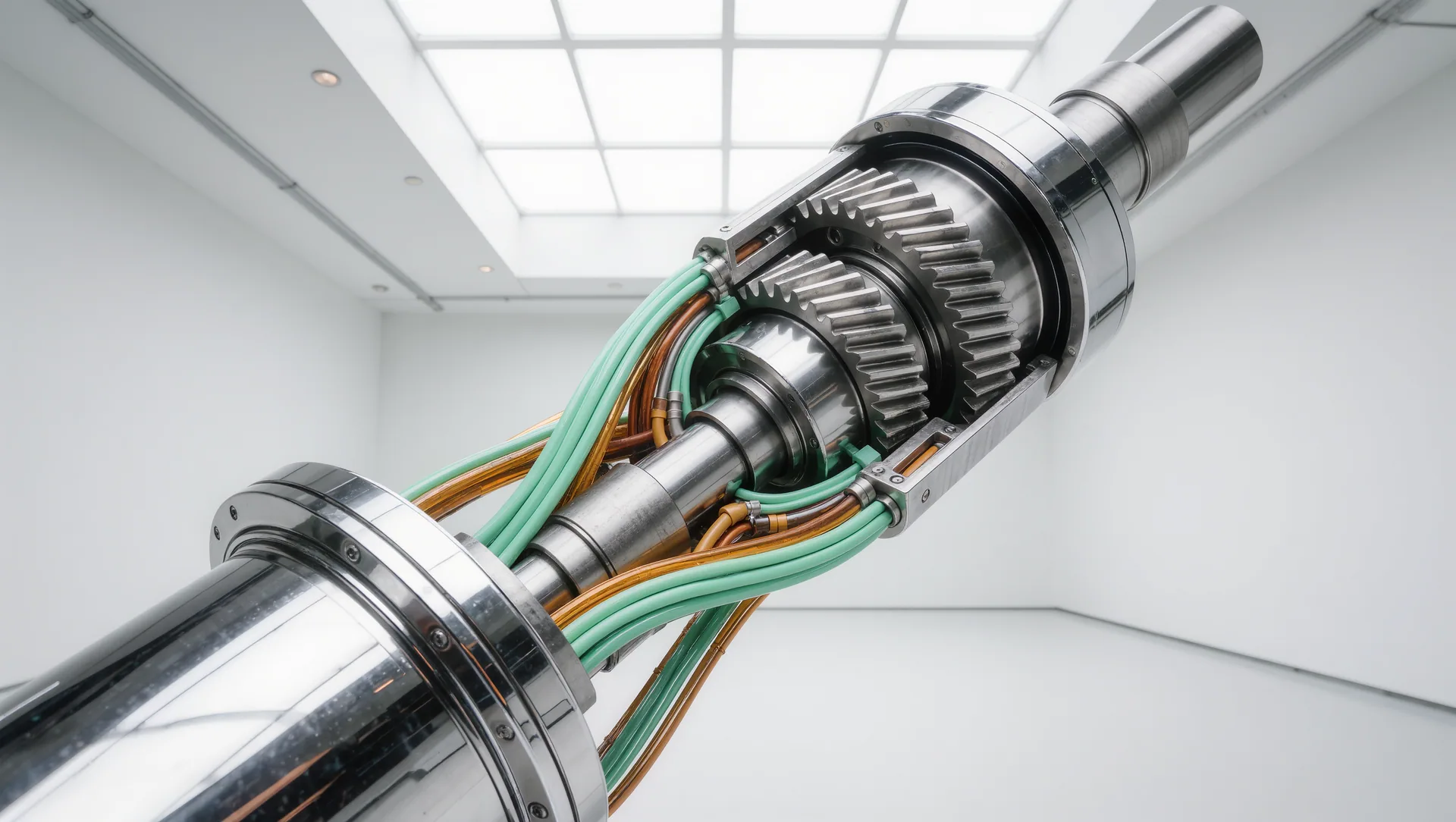
Robotic stability is a critical aspect of modern robotics, influencing the performance and reliability of robotic systems across various applications. A stable robot can maintain its position and orientation, which is essential for executing tasks accurately and safely.
As robotics technology continues to evolve, the importance of stability becomes even more pronounced, as robots are increasingly integrated into everyday life and complex industrial settings. The significance of robotic stability extends beyond mere functionality; it also impacts user trust and safety. A stable robot is less likely to tip over or malfunction, which can lead to accidents or damage to both the robot and its surroundings.
In industries such as healthcare, manufacturing, and logistics, ensuring stability can enhance productivity and reduce operational risks. As robots take on more responsibilities, from autonomous vehicles to collaborative robots (cobots), the need for robust stability mechanisms becomes paramount.
To grasp the concept of robotic stability, one must first understand the principles of balance and control. Balance in robotics refers to the ability of a robot to maintain its center of mass over its base of support. This involves a delicate interplay between gravitational forces, inertia, and the robot's design.
Control systems play a vital role in achieving balance by continuously adjusting the robot's movements based on real-time feedback from sensors and actuators. Control algorithms, such as PID (Proportional-Integral-Derivative) controllers, are commonly employed to maintain stability. These algorithms process data from sensors to make rapid adjustments to the robot's position and orientation. This adaptability is crucial for robots operating in unpredictable environments, where external factors can significantly impact their stability.
Achieving stability in robotic systems presents several challenges that engineers must address. One major challenge is the dynamic nature of many environments where robots operate. Factors such as uneven surfaces, varying loads, and unexpected obstacles can disrupt a robot's balance.
Additionally, the complexity of human-robot interactions adds another layer of difficulty, as robots must respond to human movements and actions while maintaining their own stability. Another challenge lies in the design of the robot itself. The choice of materials, weight distribution, and overall geometry can significantly affect a robot's stability.
For instance, a top-heavy robot may be prone to tipping over, while a well-balanced design can enhance stability. Engineers must carefully consider these factors during the design phase to ensure that the robot can withstand various operational conditions without compromising its performance.
Several key components contribute to ensuring stability in robotic systems. First and foremost is the robot's mechanical design. A low center of gravity and a wide base can enhance stability by providing a larger area for support.
Additionally, using lightweight materials can help reduce the overall weight of the robot while maintaining structural integrity. Actuators and motors also play a crucial role in stability. High-precision actuators enable robots to make quick adjustments to their position and orientation, which is essential for maintaining balance.
Furthermore, advanced control systems that integrate machine learning algorithms can improve a robot's ability to predict and respond to changes in its environment, thereby enhancing stability.
Sensors are integral to maintaining balance and control in robotic systems. They provide real-time data about the robot's position, orientation, and external conditions. Common sensors used in robotics include accelerometers, gyroscopes, and force sensors.
These devices work together to monitor the robot's movements and detect any deviations from its intended path. For example, accelerometers measure changes in velocity and direction, while gyroscopes provide information about rotational movement. Force sensors can detect changes in weight distribution or external forces acting on the robot.
By processing this data through sophisticated algorithms, robots can make rapid adjustments to maintain their balance and stability, even in challenging environments.
Improving robotic stability involves implementing various strategies that address both design and operational aspects. One effective strategy is to optimize the robot's center of mass by carefully distributing weight throughout its structure. This can be achieved through thoughtful design choices, such as placing heavier components closer to the base.
Another strategy is to enhance the control algorithms used for balance maintenance. By incorporating advanced techniques such as adaptive control or reinforcement learning, robots can learn from their experiences and improve their stability over time. Additionally, simulating different scenarios during the design phase can help engineers identify potential stability issues before deployment.
The environment plays a significant role in determining a robot's stability. Factors such as terrain type, surface friction, and obstacles can all influence how well a robot maintains its balance. For instance, a robot designed for smooth indoor surfaces may struggle on uneven outdoor terrain due to variations in traction and support.
Moreover, environmental conditions such as wind or vibrations can also affect stability. Robots operating outdoors must be equipped with robust stabilization mechanisms to counteract these external forces. Understanding the specific environmental challenges that a robot will face is crucial for designing effective stability solutions tailored to those conditions.
Recent advancements in robotic stability technology have led to significant improvements in how robots maintain balance and control. Innovations such as soft robotics have introduced flexible materials that allow robots to adapt their shape and posture dynamically. This adaptability enhances stability by enabling robots to conform to their surroundings.
Additionally, advancements in sensor technology have improved the accuracy and responsiveness of balance maintenance systems. High-resolution sensors provide more precise data about a robot's movements, allowing for quicker adjustments. Furthermore, developments in artificial intelligence have enabled robots to learn from their experiences, leading to more effective stability strategies over time.
Several case studies highlight successful implementations of robotic stability solutions across various industries. In healthcare, surgical robots have demonstrated remarkable stability during complex procedures, thanks to advanced control systems that allow for precise movements without compromising patient safety. In manufacturing, collaborative robots (cobots) have been designed with enhanced stability features that enable them to work alongside human operators safely.
These cobots utilize real-time feedback from sensors to adjust their movements dynamically, ensuring they remain stable even when interacting with humans or navigating around obstacles.
The future of robotic stability is poised for exciting developments as technology continues to advance. Emerging trends include the integration of machine learning algorithms that enable robots to adapt their stability strategies based on real-time data analysis. This adaptability will allow robots to perform effectively in increasingly complex environments.
Moreover, advancements in materials science may lead to the development of new lightweight yet strong materials that enhance robotic stability without adding unnecessary weight. As robotics continues to evolve, we can expect innovative solutions that push the boundaries of what is possible in maintaining balance and control.
To ensure effective robotic stability systems, engineers should adhere to several best practices during the design and implementation phases. First, conducting thorough testing under various conditions is essential for identifying potential stability issues early on. This includes simulating different terrains and environmental factors that the robot may encounter.
Second, incorporating redundancy into sensor systems can enhance reliability by providing backup data sources if one sensor fails or provides inaccurate readings. Finally, continuous monitoring and updating of control algorithms based on real-world performance data will help improve stability over time. In conclusion, robotic stability is a multifaceted challenge that requires careful consideration of design principles, environmental factors, and technological advancements.
By understanding these elements and implementing best practices, engineers can create robust robotic systems capable of maintaining balance and control across diverse applications. As we look toward the future, ongoing innovations will undoubtedly shape the landscape of robotic stability, paving the way for safer and more efficient robotic solutions across industries.
As robotics technology continues to evolve, the importance of stability becomes even more pronounced, as robots are increasingly integrated into everyday life and complex industrial settings. The significance of robotic stability extends beyond mere functionality; it also impacts user trust and safety. A stable robot is less likely to tip over or malfunction, which can lead to accidents or damage to both the robot and its surroundings.
In industries such as healthcare, manufacturing, and logistics, ensuring stability can enhance productivity and reduce operational risks. As robots take on more responsibilities, from autonomous vehicles to collaborative robots (cobots), the need for robust stability mechanisms becomes paramount.
Key Takeaways
- Robotic stability is crucial for effective balance, control, and overall system performance.
- Achieving stability involves overcoming challenges related to dynamic environments and complex control mechanisms.
- Sensors play a vital role in detecting and maintaining balance in robotic systems.
- Advances in technology and innovative strategies are continuously improving robotic stability.
- Understanding environmental impacts and applying best design practices are key to successful stability implementation.
Understanding the Principles of Balance and Control in Robotics
To grasp the concept of robotic stability, one must first understand the principles of balance and control. Balance in robotics refers to the ability of a robot to maintain its center of mass over its base of support. This involves a delicate interplay between gravitational forces, inertia, and the robot's design.
Control systems play a vital role in achieving balance by continuously adjusting the robot's movements based on real-time feedback from sensors and actuators. Control algorithms, such as PID (Proportional-Integral-Derivative) controllers, are commonly employed to maintain stability. These algorithms process data from sensors to make rapid adjustments to the robot's position and orientation. This adaptability is crucial for robots operating in unpredictable environments, where external factors can significantly impact their stability.
Challenges in Achieving Stability in Robotic Systems
Achieving stability in robotic systems presents several challenges that engineers must address. One major challenge is the dynamic nature of many environments where robots operate. Factors such as uneven surfaces, varying loads, and unexpected obstacles can disrupt a robot's balance.
Additionally, the complexity of human-robot interactions adds another layer of difficulty, as robots must respond to human movements and actions while maintaining their own stability. Another challenge lies in the design of the robot itself. The choice of materials, weight distribution, and overall geometry can significantly affect a robot's stability.
For instance, a top-heavy robot may be prone to tipping over, while a well-balanced design can enhance stability. Engineers must carefully consider these factors during the design phase to ensure that the robot can withstand various operational conditions without compromising its performance.
Key Components for Ensuring Stability in Robotic Systems
Several key components contribute to ensuring stability in robotic systems. First and foremost is the robot's mechanical design. A low center of gravity and a wide base can enhance stability by providing a larger area for support.
Additionally, using lightweight materials can help reduce the overall weight of the robot while maintaining structural integrity. Actuators and motors also play a crucial role in stability. High-precision actuators enable robots to make quick adjustments to their position and orientation, which is essential for maintaining balance.
Furthermore, advanced control systems that integrate machine learning algorithms can improve a robot's ability to predict and respond to changes in its environment, thereby enhancing stability.
The Role of Sensors in Maintaining Balance and Control
Sensors are integral to maintaining balance and control in robotic systems. They provide real-time data about the robot's position, orientation, and external conditions. Common sensors used in robotics include accelerometers, gyroscopes, and force sensors.
These devices work together to monitor the robot's movements and detect any deviations from its intended path. For example, accelerometers measure changes in velocity and direction, while gyroscopes provide information about rotational movement. Force sensors can detect changes in weight distribution or external forces acting on the robot.
By processing this data through sophisticated algorithms, robots can make rapid adjustments to maintain their balance and stability, even in challenging environments.
Strategies for Improving Robotic Stability
Improving robotic stability involves implementing various strategies that address both design and operational aspects. One effective strategy is to optimize the robot's center of mass by carefully distributing weight throughout its structure. This can be achieved through thoughtful design choices, such as placing heavier components closer to the base.
Another strategy is to enhance the control algorithms used for balance maintenance. By incorporating advanced techniques such as adaptive control or reinforcement learning, robots can learn from their experiences and improve their stability over time. Additionally, simulating different scenarios during the design phase can help engineers identify potential stability issues before deployment.
The Impact of Environment on Robotic Stability
The environment plays a significant role in determining a robot's stability. Factors such as terrain type, surface friction, and obstacles can all influence how well a robot maintains its balance. For instance, a robot designed for smooth indoor surfaces may struggle on uneven outdoor terrain due to variations in traction and support.
Moreover, environmental conditions such as wind or vibrations can also affect stability. Robots operating outdoors must be equipped with robust stabilization mechanisms to counteract these external forces. Understanding the specific environmental challenges that a robot will face is crucial for designing effective stability solutions tailored to those conditions.
Advancements in Robotic Stability Technology
Recent advancements in robotic stability technology have led to significant improvements in how robots maintain balance and control. Innovations such as soft robotics have introduced flexible materials that allow robots to adapt their shape and posture dynamically. This adaptability enhances stability by enabling robots to conform to their surroundings.
Additionally, advancements in sensor technology have improved the accuracy and responsiveness of balance maintenance systems. High-resolution sensors provide more precise data about a robot's movements, allowing for quicker adjustments. Furthermore, developments in artificial intelligence have enabled robots to learn from their experiences, leading to more effective stability strategies over time.
Case Studies of Successful Robotic Stability Implementation
Several case studies highlight successful implementations of robotic stability solutions across various industries. In healthcare, surgical robots have demonstrated remarkable stability during complex procedures, thanks to advanced control systems that allow for precise movements without compromising patient safety. In manufacturing, collaborative robots (cobots) have been designed with enhanced stability features that enable them to work alongside human operators safely.
These cobots utilize real-time feedback from sensors to adjust their movements dynamically, ensuring they remain stable even when interacting with humans or navigating around obstacles.
The Future of Robotic Stability: Emerging Trends and Innovations
The future of robotic stability is poised for exciting developments as technology continues to advance. Emerging trends include the integration of machine learning algorithms that enable robots to adapt their stability strategies based on real-time data analysis. This adaptability will allow robots to perform effectively in increasingly complex environments.
Moreover, advancements in materials science may lead to the development of new lightweight yet strong materials that enhance robotic stability without adding unnecessary weight. As robotics continues to evolve, we can expect innovative solutions that push the boundaries of what is possible in maintaining balance and control.
Best Practices for Designing and Implementing Robotic Stability Systems
To ensure effective robotic stability systems, engineers should adhere to several best practices during the design and implementation phases. First, conducting thorough testing under various conditions is essential for identifying potential stability issues early on. This includes simulating different terrains and environmental factors that the robot may encounter.
Second, incorporating redundancy into sensor systems can enhance reliability by providing backup data sources if one sensor fails or provides inaccurate readings. Finally, continuous monitoring and updating of control algorithms based on real-world performance data will help improve stability over time. In conclusion, robotic stability is a multifaceted challenge that requires careful consideration of design principles, environmental factors, and technological advancements.
By understanding these elements and implementing best practices, engineers can create robust robotic systems capable of maintaining balance and control across diverse applications. As we look toward the future, ongoing innovations will undoubtedly shape the landscape of robotic stability, paving the way for safer and more efficient robotic solutions across industries.
FAQs
What is robotic stability?
Robotic stability refers to the ability of a robot to maintain its balance and control during movement or while stationary, ensuring it does not fall or lose its intended posture.Why is stability important in robotics?
Stability is crucial for robots to perform tasks safely and effectively, especially in dynamic environments. It prevents falls, improves precision, and enhances the robot's ability to interact with its surroundings.What factors affect robotic stability?
Factors include the robot's center of gravity, base of support, weight distribution, joint flexibility, sensor feedback, and the control algorithms used to maintain balance.How do robots maintain stability?
Robots use sensors (like gyroscopes and accelerometers), control systems, and mechanical design features to monitor and adjust their posture in real-time, ensuring balance during various activities.What types of robots require advanced stability control?
Humanoid robots, legged robots (such as bipedal or quadrupedal), and mobile robots operating on uneven terrain require advanced stability control to navigate and perform tasks effectively.What role do control algorithms play in robotic stability?
Control algorithms process sensor data to make real-time adjustments to the robot's actuators, helping maintain balance and respond to external disturbances or changes in terrain.Can robotic stability be improved through design?
Yes, design elements such as a low center of gravity, wide base, compliant joints, and appropriate weight distribution can enhance a robot's inherent stability.What is dynamic stability in robotics?
Dynamic stability refers to a robot's ability to maintain balance while in motion, adapting to changes in speed, direction, and external forces.How is robotic stability tested?
Stability is tested through simulations, controlled experiments, and real-world trials where robots perform tasks under various conditions to assess their balance and control capabilities.Are there standard metrics for measuring robotic stability?
Yes, metrics such as the Zero Moment Point (ZMP), Center of Pressure (CoP), and stability margin are commonly used to quantify and analyze robotic stability.More in
More from Robotic
Robotic · 9 min
Robotic Precision: The Future of Automation
Robotic precision refers to the ability of automated systems to perform tasks with extremely high accuracy and repeatability. Modern industrial robots…

Robotic · 8 min
Advancements in Robotic Motion Control
Robotic motion control is a fundamental technology in modern automation systems that enables robots to execute precise movements through sophisticated…

Robotic · 9 min
Efficient Robotic Path Planning for Improved Navigation
Robotic path planning constitutes a fundamental component of robotics engineering that focuses on calculating optimal trajectories for robots to move …