Robotic · Robotic
Robotic Precision: The Future of Automation
Robotic precision refers to the ability of automated systems to perform tasks with extremely high accuracy and repeatability. Modern industrial robots utilize sophisticated control…

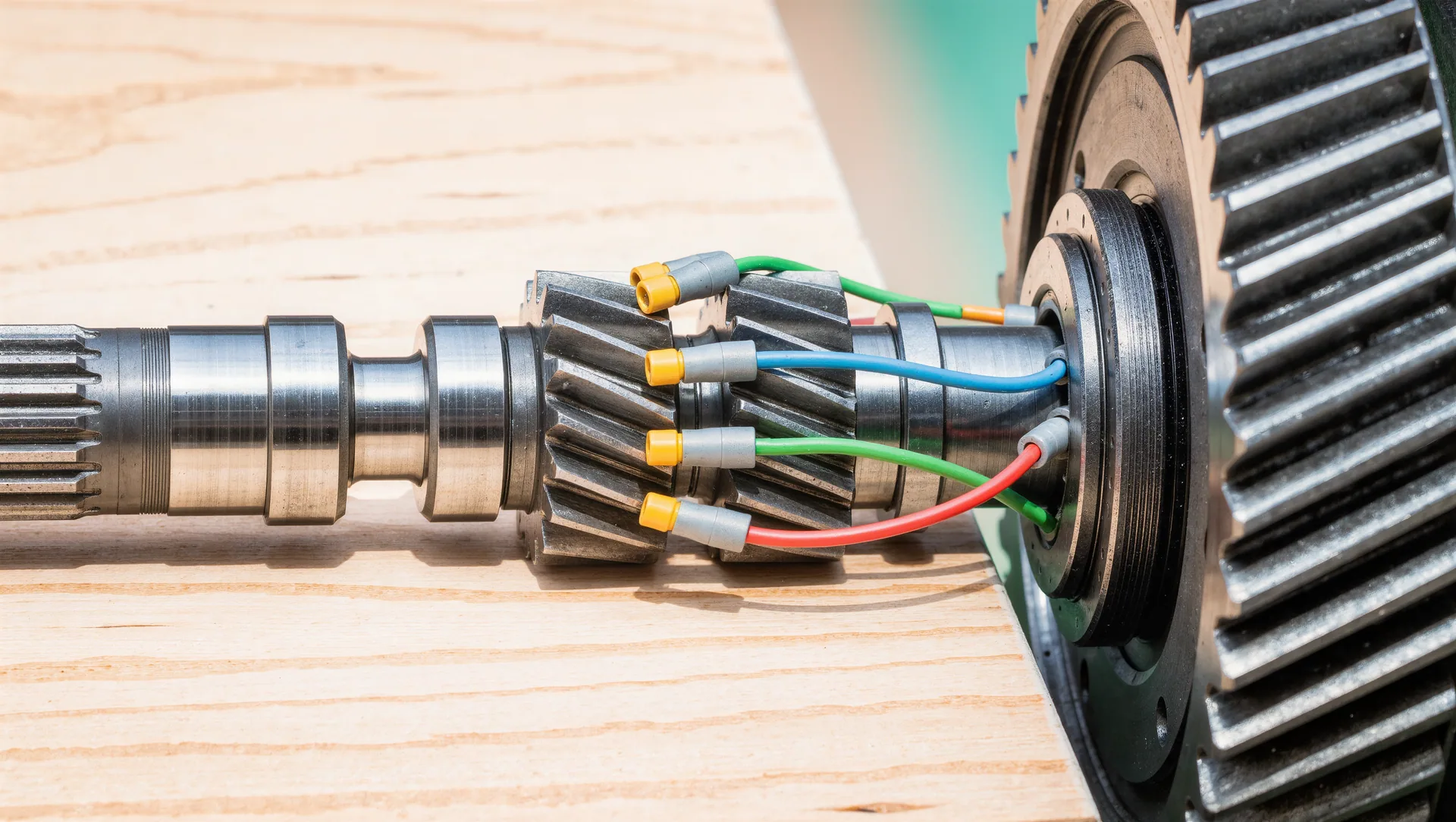
Robotic precision refers to the ability of automated systems to perform tasks with extremely high accuracy and repeatability. Modern industrial robots utilize sophisticated control algorithms, advanced sensor technologies, and precision mechanical components to achieve positioning accuracies typically measured in micrometers. These systems can maintain consistent performance over extended periods, executing repetitive tasks with minimal variation compared to manual operations.
Industries implementing robotic precision systems report measurable improvements in production quality and operational efficiency. Manufacturing sectors such as automotive, electronics, and pharmaceuticals have documented reductions in defect rates, decreased material waste, and increased throughput. The technology enables consistent execution of complex assembly processes, precise material handling, and accurate quality inspection procedures that would be challenging or impossible to achieve through manual methods.
The technical capabilities of precision robotics have expanded the scope of automated manufacturing applications. Multi-axis robotic systems can now perform intricate machining operations, delicate component assembly, and complex welding procedures with tolerances previously achievable only through specialized manual techniques. This technological advancement has enabled the production of increasingly sophisticated products while maintaining cost-effectiveness and scalability in manufacturing processes.
Robotics plays a pivotal role in automation by providing the tools necessary to enhance productivity across various sectors. From manufacturing to healthcare, robots are increasingly being utilized to perform repetitive tasks, allowing human workers to focus on more strategic activities. This shift not only improves efficiency but also reduces the likelihood of human error, which can lead to costly mistakes.
Moreover, robotics in automation enables real-time data collection and analysis. Robots equipped with sensors can monitor their environment and adjust their actions accordingly, leading to smarter decision-making processes. This adaptability is crucial in dynamic environments where conditions can change rapidly.
As industries continue to embrace automation, the role of robotics will only grow, driving further advancements in technology and operational practices.
The advantages of robotic precision in manufacturing are manifold. First and foremost, it significantly enhances product quality. Robots can perform tasks with a level of consistency that is difficult for humans to match, ensuring that each product meets stringent quality standards.
This reliability not only boosts customer satisfaction but also reduces the costs associated with defects and rework. Additionally, robotic precision leads to increased production speed. Robots can operate continuously without fatigue, allowing for higher output rates compared to traditional labor.
This capability is particularly beneficial in high-demand environments where meeting production targets is critical. Furthermore, the integration of robotic systems can lead to reduced operational costs over time, as businesses can optimize their workforce and minimize waste.
Robotic precision finds applications across a wide range of industries, each benefiting from its unique capabilities. In the automotive sector, robots are used for tasks such as welding, painting, and assembly, ensuring high levels of accuracy and efficiency. This not only speeds up production but also enhances safety by reducing the risk of accidents associated with manual labor.
In healthcare, robotic precision is transforming surgical procedures. Surgical robots allow for minimally invasive operations with enhanced precision, leading to quicker recovery times for patients. Additionally, robots are being utilized in pharmaceuticals for tasks like packaging and quality control, ensuring that products meet regulatory standards.
The food industry also leverages robotic precision for tasks such as sorting, packaging, and even cooking. Robots can handle delicate items with care while maintaining high hygiene standards. These applications illustrate the versatility of robotic precision across diverse sectors.
Despite its numerous advantages, robotic precision is not without challenges and limitations. One significant hurdle is the initial investment required for implementing robotic systems. The cost of purchasing and integrating advanced robotics can be prohibitive for smaller businesses, potentially widening the gap between large corporations and smaller enterprises. As technology evolves rapidly, there is a growing demand for workers who possess the necessary skills to manage robotic systems effectively. This skills gap can hinder the widespread adoption of robotic precision in certain industries.
Moreover, while robots excel at repetitive tasks, they may struggle with complex decision-making or tasks requiring human intuition. This limitation underscores the importance of finding a balance between human workers and robotic systems to maximize efficiency while maintaining flexibility.
The future of robotic precision is bright, driven by emerging technologies that promise to enhance capabilities further. One such technology is artificial intelligence (AI), which enables robots to learn from their experiences and adapt their behaviors accordingly. This advancement could lead to more autonomous systems capable of handling complex tasks without constant human oversight.
Another promising development is the integration of collaborative robots (cobots) into workplaces. Unlike traditional industrial robots that operate independently, cobots are designed to work alongside human workers safely. This collaboration allows for greater flexibility in production processes and can lead to improved efficiency.
Additionally, advancements in materials science are paving the way for lighter and more agile robotic systems. These innovations will enable robots to perform tasks in environments previously deemed unsuitable for automation, expanding the scope of robotic precision applications.
The impact of robotic precision on the workforce is a topic of considerable debate. On one hand, automation can lead to job displacement as robots take over tasks traditionally performed by humans. This shift raises concerns about unemployment and the need for retraining programs to help workers transition into new roles.
On the other hand, robotic precision can create new job opportunities in areas such as robotics maintenance, programming, and system design. As industries adopt more advanced technologies, there will be a growing demand for skilled workers who can manage these systems effectively. This evolution highlights the importance of education and training programs that equip individuals with the skills needed for the future workforce.
Ultimately, the integration of robotic precision into workplaces should be viewed as an opportunity for growth rather than a threat. By embracing these technologies, businesses can enhance productivity while creating new avenues for employment.
As robotic precision continues to advance, ethical considerations become increasingly important. One major concern is the potential for bias in algorithms used by robots. If not carefully designed, these algorithms could perpetuate existing inequalities or make decisions that adversely affect certain groups. In cases where robots malfunction or cause harm, determining liability can be complex. Establishing clear guidelines and regulations surrounding robotic operations is essential to address these concerns effectively.
Furthermore, there are implications related to privacy and data security as robots collect vast amounts of data during their operations. Ensuring that this data is handled responsibly and ethically is crucial in maintaining public trust in robotic technologies.
Implementing robotic precision requires careful planning and execution to maximize its benefits. One best practice is conducting a thorough assessment of existing processes to identify areas where automation can add value. This analysis should consider factors such as production volume, complexity of tasks, and potential return on investment.
Collaboration between stakeholders is also vital during implementation. Engaging employees early in the process can help address concerns and foster a culture of acceptance towards new technologies. Providing training programs ensures that workers are equipped with the necessary skills to operate and maintain robotic systems effectively.
Additionally, continuous monitoring and evaluation are essential post-implementation. Regularly assessing performance metrics allows businesses to identify areas for improvement and make necessary adjustments to optimize operations further.
Numerous case studies illustrate the successful implementation of robotic precision across various industries. For instance, a leading automotive manufacturer integrated robotic welding systems into its production line, resulting in a 30% increase in output while maintaining high-quality standards. This transformation not only improved efficiency but also reduced labor costs significantly.
In healthcare, a hospital adopted surgical robots for minimally invasive procedures, leading to shorter recovery times for patients and reduced hospital stays. The implementation not only enhanced patient outcomes but also allowed surgeons to perform more complex surgeries with greater confidence. These examples highlight how businesses can leverage robotic precision to drive innovation and improve operational efficiency across diverse sectors.
In conclusion, robotic precision holds immense potential in shaping the future of automation across various industries. Its ability to enhance efficiency, improve product quality, and drive innovation makes it an invaluable asset for businesses seeking competitive advantages in an increasingly automated world. While challenges exist, such as initial investment costs and workforce implications, the benefits far outweigh these hurdles when implemented thoughtfully.
As technology continues to evolve, embracing robotic precision will be crucial for organizations aiming to thrive in a rapidly changing landscape. By investing in training programs and fostering collaboration between humans and machines, businesses can harness the full potential of this transformative technology while ensuring ethical considerations are addressed. The future is bright for robotic precision; it promises not only enhanced productivity but also new opportunities for growth and innovation across industries worldwide.
Embracing this technology today will pave the way for a more efficient and prosperous tomorrow.
Industries implementing robotic precision systems report measurable improvements in production quality and operational efficiency. Manufacturing sectors such as automotive, electronics, and pharmaceuticals have documented reductions in defect rates, decreased material waste, and increased throughput. The technology enables consistent execution of complex assembly processes, precise material handling, and accurate quality inspection procedures that would be challenging or impossible to achieve through manual methods.
The technical capabilities of precision robotics have expanded the scope of automated manufacturing applications. Multi-axis robotic systems can now perform intricate machining operations, delicate component assembly, and complex welding procedures with tolerances previously achievable only through specialized manual techniques. This technological advancement has enabled the production of increasingly sophisticated products while maintaining cost-effectiveness and scalability in manufacturing processes.
Key Takeaways
- Robotic precision enhances automation by improving accuracy and efficiency in manufacturing and other industries.
- It offers significant advantages such as reduced errors, increased productivity, and consistent quality.
- Various sectors, including automotive, healthcare, and electronics, benefit from precise robotic applications.
- Challenges include technical limitations, high costs, and ethical concerns related to workforce impact.
- Emerging technologies and best practices are shaping the future, enabling successful implementation and broader adoption.
The Role of Robotics in Automation
Robotics plays a pivotal role in automation by providing the tools necessary to enhance productivity across various sectors. From manufacturing to healthcare, robots are increasingly being utilized to perform repetitive tasks, allowing human workers to focus on more strategic activities. This shift not only improves efficiency but also reduces the likelihood of human error, which can lead to costly mistakes.
Moreover, robotics in automation enables real-time data collection and analysis. Robots equipped with sensors can monitor their environment and adjust their actions accordingly, leading to smarter decision-making processes. This adaptability is crucial in dynamic environments where conditions can change rapidly.
As industries continue to embrace automation, the role of robotics will only grow, driving further advancements in technology and operational practices.
Advantages of Robotic Precision in Manufacturing
The advantages of robotic precision in manufacturing are manifold. First and foremost, it significantly enhances product quality. Robots can perform tasks with a level of consistency that is difficult for humans to match, ensuring that each product meets stringent quality standards.
This reliability not only boosts customer satisfaction but also reduces the costs associated with defects and rework. Additionally, robotic precision leads to increased production speed. Robots can operate continuously without fatigue, allowing for higher output rates compared to traditional labor.
This capability is particularly beneficial in high-demand environments where meeting production targets is critical. Furthermore, the integration of robotic systems can lead to reduced operational costs over time, as businesses can optimize their workforce and minimize waste.
Applications of Robotic Precision in Various Industries
Robotic precision finds applications across a wide range of industries, each benefiting from its unique capabilities. In the automotive sector, robots are used for tasks such as welding, painting, and assembly, ensuring high levels of accuracy and efficiency. This not only speeds up production but also enhances safety by reducing the risk of accidents associated with manual labor.
In healthcare, robotic precision is transforming surgical procedures. Surgical robots allow for minimally invasive operations with enhanced precision, leading to quicker recovery times for patients. Additionally, robots are being utilized in pharmaceuticals for tasks like packaging and quality control, ensuring that products meet regulatory standards.
The food industry also leverages robotic precision for tasks such as sorting, packaging, and even cooking. Robots can handle delicate items with care while maintaining high hygiene standards. These applications illustrate the versatility of robotic precision across diverse sectors.
Challenges and Limitations of Robotic Precision
Despite its numerous advantages, robotic precision is not without challenges and limitations. One significant hurdle is the initial investment required for implementing robotic systems. The cost of purchasing and integrating advanced robotics can be prohibitive for smaller businesses, potentially widening the gap between large corporations and smaller enterprises. As technology evolves rapidly, there is a growing demand for workers who possess the necessary skills to manage robotic systems effectively. This skills gap can hinder the widespread adoption of robotic precision in certain industries.
Moreover, while robots excel at repetitive tasks, they may struggle with complex decision-making or tasks requiring human intuition. This limitation underscores the importance of finding a balance between human workers and robotic systems to maximize efficiency while maintaining flexibility.
The Future of Robotic Precision: Emerging Technologies
The future of robotic precision is bright, driven by emerging technologies that promise to enhance capabilities further. One such technology is artificial intelligence (AI), which enables robots to learn from their experiences and adapt their behaviors accordingly. This advancement could lead to more autonomous systems capable of handling complex tasks without constant human oversight.
Another promising development is the integration of collaborative robots (cobots) into workplaces. Unlike traditional industrial robots that operate independently, cobots are designed to work alongside human workers safely. This collaboration allows for greater flexibility in production processes and can lead to improved efficiency.
Additionally, advancements in materials science are paving the way for lighter and more agile robotic systems. These innovations will enable robots to perform tasks in environments previously deemed unsuitable for automation, expanding the scope of robotic precision applications.
Impact of Robotic Precision on the Workforce
The impact of robotic precision on the workforce is a topic of considerable debate. On one hand, automation can lead to job displacement as robots take over tasks traditionally performed by humans. This shift raises concerns about unemployment and the need for retraining programs to help workers transition into new roles.
On the other hand, robotic precision can create new job opportunities in areas such as robotics maintenance, programming, and system design. As industries adopt more advanced technologies, there will be a growing demand for skilled workers who can manage these systems effectively. This evolution highlights the importance of education and training programs that equip individuals with the skills needed for the future workforce.
Ultimately, the integration of robotic precision into workplaces should be viewed as an opportunity for growth rather than a threat. By embracing these technologies, businesses can enhance productivity while creating new avenues for employment.
Ethical Considerations in Robotic Precision
As robotic precision continues to advance, ethical considerations become increasingly important. One major concern is the potential for bias in algorithms used by robots. If not carefully designed, these algorithms could perpetuate existing inequalities or make decisions that adversely affect certain groups. In cases where robots malfunction or cause harm, determining liability can be complex. Establishing clear guidelines and regulations surrounding robotic operations is essential to address these concerns effectively.
Furthermore, there are implications related to privacy and data security as robots collect vast amounts of data during their operations. Ensuring that this data is handled responsibly and ethically is crucial in maintaining public trust in robotic technologies.
Implementing Robotic Precision: Best Practices
Implementing robotic precision requires careful planning and execution to maximize its benefits. One best practice is conducting a thorough assessment of existing processes to identify areas where automation can add value. This analysis should consider factors such as production volume, complexity of tasks, and potential return on investment.
Collaboration between stakeholders is also vital during implementation. Engaging employees early in the process can help address concerns and foster a culture of acceptance towards new technologies. Providing training programs ensures that workers are equipped with the necessary skills to operate and maintain robotic systems effectively.
Additionally, continuous monitoring and evaluation are essential post-implementation. Regularly assessing performance metrics allows businesses to identify areas for improvement and make necessary adjustments to optimize operations further.
Case Studies of Successful Robotic Precision Implementation
Numerous case studies illustrate the successful implementation of robotic precision across various industries. For instance, a leading automotive manufacturer integrated robotic welding systems into its production line, resulting in a 30% increase in output while maintaining high-quality standards. This transformation not only improved efficiency but also reduced labor costs significantly.
In healthcare, a hospital adopted surgical robots for minimally invasive procedures, leading to shorter recovery times for patients and reduced hospital stays. The implementation not only enhanced patient outcomes but also allowed surgeons to perform more complex surgeries with greater confidence. These examples highlight how businesses can leverage robotic precision to drive innovation and improve operational efficiency across diverse sectors.
The Potential of Robotic Precision in Shaping the Future of Automation
In conclusion, robotic precision holds immense potential in shaping the future of automation across various industries. Its ability to enhance efficiency, improve product quality, and drive innovation makes it an invaluable asset for businesses seeking competitive advantages in an increasingly automated world. While challenges exist, such as initial investment costs and workforce implications, the benefits far outweigh these hurdles when implemented thoughtfully.
As technology continues to evolve, embracing robotic precision will be crucial for organizations aiming to thrive in a rapidly changing landscape. By investing in training programs and fostering collaboration between humans and machines, businesses can harness the full potential of this transformative technology while ensuring ethical considerations are addressed. The future is bright for robotic precision; it promises not only enhanced productivity but also new opportunities for growth and innovation across industries worldwide.
Embracing this technology today will pave the way for a more efficient and prosperous tomorrow.
FAQs
What is robotic precision?
Robotic precision refers to the ability of robots to perform tasks with a high degree of accuracy and repeatability, minimizing errors and variations in their operations.How is robotic precision achieved?
Robotic precision is achieved through advanced sensors, precise actuators, sophisticated control algorithms, and high-quality mechanical components that allow robots to execute movements and tasks with exactness.In which industries is robotic precision commonly used?
Robotic precision is widely used in industries such as manufacturing, automotive, electronics, healthcare (surgical robots), aerospace, and logistics, where accuracy and consistency are critical.What are the benefits of robotic precision?
Benefits include improved product quality, increased production speed, reduced waste, enhanced safety by performing dangerous tasks, and the ability to perform complex or delicate operations that are difficult for humans.Can robotic precision be improved over time?
Yes, robotic precision can be improved through software updates, better calibration, enhanced sensors, machine learning algorithms, and maintenance of mechanical components.What factors affect the precision of a robot?
Factors include the quality of hardware components, sensor accuracy, environmental conditions, calibration, control system performance, and the complexity of the task being performed.Are there limitations to robotic precision?
Yes, limitations can arise from mechanical wear, sensor noise, environmental disturbances, programming errors, and the inherent physical constraints of the robot’s design.How does robotic precision impact automation?
Robotic precision enables automation systems to perform repetitive and complex tasks reliably, leading to higher efficiency, consistency, and scalability in automated processes.What role does software play in robotic precision?
Software controls the robot’s movements, processes sensor data, and executes algorithms that ensure precise positioning and task execution, making it a critical component of robotic precision.Is robotic precision important for collaborative robots (cobots)?
Yes, precision is essential for cobots to safely and effectively work alongside humans, performing tasks that require careful handling and exact movements.More in
More from Robotic

Robotic · 8 min
Advancements in Robotic Motion Control
Robotic motion control is a fundamental technology in modern automation systems that enables robots to execute precise movements through sophisticated…

Robotic · 9 min
Efficient Robotic Path Planning for Improved Navigation
Robotic path planning constitutes a fundamental component of robotics engineering that focuses on calculating optimal trajectories for robots to move …

Robotic · 9 min
Advancements in SLAM Robotics
Simultaneous Localization and Mapping (SLAM) is a computational approach that allows robots to construct maps of unknown environments while simultaneo…