Robotic · Robotic
Advancements in Robotic Motion Control
Robotic motion control is a fundamental technology in modern automation systems that enables robots to execute precise movements through sophisticated algorithms and control mechan…

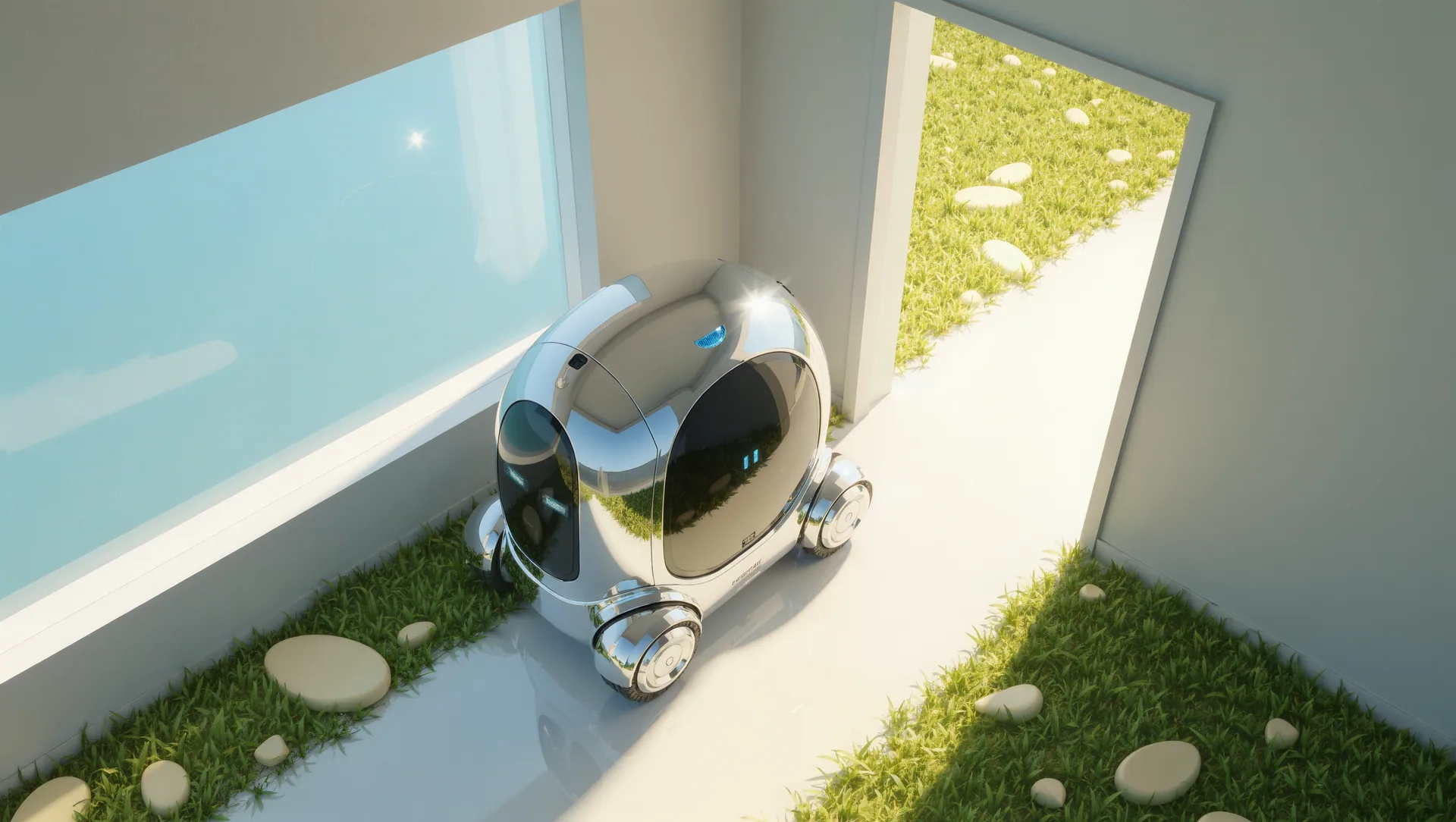
Robotic motion control is a fundamental technology in modern automation systems that enables robots to execute precise movements through sophisticated algorithms and control mechanisms. This field encompasses the mathematical models, sensors, actuators, and software systems that coordinate robot movement to achieve specific tasks with high accuracy and repeatability. The technology has become increasingly important as manufacturing, logistics, healthcare, and service industries integrate automated systems to improve operational efficiency.
The core components of robotic motion control include trajectory planning, path optimization, feedback control systems, and real-time motion coordination. These systems process sensor data, calculate optimal movement paths, and adjust motor commands to ensure robots operate within specified parameters while avoiding obstacles and maintaining safety protocols. Modern implementations utilize advanced control algorithms such as proportional-integral-derivative (PID) controllers, model predictive control, and adaptive control systems.
Current applications of robotic motion control span multiple industries, from automotive assembly lines and semiconductor manufacturing to surgical robotics and autonomous vehicles. In manufacturing environments, motion control systems enable robots to perform welding, painting, assembly, and quality inspection tasks with consistent precision. The technology also supports collaborative robots (cobots) that work alongside human operators, requiring sophisticated motion control to ensure safe human-robot interaction.
The evolution of robotic motion control continues to advance through integration with artificial intelligence, machine learning algorithms, and improved sensor technologies. These developments are expanding the capabilities of robotic systems to handle more complex, unstructured environments and adapt to varying operational conditions without extensive reprogramming.
The history of robotic motion control dates back to the mid-20th century when the first industrial robots were developed. These early machines were primarily used in manufacturing settings, performing repetitive tasks such as welding and assembly. The initial motion control systems were relatively simple, relying on basic programming and mechanical components to guide robot movements.
However, as technology advanced, so did the complexity and capabilities of robotic systems. By the 1980s and 1990s, significant advancements in computer technology led to more sophisticated motion control systems. The introduction of microprocessors allowed for real-time processing and more precise control over robotic movements.
This era also saw the development of various programming languages specifically designed for robotics, enabling engineers to create more complex algorithms for motion control. As a result, robots became more versatile and capable of performing a wider range of tasks across different industries.
Today, robotic motion control is utilized in various sectors, including manufacturing, healthcare, logistics, and agriculture. In manufacturing, robots equipped with advanced motion control systems can perform intricate assembly tasks with high precision. They can also adapt to changes in production lines, making them invaluable in environments that require flexibility and efficiency.
In healthcare, robotic motion control is revolutionizing surgical procedures. Surgical robots can perform delicate operations with unparalleled accuracy, minimizing patient recovery time and reducing the risk of complications. Additionally, in logistics, automated guided vehicles (AGVs) use motion control to navigate warehouses and transport goods efficiently.
The agricultural sector is also benefiting from robotic systems that can plant, harvest, and monitor crops with precision, ultimately increasing yield and reducing labor costs.
Recent advancements in sensing technologies have significantly enhanced robotic motion control systems. Sensors such as LiDAR, cameras, and force-torque sensors provide robots with real-time data about their environment. This information allows robots to make informed decisions about their movements, improving their ability to navigate complex spaces and interact with objects safely.
Feedback systems play a crucial role in ensuring that robots maintain accuracy during operation. Closed-loop control systems utilize feedback from sensors to adjust movements dynamically. For instance, if a robot encounters an unexpected obstacle, it can quickly alter its path based on sensor input.
As technology continues to evolve, several emerging technologies are shaping the future of robotic motion control. One notable advancement is the integration of machine learning algorithms into motion control systems. By analyzing vast amounts of data, these algorithms enable robots to learn from their experiences and improve their performance over time.
Another exciting development is the use of soft robotics in motion control. Soft robots are made from flexible materials that allow them to adapt their shape and movements to various tasks. This adaptability opens up new possibilities for applications in delicate environments, such as healthcare or food handling, where traditional rigid robots may struggle.
Artificial intelligence (AI) is transforming robotic motion control by enabling machines to make autonomous decisions based on data analysis. AI algorithms can process information from sensors and cameras to identify objects, assess their surroundings, and determine the best course of action. This capability allows robots to operate independently in dynamic environments without constant human intervention.
Moreover, AI enhances the learning capabilities of robots through reinforcement learning techniques. Robots can experiment with different movements and learn from their successes or failures. This self-improvement process leads to more efficient motion control strategies over time, making robots increasingly effective in various applications.
Precision and accuracy are paramount in robotic motion control, especially in industries where even minor errors can have significant consequences. Recent advancements in control algorithms have led to improved precision in robotic movements. Techniques such as model predictive control (MPC) allow robots to anticipate future states and adjust their actions accordingly.
Additionally, advancements in actuator technology have contributed to enhanced accuracy in robotic motion control. High-precision motors and servos enable robots to execute movements with minimal deviation from their intended paths. These improvements are particularly beneficial in applications such as surgery or micro-manufacturing, where precision is critical.
The integration of robotic motion control with virtual reality (VR) and augmented reality (AR) technologies is opening new avenues for training and operation. VR simulations allow operators to practice controlling robots in a safe environment before working with actual machines. This training method enhances operator skills and reduces the risk of accidents during real-world operations.
AR technology can also provide real-time guidance to operators by overlaying digital information onto their physical environment. For instance, an operator could receive visual cues on how to position a robot or adjust its movements based on live data feeds. This integration enhances collaboration between humans and robots, leading to more efficient workflows.
Despite the advancements in robotic motion control, several challenges remain. One significant limitation is the complexity of programming sophisticated motion control systems. Developing algorithms that can handle unpredictable environments requires extensive expertise and resources.
Additionally, safety concerns persist as robots become more autonomous. Ensuring that robots can operate safely alongside humans is crucial for widespread adoption in various industries. Implementing robust safety protocols and fail-safes is essential to mitigate risks associated with robotic operations.
Looking ahead, several trends are likely to shape the future of robotic motion control. The continued integration of AI will lead to even more autonomous robots capable of adapting to changing environments without human intervention. Furthermore, advancements in collaborative robotics will enable humans and robots to work side by side more effectively.
The rise of 5G technology will also enhance communication between robots and their control systems, allowing for faster data transfer and real-time decision-making.
In conclusion, robotic motion control is a cornerstone of modern automation that has evolved significantly over the years. From its humble beginnings in industrial settings to its current applications across various sectors, this technology has proven its value in enhancing efficiency and precision. As advancements continue to emerge, driven by AI, machine learning, and innovative sensing technologies, the future of robotic motion control looks promising.
The integration of these technologies will not only improve existing applications but also pave the way for new possibilities in automation. As we move forward into an increasingly automated world, understanding and leveraging robotic motion control will be essential for businesses seeking to remain competitive and innovative in their respective industries.
The core components of robotic motion control include trajectory planning, path optimization, feedback control systems, and real-time motion coordination. These systems process sensor data, calculate optimal movement paths, and adjust motor commands to ensure robots operate within specified parameters while avoiding obstacles and maintaining safety protocols. Modern implementations utilize advanced control algorithms such as proportional-integral-derivative (PID) controllers, model predictive control, and adaptive control systems.
Current applications of robotic motion control span multiple industries, from automotive assembly lines and semiconductor manufacturing to surgical robotics and autonomous vehicles. In manufacturing environments, motion control systems enable robots to perform welding, painting, assembly, and quality inspection tasks with consistent precision. The technology also supports collaborative robots (cobots) that work alongside human operators, requiring sophisticated motion control to ensure safe human-robot interaction.
The evolution of robotic motion control continues to advance through integration with artificial intelligence, machine learning algorithms, and improved sensor technologies. These developments are expanding the capabilities of robotic systems to handle more complex, unstructured environments and adapt to varying operational conditions without extensive reprogramming.
Key Takeaways
- Robotic motion control has evolved from basic mechanical systems to advanced AI-driven technologies enhancing automation.
- Modern applications span industries such as manufacturing, healthcare, and autonomous vehicles.
- Advances in sensing and feedback systems significantly improve the precision and responsiveness of robotic movements.
- Integration with virtual and augmented reality is expanding the capabilities and usability of robotic systems.
- Despite progress, challenges remain in overcoming limitations related to complexity, cost, and adaptability in diverse environments.
History of Robotic Motion Control
The history of robotic motion control dates back to the mid-20th century when the first industrial robots were developed. These early machines were primarily used in manufacturing settings, performing repetitive tasks such as welding and assembly. The initial motion control systems were relatively simple, relying on basic programming and mechanical components to guide robot movements.
However, as technology advanced, so did the complexity and capabilities of robotic systems. By the 1980s and 1990s, significant advancements in computer technology led to more sophisticated motion control systems. The introduction of microprocessors allowed for real-time processing and more precise control over robotic movements.
This era also saw the development of various programming languages specifically designed for robotics, enabling engineers to create more complex algorithms for motion control. As a result, robots became more versatile and capable of performing a wider range of tasks across different industries.
Current Applications of Robotic Motion Control
Today, robotic motion control is utilized in various sectors, including manufacturing, healthcare, logistics, and agriculture. In manufacturing, robots equipped with advanced motion control systems can perform intricate assembly tasks with high precision. They can also adapt to changes in production lines, making them invaluable in environments that require flexibility and efficiency.
In healthcare, robotic motion control is revolutionizing surgical procedures. Surgical robots can perform delicate operations with unparalleled accuracy, minimizing patient recovery time and reducing the risk of complications. Additionally, in logistics, automated guided vehicles (AGVs) use motion control to navigate warehouses and transport goods efficiently.
The agricultural sector is also benefiting from robotic systems that can plant, harvest, and monitor crops with precision, ultimately increasing yield and reducing labor costs.
Advancements in Sensing and Feedback Systems for Robotic Motion Control
Recent advancements in sensing technologies have significantly enhanced robotic motion control systems. Sensors such as LiDAR, cameras, and force-torque sensors provide robots with real-time data about their environment. This information allows robots to make informed decisions about their movements, improving their ability to navigate complex spaces and interact with objects safely.
Feedback systems play a crucial role in ensuring that robots maintain accuracy during operation. Closed-loop control systems utilize feedback from sensors to adjust movements dynamically. For instance, if a robot encounters an unexpected obstacle, it can quickly alter its path based on sensor input.
Emerging Technologies in Robotic Motion Control
As technology continues to evolve, several emerging technologies are shaping the future of robotic motion control. One notable advancement is the integration of machine learning algorithms into motion control systems. By analyzing vast amounts of data, these algorithms enable robots to learn from their experiences and improve their performance over time.
Another exciting development is the use of soft robotics in motion control. Soft robots are made from flexible materials that allow them to adapt their shape and movements to various tasks. This adaptability opens up new possibilities for applications in delicate environments, such as healthcare or food handling, where traditional rigid robots may struggle.
Impact of Artificial Intelligence on Robotic Motion Control
Artificial intelligence (AI) is transforming robotic motion control by enabling machines to make autonomous decisions based on data analysis. AI algorithms can process information from sensors and cameras to identify objects, assess their surroundings, and determine the best course of action. This capability allows robots to operate independently in dynamic environments without constant human intervention.
Moreover, AI enhances the learning capabilities of robots through reinforcement learning techniques. Robots can experiment with different movements and learn from their successes or failures. This self-improvement process leads to more efficient motion control strategies over time, making robots increasingly effective in various applications.
Improvements in Precision and Accuracy in Robotic Motion Control
Precision and accuracy are paramount in robotic motion control, especially in industries where even minor errors can have significant consequences. Recent advancements in control algorithms have led to improved precision in robotic movements. Techniques such as model predictive control (MPC) allow robots to anticipate future states and adjust their actions accordingly.
Additionally, advancements in actuator technology have contributed to enhanced accuracy in robotic motion control. High-precision motors and servos enable robots to execute movements with minimal deviation from their intended paths. These improvements are particularly beneficial in applications such as surgery or micro-manufacturing, where precision is critical.
Integration of Robotic Motion Control with Virtual Reality and Augmented Reality
The integration of robotic motion control with virtual reality (VR) and augmented reality (AR) technologies is opening new avenues for training and operation. VR simulations allow operators to practice controlling robots in a safe environment before working with actual machines. This training method enhances operator skills and reduces the risk of accidents during real-world operations.
AR technology can also provide real-time guidance to operators by overlaying digital information onto their physical environment. For instance, an operator could receive visual cues on how to position a robot or adjust its movements based on live data feeds. This integration enhances collaboration between humans and robots, leading to more efficient workflows.
Challenges and Limitations in Robotic Motion Control
Despite the advancements in robotic motion control, several challenges remain. One significant limitation is the complexity of programming sophisticated motion control systems. Developing algorithms that can handle unpredictable environments requires extensive expertise and resources.
Additionally, safety concerns persist as robots become more autonomous. Ensuring that robots can operate safely alongside humans is crucial for widespread adoption in various industries. Implementing robust safety protocols and fail-safes is essential to mitigate risks associated with robotic operations.
Future Trends and Predictions in Robotic Motion Control
Looking ahead, several trends are likely to shape the future of robotic motion control. The continued integration of AI will lead to even more autonomous robots capable of adapting to changing environments without human intervention. Furthermore, advancements in collaborative robotics will enable humans and robots to work side by side more effectively.
The rise of 5G technology will also enhance communication between robots and their control systems, allowing for faster data transfer and real-time decision-making.
The Role of Robotic Motion Control in Shaping the Future of Automation
In conclusion, robotic motion control is a cornerstone of modern automation that has evolved significantly over the years. From its humble beginnings in industrial settings to its current applications across various sectors, this technology has proven its value in enhancing efficiency and precision. As advancements continue to emerge, driven by AI, machine learning, and innovative sensing technologies, the future of robotic motion control looks promising.
The integration of these technologies will not only improve existing applications but also pave the way for new possibilities in automation. As we move forward into an increasingly automated world, understanding and leveraging robotic motion control will be essential for businesses seeking to remain competitive and innovative in their respective industries.
FAQs
What is robotic motion control?
Robotic motion control refers to the technology and methods used to manage and direct the movement of robots. It involves controlling the position, velocity, and acceleration of robot joints or end-effectors to perform specific tasks accurately and efficiently.What are the main components of robotic motion control systems?
The main components include sensors (to detect position and movement), actuators (motors or drives that move the robot), controllers (which process input data and send commands), and software algorithms that coordinate and optimize the robot's movements.What types of motion control are used in robotics?
Common types include position control (controlling the exact position of a robot part), velocity control (controlling the speed of movement), and force control (managing the force applied during interaction with objects). Advanced systems may combine these for precise and adaptive motion.How does feedback play a role in robotic motion control?
Feedback from sensors is critical for closed-loop control systems, allowing the controller to compare the desired position or velocity with the actual state and make real-time adjustments to reduce errors and improve accuracy.What are common challenges in robotic motion control?
Challenges include dealing with dynamic environments, compensating for mechanical inaccuracies or wear, managing complex multi-axis movements, ensuring safety, and achieving smooth and precise motion under varying loads.What industries commonly use robotic motion control?
Robotic motion control is widely used in manufacturing (assembly lines, welding, painting), healthcare (surgical robots), logistics (automated guided vehicles), and research fields requiring precise manipulation and automation.What role do software algorithms play in robotic motion control?
Software algorithms calculate trajectories, optimize movement paths, handle sensor data processing, and implement control strategies such as PID control, adaptive control, or machine learning-based approaches to enhance robot performance.How is robotic motion control evolving with new technologies?
Advancements include integration of AI and machine learning for adaptive control, improved sensor technologies for better feedback, and the development of collaborative robots (cobots) that can safely interact with humans in shared workspaces.More in
More from Robotic
Robotic · 9 min
Robotic Precision: The Future of Automation
Robotic precision refers to the ability of automated systems to perform tasks with extremely high accuracy and repeatability. Modern industrial robots…
Robotic · 9 min
Efficient Robotic Path Planning for Improved Navigation
Robotic path planning constitutes a fundamental component of robotics engineering that focuses on calculating optimal trajectories for robots to move …
Robotic · 9 min
Advancements in SLAM Robotics
Simultaneous Localization and Mapping (SLAM) is a computational approach that allows robots to construct maps of unknown environments while simultaneo…