Robotic · Robotic
Robotic Object Recognition: Advancements in Visual Technology
Robotic object recognition is a transformative technology that enables machines to identify and classify objects within their environment. This capability is crucial for the develo…

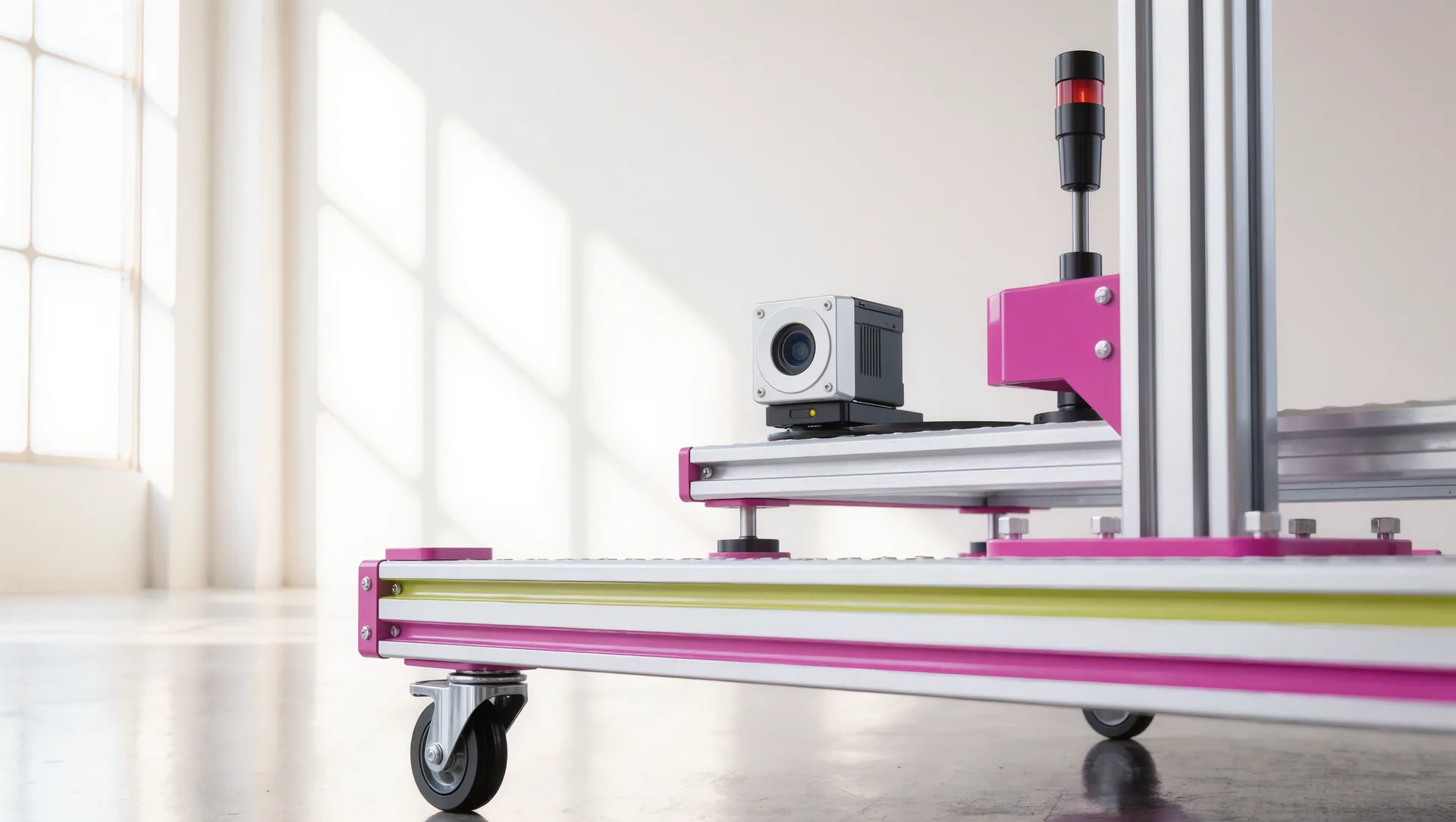
Robotic object recognition is a transformative technology that enables machines to identify and classify objects within their environment. This capability is crucial for the development of autonomous systems, allowing robots to interact intelligently with the world around them. By leveraging advanced algorithms and machine learning techniques, robotic object recognition enhances the efficiency and effectiveness of various applications, from manufacturing to healthcare.
As industries increasingly adopt automation, understanding this technology becomes essential for harnessing its full potential. The benefits of robotic object recognition are manifold. It not only improves operational efficiency but also reduces human error and enhances safety in environments where humans and machines coexist.
As robots become more integrated into daily life, their ability to recognize and respond to objects will play a pivotal role in shaping future interactions. This article delves into the evolution, workings, advancements, applications, challenges, and ethical considerations surrounding robotic object recognition, providing a comprehensive overview of its significance in modern society.
The journey of visual technology in robotics began with simple image processing techniques that allowed machines to detect basic shapes and colors. Early systems relied on predefined rules and limited datasets, which restricted their ability to adapt to new environments. However, as computational power increased and algorithms became more sophisticated, the field of robotic vision experienced significant advancements.
In the late 20th century, the introduction of machine learning marked a turning point. Researchers began to explore neural networks, which mimicked the human brain's structure to improve object recognition capabilities. This evolution paved the way for deep learning, enabling robots to learn from vast amounts of data and recognize complex patterns.
Today, robotic object recognition systems can identify thousands of objects with remarkable accuracy, thanks to these technological advancements.
Robotic object recognition operates through a series of steps that involve capturing images, processing data, and making decisions based on the information gathered. Initially, a robot's camera captures visual data from its surroundings. This data is then processed using algorithms that analyze the images for features such as edges, colors, and textures.
Once the features are extracted, machine learning models classify the objects based on their characteristics. These models are trained on extensive datasets containing labeled images, allowing them to learn how to differentiate between various objects. The final step involves decision-making, where the robot determines how to interact with the recognized objects, whether it be picking them up, avoiding them, or performing specific tasks related to them.
Deep learning has revolutionized robotic object recognition by enabling machines to learn from vast datasets without explicit programming. Convolutional Neural Networks (CNNs) are among the most significant advancements in this area. CNNs excel at processing visual data by automatically detecting features at multiple levels of abstraction.
Recent developments have introduced more sophisticated architectures like Generative Adversarial Networks (GANs) and Transformer models. These innovations enhance the accuracy and efficiency of object recognition systems by allowing them to generalize better across different environments and conditions. As a result, robots can now recognize objects in real-time, even in dynamic settings where lighting and angles may vary.
Artificial Intelligence (AI) plays a crucial role in enhancing robotic object recognition capabilities. By integrating AI with machine learning algorithms, robots can continuously improve their performance through experience. This adaptability is vital for applications where conditions change frequently or where robots encounter new objects.
AI also facilitates advanced techniques such as transfer learning, where a model trained on one task can be adapted for another with minimal additional training. This capability significantly reduces the time and resources required to develop effective object recognition systems. Furthermore, AI enables robots to make informed decisions based on contextual understanding, allowing for more intelligent interactions with their environment.
Robotic object recognition has found applications across numerous industries, transforming how tasks are performed. In manufacturing, robots equipped with object recognition capabilities can identify parts on assembly lines, ensuring quality control and optimizing production processes. This technology reduces downtime and increases efficiency by enabling robots to adapt quickly to changes in their environment.
In healthcare, robotic systems utilize object recognition for surgical assistance and patient care. For instance, surgical robots can identify anatomical structures during procedures, enhancing precision and safety. Additionally, service robots in hospitals can recognize patients and deliver medications or supplies efficiently.
Other industries benefiting from robotic object recognition include agriculture, logistics, and retail. In agriculture, drones equipped with object recognition can monitor crop health by identifying pests or diseases. In logistics, robots can navigate warehouses by recognizing items for efficient sorting and delivery.
Retailers use robotic systems for inventory management by scanning shelves and identifying stock levels.
Despite its advancements, robotic object recognition faces several challenges and limitations. One significant issue is the variability of real-world environments. Factors such as lighting conditions, occlusions, and varying object appearances can hinder a robot's ability to recognize objects accurately.
Another challenge is the need for extensive labeled datasets for training machine learning models. Collecting and annotating these datasets can be time-consuming and costly. Additionally, there is a risk of overfitting, where a model performs well on training data but fails to generalize to new situations.
Moreover, ethical concerns arise regarding privacy and surveillance when deploying robotic systems equipped with object recognition capabilities in public spaces. Ensuring that these technologies are used responsibly is crucial for maintaining public trust.
The future of robotic object recognition is promising, with several trends poised to shape its development. One significant trend is the integration of multimodal sensory data. By combining visual information with data from other sensors such as LiDAR or infrared cameras, robots can achieve a more comprehensive understanding of their environment.
Another trend is the increasing focus on explainable AI (XAI). As robotic systems become more autonomous, understanding their decision-making processes becomes essential for user trust and safety. Researchers are working on developing models that provide insights into how decisions are made based on recognized objects.
Additionally, advancements in edge computing will enable real-time processing of visual data directly on robotic devices. This capability will reduce latency and improve responsiveness in dynamic environments, making robots more effective in various applications.
As robotic object recognition technology becomes more prevalent, ethical and privacy considerations must be addressed. The deployment of robots equipped with surveillance capabilities raises concerns about data collection and individual privacy rights. Ensuring that these systems operate transparently and ethically is vital for public acceptance.
Regulatory frameworks will need to evolve alongside technological advancements to establish guidelines for responsible use. Organizations must prioritize data security and implement measures to protect sensitive information collected by robotic systems. Moreover, fostering public dialogue about the implications of robotic object recognition can help build trust between developers and users.
Engaging stakeholders in discussions about ethical considerations will be crucial as this technology continues to advance.
The impact of robotic object recognition on society is profound and multifaceted. As robots become more capable of understanding their surroundings, they will play an increasingly significant role in everyday life.
However, this technology also poses challenges related to job displacement as automation becomes more prevalent. While some jobs may be replaced by robots, new opportunities will emerge in fields related to robotics development and maintenance. Ultimately, the successful integration of robotic object recognition into society will depend on balancing innovation with ethical considerations.
By addressing challenges proactively and fostering collaboration between stakeholders, we can harness the full potential of this technology for societal benefit.
Robotic object recognition stands at the forefront of technological innovation with the potential to reshape industries and enhance daily life significantly. As advancements continue in deep learning algorithms and artificial intelligence integration, the capabilities of robotic systems will expand further. By understanding the evolution, workings, applications, challenges, and ethical considerations surrounding this technology, we can better appreciate its impact on society.
Embracing these advancements while addressing concerns will pave the way for a future where robots seamlessly integrate into our lives, improving efficiency and safety across various domains. In conclusion, as we look ahead to a world increasingly influenced by robotics and automation, investing in research and development for robotic object recognition will be crucial for unlocking its full potential while ensuring responsible use that benefits all members of society.
As industries increasingly adopt automation, understanding this technology becomes essential for harnessing its full potential. The benefits of robotic object recognition are manifold. It not only improves operational efficiency but also reduces human error and enhances safety in environments where humans and machines coexist.
As robots become more integrated into daily life, their ability to recognize and respond to objects will play a pivotal role in shaping future interactions. This article delves into the evolution, workings, advancements, applications, challenges, and ethical considerations surrounding robotic object recognition, providing a comprehensive overview of its significance in modern society.
Key Takeaways
- Robotic object recognition has evolved significantly with advances in visual technology and deep learning algorithms.
- Artificial intelligence plays a crucial role in enhancing the accuracy and efficiency of object recognition in robots.
- Applications span multiple industries, including manufacturing, healthcare, and autonomous vehicles.
- Challenges remain in addressing limitations, ethical concerns, and privacy issues related to robotic vision systems.
- Future developments promise to further integrate robotic object recognition into society, shaping various aspects of daily life and industry.
The Evolution of Visual Technology in Robotics
The journey of visual technology in robotics began with simple image processing techniques that allowed machines to detect basic shapes and colors. Early systems relied on predefined rules and limited datasets, which restricted their ability to adapt to new environments. However, as computational power increased and algorithms became more sophisticated, the field of robotic vision experienced significant advancements.
In the late 20th century, the introduction of machine learning marked a turning point. Researchers began to explore neural networks, which mimicked the human brain's structure to improve object recognition capabilities. This evolution paved the way for deep learning, enabling robots to learn from vast amounts of data and recognize complex patterns.
Today, robotic object recognition systems can identify thousands of objects with remarkable accuracy, thanks to these technological advancements.
How Robotic Object Recognition Works
Robotic object recognition operates through a series of steps that involve capturing images, processing data, and making decisions based on the information gathered. Initially, a robot's camera captures visual data from its surroundings. This data is then processed using algorithms that analyze the images for features such as edges, colors, and textures.
Once the features are extracted, machine learning models classify the objects based on their characteristics. These models are trained on extensive datasets containing labeled images, allowing them to learn how to differentiate between various objects. The final step involves decision-making, where the robot determines how to interact with the recognized objects, whether it be picking them up, avoiding them, or performing specific tasks related to them.
Advancements in Deep Learning Algorithms for Object Recognition
Deep learning has revolutionized robotic object recognition by enabling machines to learn from vast datasets without explicit programming. Convolutional Neural Networks (CNNs) are among the most significant advancements in this area. CNNs excel at processing visual data by automatically detecting features at multiple levels of abstraction.
Recent developments have introduced more sophisticated architectures like Generative Adversarial Networks (GANs) and Transformer models. These innovations enhance the accuracy and efficiency of object recognition systems by allowing them to generalize better across different environments and conditions. As a result, robots can now recognize objects in real-time, even in dynamic settings where lighting and angles may vary.
The Role of Artificial Intelligence in Robotic Object Recognition
Artificial Intelligence (AI) plays a crucial role in enhancing robotic object recognition capabilities. By integrating AI with machine learning algorithms, robots can continuously improve their performance through experience. This adaptability is vital for applications where conditions change frequently or where robots encounter new objects.
AI also facilitates advanced techniques such as transfer learning, where a model trained on one task can be adapted for another with minimal additional training. This capability significantly reduces the time and resources required to develop effective object recognition systems. Furthermore, AI enables robots to make informed decisions based on contextual understanding, allowing for more intelligent interactions with their environment.
Applications of Robotic Object Recognition in Various Industries
Robotic object recognition has found applications across numerous industries, transforming how tasks are performed. In manufacturing, robots equipped with object recognition capabilities can identify parts on assembly lines, ensuring quality control and optimizing production processes. This technology reduces downtime and increases efficiency by enabling robots to adapt quickly to changes in their environment.
In healthcare, robotic systems utilize object recognition for surgical assistance and patient care. For instance, surgical robots can identify anatomical structures during procedures, enhancing precision and safety. Additionally, service robots in hospitals can recognize patients and deliver medications or supplies efficiently.
Other industries benefiting from robotic object recognition include agriculture, logistics, and retail. In agriculture, drones equipped with object recognition can monitor crop health by identifying pests or diseases. In logistics, robots can navigate warehouses by recognizing items for efficient sorting and delivery.
Retailers use robotic systems for inventory management by scanning shelves and identifying stock levels.
Challenges and Limitations in Robotic Object Recognition
Despite its advancements, robotic object recognition faces several challenges and limitations. One significant issue is the variability of real-world environments. Factors such as lighting conditions, occlusions, and varying object appearances can hinder a robot's ability to recognize objects accurately.
Another challenge is the need for extensive labeled datasets for training machine learning models. Collecting and annotating these datasets can be time-consuming and costly. Additionally, there is a risk of overfitting, where a model performs well on training data but fails to generalize to new situations.
Moreover, ethical concerns arise regarding privacy and surveillance when deploying robotic systems equipped with object recognition capabilities in public spaces. Ensuring that these technologies are used responsibly is crucial for maintaining public trust.
Future Trends and Developments in Visual Technology for Robotics
The future of robotic object recognition is promising, with several trends poised to shape its development. One significant trend is the integration of multimodal sensory data. By combining visual information with data from other sensors such as LiDAR or infrared cameras, robots can achieve a more comprehensive understanding of their environment.
Another trend is the increasing focus on explainable AI (XAI). As robotic systems become more autonomous, understanding their decision-making processes becomes essential for user trust and safety. Researchers are working on developing models that provide insights into how decisions are made based on recognized objects.
Additionally, advancements in edge computing will enable real-time processing of visual data directly on robotic devices. This capability will reduce latency and improve responsiveness in dynamic environments, making robots more effective in various applications.
Ethical and Privacy Considerations in Robotic Object Recognition
As robotic object recognition technology becomes more prevalent, ethical and privacy considerations must be addressed. The deployment of robots equipped with surveillance capabilities raises concerns about data collection and individual privacy rights. Ensuring that these systems operate transparently and ethically is vital for public acceptance.
Regulatory frameworks will need to evolve alongside technological advancements to establish guidelines for responsible use. Organizations must prioritize data security and implement measures to protect sensitive information collected by robotic systems. Moreover, fostering public dialogue about the implications of robotic object recognition can help build trust between developers and users.
Engaging stakeholders in discussions about ethical considerations will be crucial as this technology continues to advance.
The Impact of Robotic Object Recognition on Society
The impact of robotic object recognition on society is profound and multifaceted. As robots become more capable of understanding their surroundings, they will play an increasingly significant role in everyday life.
However, this technology also poses challenges related to job displacement as automation becomes more prevalent. While some jobs may be replaced by robots, new opportunities will emerge in fields related to robotics development and maintenance. Ultimately, the successful integration of robotic object recognition into society will depend on balancing innovation with ethical considerations.
By addressing challenges proactively and fostering collaboration between stakeholders, we can harness the full potential of this technology for societal benefit.
The Potential of Robotic Object Recognition in Shaping the Future
Robotic object recognition stands at the forefront of technological innovation with the potential to reshape industries and enhance daily life significantly. As advancements continue in deep learning algorithms and artificial intelligence integration, the capabilities of robotic systems will expand further. By understanding the evolution, workings, applications, challenges, and ethical considerations surrounding this technology, we can better appreciate its impact on society.
Embracing these advancements while addressing concerns will pave the way for a future where robots seamlessly integrate into our lives, improving efficiency and safety across various domains. In conclusion, as we look ahead to a world increasingly influenced by robotics and automation, investing in research and development for robotic object recognition will be crucial for unlocking its full potential while ensuring responsible use that benefits all members of society.
FAQs
What is robotic object recognition?
Robotic object recognition is the process by which robots identify and classify objects in their environment using sensors, cameras, and algorithms. This capability enables robots to interact effectively with their surroundings.How do robots recognize objects?
Robots use a combination of computer vision techniques, machine learning models, and sensor data to detect and identify objects. Common methods include image processing, feature extraction, and deep learning-based classification.What are the common applications of robotic object recognition?
Applications include industrial automation, autonomous vehicles, warehouse management, healthcare assistance, and service robots. Object recognition helps robots perform tasks such as sorting, navigation, manipulation, and inspection.What types of sensors are used in robotic object recognition?
Robots typically use cameras (RGB, depth, stereo), LiDAR, ultrasonic sensors, and infrared sensors to gather data about objects. Visual sensors are most common for object recognition tasks.What challenges exist in robotic object recognition?
Challenges include varying lighting conditions, occlusions, object variability, real-time processing requirements, and the need for large annotated datasets to train recognition models.How does machine learning improve robotic object recognition?
Machine learning, especially deep learning, allows robots to learn complex patterns and features from large datasets, improving accuracy and robustness in recognizing diverse objects under different conditions.Can robotic object recognition work in real-time?
Yes, with advances in hardware and optimized algorithms, many robotic systems can perform object recognition in real-time, enabling immediate decision-making and interaction.Is robotic object recognition limited to visual data?
While primarily based on visual data, robotic object recognition can also incorporate other sensory inputs like tactile feedback and 3D spatial data to enhance accuracy and understanding.What is the difference between object detection and object recognition in robotics?
Object detection involves locating objects within an image or environment, while object recognition goes further to classify and identify the specific type or category of the detected object.How is robotic object recognition evaluated?
Performance is typically measured using metrics such as accuracy, precision, recall, and processing speed, often tested on benchmark datasets or in real-world scenarios.More in
More from Robotic
Robotic · 9 min
Robotic Precision: The Future of Automation
Robotic precision refers to the ability of automated systems to perform tasks with extremely high accuracy and repeatability. Modern industrial robots…

Robotic · 8 min
Advancements in Robotic Motion Control
Robotic motion control is a fundamental technology in modern automation systems that enables robots to execute precise movements through sophisticated…
Robotic · 9 min
Efficient Robotic Path Planning for Improved Navigation
Robotic path planning constitutes a fundamental component of robotics engineering that focuses on calculating optimal trajectories for robots to move …