Robotic · Robotic
The Rise of Domestic Robots: How They're Revolutionizing Home Life
Domestic robots have experienced significant adoption in residential settings, transforming household task management through automation. These devices perform specific functions i…

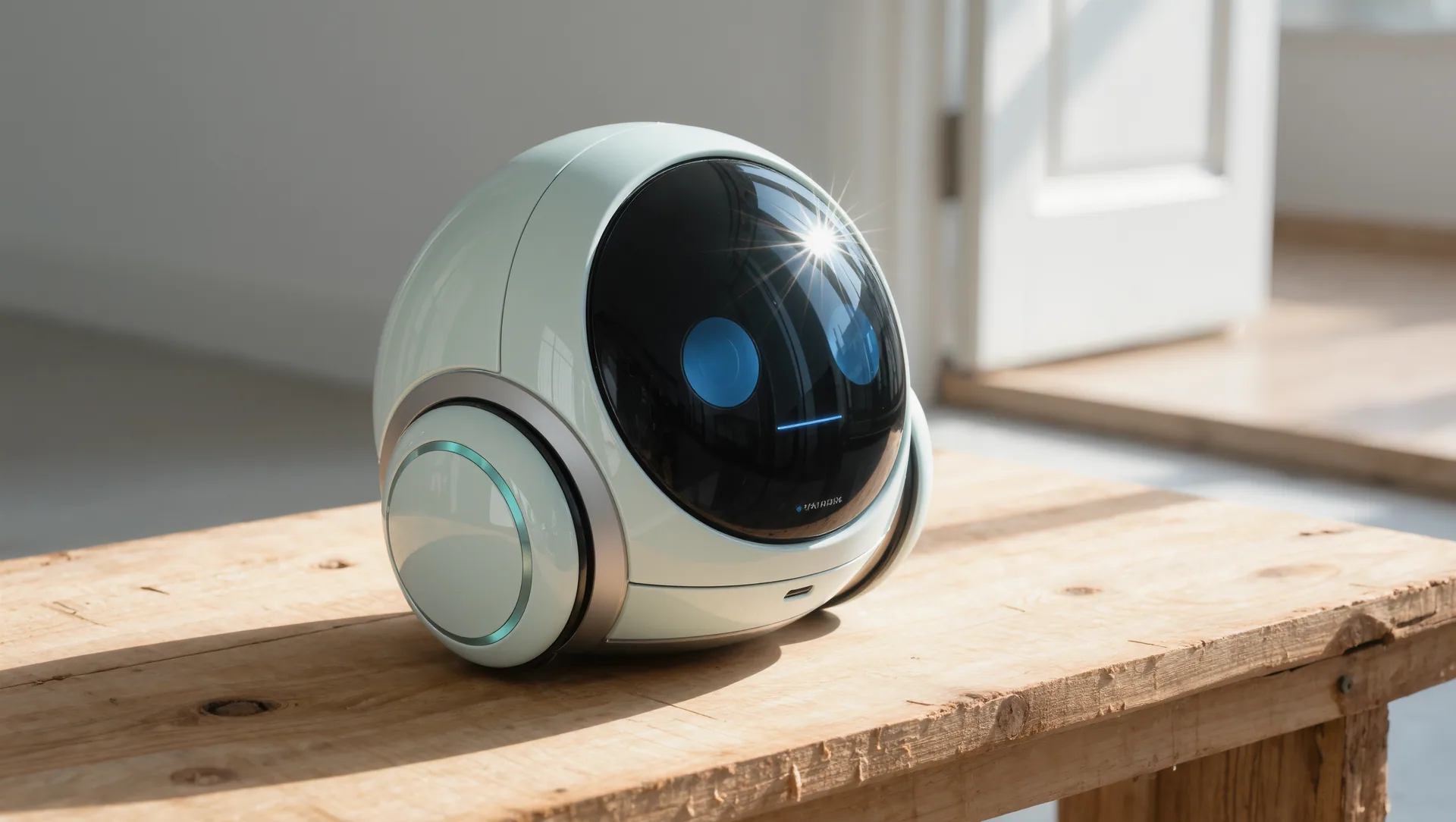
Domestic robots have experienced significant adoption in residential settings, transforming household task management through automation. These devices perform specific functions including floor cleaning, lawn maintenance, and food preparation. Technological developments have enhanced their operational efficiency and ease of use.
The implementation of domestic robots addresses time constraints and increases household convenience. This technology enables families to allocate time previously spent on routine maintenance to other activities. Market research indicates growing consumer demand for automated household solutions.
The proliferation of domestic robots reflects changing patterns in home management practices. Contemporary lifestyles, characterized by extended work schedules and multiple commitments, have created demand for time-saving technologies. Domestic robots provide measurable assistance by automating repetitive tasks, reducing the manual labor required for household maintenance.
Analysis of current trends and technological capabilities demonstrates that these devices represent a practical solution for modern residential needs rather than discretionary purchases.
The journey of domestic robots began in the mid-20th century, with early prototypes primarily focused on simple tasks. These initial models were often rudimentary and limited in functionality, serving more as novelties than practical tools. However, as technology progressed, so did the design and capabilities of these robots.
The introduction of microprocessors and sensors paved the way for more sophisticated machines that could navigate spaces and perform tasks autonomously. By the 1990s, companies like iRobot launched products such as the Roomba, which marked a significant milestone in domestic robotics. This robotic vacuum cleaner showcased the potential for automation in household chores, capturing the attention of consumers worldwide.
Over the years, advancements in artificial intelligence and machine learning have further propelled the evolution of domestic robots, enabling them to learn from their environments and adapt to user preferences. Today, we see a diverse range of domestic robots that cater to various needs, reflecting the growing demand for smart home solutions.
Domestic robots offer numerous benefits that enhance home life significantly. One of the most notable advantages is time savings. With busy lifestyles, many individuals find it challenging to keep up with household chores.
Domestic robots can take over repetitive tasks, allowing homeowners to allocate their time to more meaningful activities, such as spending time with family or pursuing hobbies. Additionally, domestic robots contribute to improved cleanliness and organization within the home. For instance, robotic vacuum cleaners can maintain floors consistently, reducing dust and allergens.
This not only creates a healthier living environment but also minimizes the need for frequent deep cleaning sessions. Furthermore, many domestic robots come equipped with smart technology that allows users to control them remotely via smartphone apps, adding an extra layer of convenience.
The market for domestic robots has expanded dramatically, offering a wide variety of options tailored to different household needs. Robotic vacuum cleaners are among the most popular types, designed to autonomously navigate and clean floors. Brands like Roomba and Neato have set the standard for efficiency and reliability in this category.
In addition to vacuuming robots, there are also robotic mops that can tackle hard surfaces with ease. These devices often feature advanced cleaning solutions and can be programmed for specific cleaning schedules. Lawn care robots have also gained traction, providing homeowners with automated solutions for mowing grass and maintaining gardens.
Moreover, kitchen robots are emerging as valuable assets in culinary tasks. From food processors that chop ingredients to smart ovens that can cook meals with minimal input, these devices are transforming how we approach cooking at home. As technology continues to advance, we can expect even more innovative types of domestic robots to enter the market.
Domestic robots are fundamentally changing how we approach household chores by introducing automation into our daily routines. Traditional cleaning methods often require significant time and effort; however, with robotic assistance, these tasks can be completed with minimal human intervention. For example, robotic vacuum cleaners can be programmed to clean at specific times or activated remotely when needed.
This shift towards automation not only streamlines chores but also enhances efficiency. Many domestic robots are equipped with sensors that allow them to navigate around furniture and obstacles seamlessly. This capability ensures thorough cleaning without requiring constant supervision from homeowners.
As a result, families can enjoy cleaner homes without dedicating hours each week to cleaning tasks. Moreover, the integration of smart technology into domestic robots allows for greater customization and control. Users can set preferences for cleaning schedules or adjust settings based on their specific needs.
This level of personalization ensures that households can maintain cleanliness according to their unique lifestyles.
Artificial intelligence (AI) plays a crucial role in enhancing the functionality of domestic robots. By incorporating AI algorithms, these devices can learn from their environments and adapt their behavior accordingly. For instance, robotic vacuum cleaners equipped with AI can map out a home’s layout over time, optimizing their cleaning paths for maximum efficiency.
AI also enables domestic robots to recognize different surfaces and adjust their cleaning methods accordingly. This capability ensures that delicate flooring materials receive appropriate care while still achieving effective cleaning results on more durable surfaces. Additionally, AI-powered robots can analyze user preferences and habits, allowing them to provide tailored services that align with individual lifestyles.
Furthermore, advancements in machine learning allow domestic robots to improve their performance over time. As they gather data from their interactions within a home, they become more adept at navigating obstacles and completing tasks efficiently. This continuous learning process enhances user satisfaction and reinforces the value of investing in domestic robotics.
The future of domestic robots looks promising as technology continues to evolve at an unprecedented pace. Innovations in AI, machine learning, and robotics are paving the way for even more advanced devices that can handle complex tasks beyond simple chores. For instance, we may soon see robots capable of meal preparation or laundry folding, tasks that require a higher level of dexterity and decision-making.
Moreover, as smart home ecosystems become increasingly interconnected, domestic robots will likely play a central role in managing household operations. Imagine a scenario where your robotic vacuum communicates with your smart thermostat to optimize energy usage while cleaning or where your kitchen robot collaborates with your refrigerator to suggest recipes based on available ingredients. As consumer demand for convenience grows, manufacturers will continue to invest in research and development to create innovative solutions that enhance everyday life.
The integration of voice recognition technology may also become commonplace, allowing users to interact with their domestic robots more intuitively.
The introduction of domestic robots into households has significant implications for family dynamics. By automating routine chores, these devices free up valuable time for family members to engage in meaningful interactions and activities together. This shift can lead to stronger family bonds as individuals spend less time on mundane tasks and more time enjoying each other's company.
Additionally, domestic robots can help alleviate stress associated with household management. With less pressure to maintain cleanliness or complete chores on time, family members may experience improved mental well-being. This newfound balance allows families to focus on nurturing relationships rather than getting bogged down by daily responsibilities.
Furthermore, children may benefit from growing up in an environment where technology plays a supportive role in daily life. Exposure to domestic robots can foster an appreciation for innovation and encourage curiosity about how technology works. As families embrace these devices together, they create opportunities for learning and collaboration that extend beyond traditional household roles.
While domestic robots offer numerous advantages, there are potential risks and ethical considerations that warrant attention. Users must be aware of how this data is used and stored to protect their privacy effectively.
Another consideration is the potential for job displacement as automation becomes more prevalent in households. While domestic robots can enhance efficiency, they may also reduce the need for certain service jobs related to cleaning or maintenance. Society must navigate this transition thoughtfully to ensure that individuals affected by automation have access to new opportunities.
Moreover, there is an ethical responsibility for manufacturers to ensure that their products are safe and reliable. As domestic robots become more integrated into daily life, it is crucial that they operate without causing harm or disruption within households.
Domestic robots are playing a vital role in making homes more accessible for individuals with disabilities or mobility challenges. These devices can assist with various tasks that may be difficult for some individuals to manage independently. For example, robotic vacuum cleaners can help maintain cleanliness without requiring physical exertion from users. These devices can provide companionship while also assisting with daily activities such as medication reminders or meal preparation. By enhancing accessibility within homes, domestic robots empower individuals to maintain independence while receiving support when needed.
Furthermore, advancements in voice recognition technology allow users to control domestic robots through simple voice commands. This feature is particularly beneficial for individuals who may struggle with traditional interfaces or physical controls.
In conclusion, domestic robots represent a significant revolution in how we manage our homes and daily lives. From their humble beginnings to their current advanced capabilities, these devices have transformed household chores into automated processes that enhance convenience and efficiency. As technology continues to evolve, we can expect even greater innovations that will further integrate domestic robots into our lives.
The benefits of domestic robots extend beyond mere convenience; they foster stronger family dynamics by freeing up time for meaningful interactions while also promoting accessibility for individuals with disabilities or mobility challenges. However, it is essential to remain mindful of potential risks and ethical considerations as we embrace this technological advancement. As we reflect on the impact of domestic robots on our lives today and envision their future potential, it is clear that they will continue to play an integral role in shaping modern households, making our lives easier while allowing us to focus on what truly matters: connection and quality time with loved ones.
The implementation of domestic robots addresses time constraints and increases household convenience. This technology enables families to allocate time previously spent on routine maintenance to other activities. Market research indicates growing consumer demand for automated household solutions.
The proliferation of domestic robots reflects changing patterns in home management practices. Contemporary lifestyles, characterized by extended work schedules and multiple commitments, have created demand for time-saving technologies. Domestic robots provide measurable assistance by automating repetitive tasks, reducing the manual labor required for household maintenance.
Analysis of current trends and technological capabilities demonstrates that these devices represent a practical solution for modern residential needs rather than discretionary purchases.
Key Takeaways
- Domestic robots have evolved significantly, enhancing convenience and efficiency in home life.
- Various types of domestic robots address tasks like cleaning, security, and companionship.
- Artificial intelligence plays a crucial role in improving the functionality and adaptability of domestic robots.
- Domestic robots are transforming household chores, making homes more accessible and inclusive.
- Ethical considerations and potential risks must be addressed as domestic robots become more integrated into family dynamics.
The Evolution of Domestic Robots
The journey of domestic robots began in the mid-20th century, with early prototypes primarily focused on simple tasks. These initial models were often rudimentary and limited in functionality, serving more as novelties than practical tools. However, as technology progressed, so did the design and capabilities of these robots.
The introduction of microprocessors and sensors paved the way for more sophisticated machines that could navigate spaces and perform tasks autonomously. By the 1990s, companies like iRobot launched products such as the Roomba, which marked a significant milestone in domestic robotics. This robotic vacuum cleaner showcased the potential for automation in household chores, capturing the attention of consumers worldwide.
Over the years, advancements in artificial intelligence and machine learning have further propelled the evolution of domestic robots, enabling them to learn from their environments and adapt to user preferences. Today, we see a diverse range of domestic robots that cater to various needs, reflecting the growing demand for smart home solutions.
The Benefits of Domestic Robots in Home Life
Domestic robots offer numerous benefits that enhance home life significantly. One of the most notable advantages is time savings. With busy lifestyles, many individuals find it challenging to keep up with household chores.
Domestic robots can take over repetitive tasks, allowing homeowners to allocate their time to more meaningful activities, such as spending time with family or pursuing hobbies. Additionally, domestic robots contribute to improved cleanliness and organization within the home. For instance, robotic vacuum cleaners can maintain floors consistently, reducing dust and allergens.
This not only creates a healthier living environment but also minimizes the need for frequent deep cleaning sessions. Furthermore, many domestic robots come equipped with smart technology that allows users to control them remotely via smartphone apps, adding an extra layer of convenience.
Types of Domestic Robots Available
The market for domestic robots has expanded dramatically, offering a wide variety of options tailored to different household needs. Robotic vacuum cleaners are among the most popular types, designed to autonomously navigate and clean floors. Brands like Roomba and Neato have set the standard for efficiency and reliability in this category.
In addition to vacuuming robots, there are also robotic mops that can tackle hard surfaces with ease. These devices often feature advanced cleaning solutions and can be programmed for specific cleaning schedules. Lawn care robots have also gained traction, providing homeowners with automated solutions for mowing grass and maintaining gardens.
Moreover, kitchen robots are emerging as valuable assets in culinary tasks. From food processors that chop ingredients to smart ovens that can cook meals with minimal input, these devices are transforming how we approach cooking at home. As technology continues to advance, we can expect even more innovative types of domestic robots to enter the market.
How Domestic Robots are Changing Household Chores
Domestic robots are fundamentally changing how we approach household chores by introducing automation into our daily routines. Traditional cleaning methods often require significant time and effort; however, with robotic assistance, these tasks can be completed with minimal human intervention. For example, robotic vacuum cleaners can be programmed to clean at specific times or activated remotely when needed.
This shift towards automation not only streamlines chores but also enhances efficiency. Many domestic robots are equipped with sensors that allow them to navigate around furniture and obstacles seamlessly. This capability ensures thorough cleaning without requiring constant supervision from homeowners.
As a result, families can enjoy cleaner homes without dedicating hours each week to cleaning tasks. Moreover, the integration of smart technology into domestic robots allows for greater customization and control. Users can set preferences for cleaning schedules or adjust settings based on their specific needs.
This level of personalization ensures that households can maintain cleanliness according to their unique lifestyles.
The Role of Artificial Intelligence in Domestic Robots
Artificial intelligence (AI) plays a crucial role in enhancing the functionality of domestic robots. By incorporating AI algorithms, these devices can learn from their environments and adapt their behavior accordingly. For instance, robotic vacuum cleaners equipped with AI can map out a home’s layout over time, optimizing their cleaning paths for maximum efficiency.
AI also enables domestic robots to recognize different surfaces and adjust their cleaning methods accordingly. This capability ensures that delicate flooring materials receive appropriate care while still achieving effective cleaning results on more durable surfaces. Additionally, AI-powered robots can analyze user preferences and habits, allowing them to provide tailored services that align with individual lifestyles.
Furthermore, advancements in machine learning allow domestic robots to improve their performance over time. As they gather data from their interactions within a home, they become more adept at navigating obstacles and completing tasks efficiently. This continuous learning process enhances user satisfaction and reinforces the value of investing in domestic robotics.
The Future of Domestic Robots
The future of domestic robots looks promising as technology continues to evolve at an unprecedented pace. Innovations in AI, machine learning, and robotics are paving the way for even more advanced devices that can handle complex tasks beyond simple chores. For instance, we may soon see robots capable of meal preparation or laundry folding, tasks that require a higher level of dexterity and decision-making.
Moreover, as smart home ecosystems become increasingly interconnected, domestic robots will likely play a central role in managing household operations. Imagine a scenario where your robotic vacuum communicates with your smart thermostat to optimize energy usage while cleaning or where your kitchen robot collaborates with your refrigerator to suggest recipes based on available ingredients. As consumer demand for convenience grows, manufacturers will continue to invest in research and development to create innovative solutions that enhance everyday life.
The integration of voice recognition technology may also become commonplace, allowing users to interact with their domestic robots more intuitively.
The Impact of Domestic Robots on Family Dynamics
The introduction of domestic robots into households has significant implications for family dynamics. By automating routine chores, these devices free up valuable time for family members to engage in meaningful interactions and activities together. This shift can lead to stronger family bonds as individuals spend less time on mundane tasks and more time enjoying each other's company.
Additionally, domestic robots can help alleviate stress associated with household management. With less pressure to maintain cleanliness or complete chores on time, family members may experience improved mental well-being. This newfound balance allows families to focus on nurturing relationships rather than getting bogged down by daily responsibilities.
Furthermore, children may benefit from growing up in an environment where technology plays a supportive role in daily life. Exposure to domestic robots can foster an appreciation for innovation and encourage curiosity about how technology works. As families embrace these devices together, they create opportunities for learning and collaboration that extend beyond traditional household roles.
The Potential Risks and Ethical Considerations of Domestic Robots
While domestic robots offer numerous advantages, there are potential risks and ethical considerations that warrant attention. Users must be aware of how this data is used and stored to protect their privacy effectively.
Another consideration is the potential for job displacement as automation becomes more prevalent in households. While domestic robots can enhance efficiency, they may also reduce the need for certain service jobs related to cleaning or maintenance. Society must navigate this transition thoughtfully to ensure that individuals affected by automation have access to new opportunities.
Moreover, there is an ethical responsibility for manufacturers to ensure that their products are safe and reliable. As domestic robots become more integrated into daily life, it is crucial that they operate without causing harm or disruption within households.
How Domestic Robots are Making Homes More Accessible
Domestic robots are playing a vital role in making homes more accessible for individuals with disabilities or mobility challenges. These devices can assist with various tasks that may be difficult for some individuals to manage independently. For example, robotic vacuum cleaners can help maintain cleanliness without requiring physical exertion from users. These devices can provide companionship while also assisting with daily activities such as medication reminders or meal preparation. By enhancing accessibility within homes, domestic robots empower individuals to maintain independence while receiving support when needed.
Furthermore, advancements in voice recognition technology allow users to control domestic robots through simple voice commands. This feature is particularly beneficial for individuals who may struggle with traditional interfaces or physical controls.
Conclusion and Reflection on the Revolution of Domestic Robots
In conclusion, domestic robots represent a significant revolution in how we manage our homes and daily lives. From their humble beginnings to their current advanced capabilities, these devices have transformed household chores into automated processes that enhance convenience and efficiency. As technology continues to evolve, we can expect even greater innovations that will further integrate domestic robots into our lives.
The benefits of domestic robots extend beyond mere convenience; they foster stronger family dynamics by freeing up time for meaningful interactions while also promoting accessibility for individuals with disabilities or mobility challenges. However, it is essential to remain mindful of potential risks and ethical considerations as we embrace this technological advancement. As we reflect on the impact of domestic robots on our lives today and envision their future potential, it is clear that they will continue to play an integral role in shaping modern households, making our lives easier while allowing us to focus on what truly matters: connection and quality time with loved ones.
FAQs
What are domestic robots?
Domestic robots are automated machines designed to assist with household tasks such as cleaning, cooking, security, and maintenance. They are programmed to perform specific functions to make daily life easier.What types of tasks can domestic robots perform?
Domestic robots can perform a variety of tasks including vacuuming floors, mopping, lawn mowing, window cleaning, cooking assistance, home security monitoring, and even companionship.How do domestic robots navigate around the home?
Many domestic robots use sensors, cameras, and mapping technology such as LiDAR to detect obstacles and create a map of the environment, allowing them to navigate efficiently and avoid collisions.Are domestic robots safe to use around children and pets?
Most domestic robots are designed with safety features such as obstacle detection and automatic shutoff to prevent accidents. However, supervision is recommended, especially around young children and pets.Do domestic robots require internet connectivity?
Some domestic robots operate independently without internet access, while others use Wi-Fi to receive updates, connect to smart home systems, or be controlled remotely via smartphone apps.How much do domestic robots typically cost?
The cost of domestic robots varies widely depending on their capabilities, ranging from affordable models around $100 to advanced robots costing several thousand dollars.Can domestic robots replace human household help?
While domestic robots can automate many routine tasks, they currently cannot fully replace human household help, especially for complex chores requiring judgment, dexterity, or emotional intelligence.What maintenance do domestic robots require?
Maintenance typically includes regular cleaning of brushes and sensors, battery charging or replacement, software updates, and occasional part replacements to ensure optimal performance.Are domestic robots environmentally friendly?
Many domestic robots are designed to be energy-efficient and reduce waste by optimizing cleaning patterns and using rechargeable batteries, contributing to a lower environmental impact compared to some traditional appliances.Where can I buy domestic robots?
Domestic robots are available through electronics retailers, online marketplaces, specialty stores, and directly from manufacturers’ websites. It is advisable to research and compare models before purchasing.More in
More from Robotic
Robotic · 9 min
Robotic Precision: The Future of Automation
Robotic precision refers to the ability of automated systems to perform tasks with extremely high accuracy and repeatability. Modern industrial robots…
Robotic · 8 min
Advancements in Robotic Motion Control
Robotic motion control is a fundamental technology in modern automation systems that enables robots to execute precise movements through sophisticated…

Robotic · 9 min
Efficient Robotic Path Planning for Improved Navigation
Robotic path planning constitutes a fundamental component of robotics engineering that focuses on calculating optimal trajectories for robots to move …