Robotic · Robotic
Revolutionizing Robotics with Deep Learning
Deep learning is a subset of artificial intelligence (AI) that emulates human brain function to process data and identify patterns for decision-making. It employs multi-layered neu…

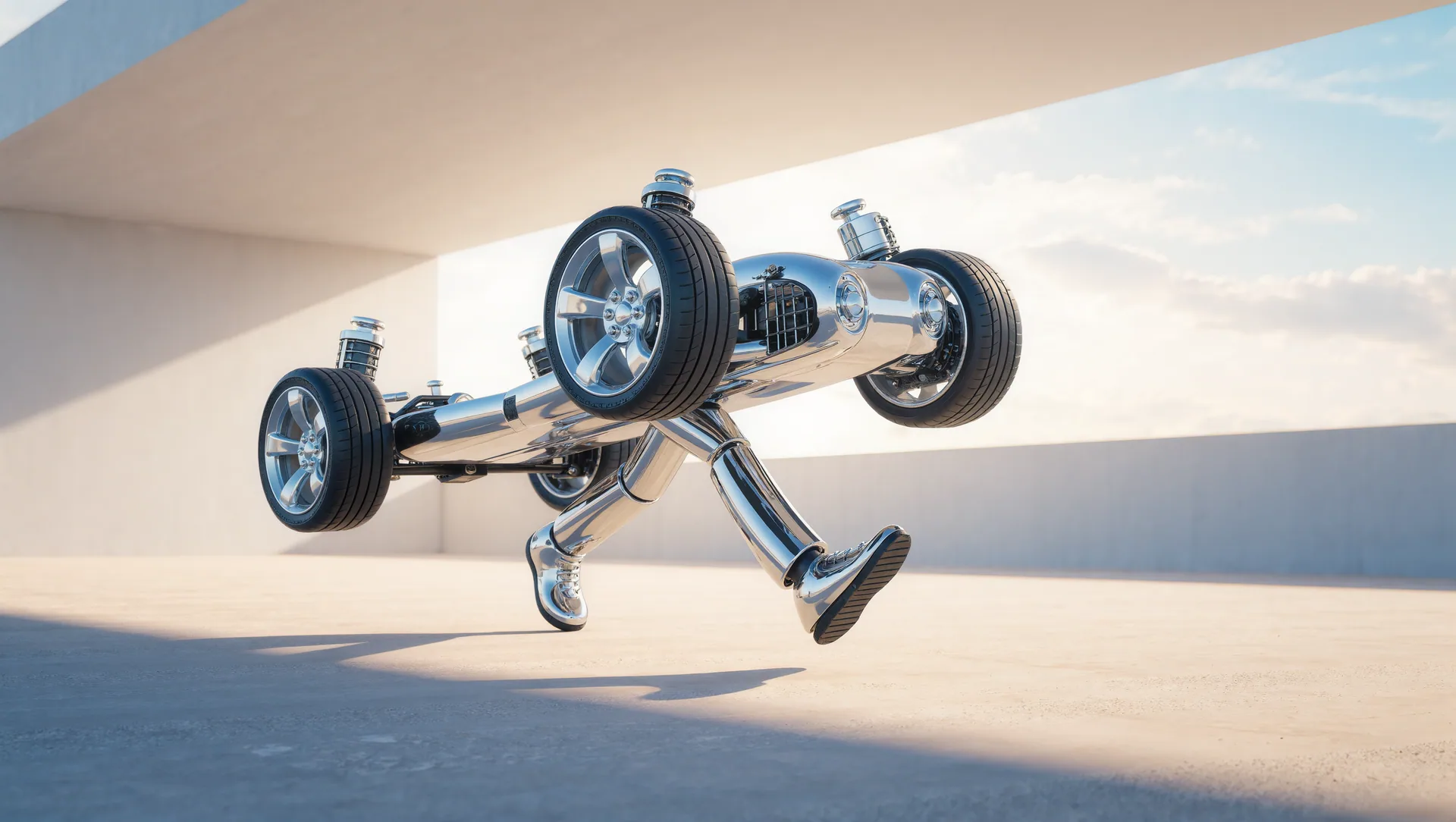
Deep learning is a subset of artificial intelligence (AI) that emulates human brain function to process data and identify patterns for decision-making. It employs multi-layered neural networks that enable machines to learn from extensive datasets. This technology has experienced substantial growth recently, revolutionizing industries through more precise predictions, enhanced automation, and improved user experiences.
Understanding deep learning is fundamental to robotics development, as it provides the foundation for creating intelligent robotic systems. Deep learning has created significant opportunities for innovation in robotics. By implementing this technology, robots can execute complex tasks with increased efficiency and accuracy.
Incorporating deep learning into robotics not only expands their capabilities but also facilitates more natural human-robot interaction. Examining the progression of robotics and deep learning's influence reveals how these technological advancements are transforming the future of automation and intelligent systems.
Robotics has come a long way since its inception in the early 20th century. Initially, robots were simple machines designed for repetitive tasks in manufacturing settings. Over the decades, advancements in technology have led to the development of more sophisticated robots capable of performing a wider range of functions.
The introduction of microcontrollers and sensors allowed robots to interact with their environment, paving the way for more autonomous systems. In recent years, the evolution of robotics has accelerated due to breakthroughs in AI and machine learning. Robots are no longer confined to industrial applications; they are now being utilized in healthcare, agriculture, logistics, and even domestic settings.
This shift has been driven by the need for increased efficiency and productivity across various sectors. As robots become more versatile and intelligent, they are poised to play an even more significant role in our daily lives.
Deep learning plays a pivotal role in enhancing the capabilities of modern robots. By enabling machines to learn from data, deep learning allows robots to recognize patterns, make decisions, and adapt to new situations. This technology empowers robots to process visual information, understand natural language, and even predict outcomes based on historical data.
As a result, robots equipped with deep learning algorithms can perform tasks that were once thought to be exclusive to humans. One of the most significant contributions of deep learning to robotics is its ability to improve perception. Robots can analyze images and videos in real-time, allowing them to navigate complex environments and interact with objects more effectively.
For instance, autonomous vehicles rely on deep learning to interpret sensor data and make driving decisions. This capability not only enhances safety but also increases the efficiency of robotic systems across various applications.
The integration of deep learning into robotics offers numerous advantages that significantly enhance their performance. One key benefit is improved accuracy in task execution. Deep learning algorithms can analyze vast datasets to identify patterns and make predictions with remarkable precision.
This level of accuracy is crucial in applications such as medical surgery or autonomous driving, where even minor errors can have serious consequences. Another advantage is the ability to learn from experience. Traditional programming methods require explicit instructions for every possible scenario a robot may encounter.
In contrast, deep learning enables robots to learn from their interactions with the environment. This adaptability allows them to improve their performance over time, making them more efficient and effective in their designated tasks.
Deep learning has found applications across various fields within robotics, revolutionizing how tasks are performed. In healthcare, robotic surgical systems utilize deep learning algorithms to assist surgeons with precision and accuracy during complex procedures. These systems can analyze patient data and provide real-time feedback, enhancing surgical outcomes.
In agriculture, deep learning-powered robots are used for tasks such as crop monitoring and harvesting. These robots can analyze images captured by drones or cameras to assess crop health and determine the optimal time for harvesting. This application not only increases efficiency but also reduces waste by ensuring that crops are harvested at their peak quality.
Despite its many advantages, the integration of deep learning into robotics is not without challenges. Collecting and annotating this data can be time-consuming and expensive, particularly in specialized fields like healthcare or autonomous driving. This limitation poses challenges for deploying robots in real-time applications where quick decision-making is essential. Furthermore, there is a risk of overfitting, where a model performs well on training data but fails to generalize to new situations.
Several deep learning algorithms are commonly used in robotics to enhance performance and capabilities. Convolutional Neural Networks (CNNs) are particularly effective for image processing tasks, enabling robots to recognize objects and navigate environments based on visual input. Recurrent Neural Networks (RNNs) are useful for tasks involving sequential data, such as natural language processing or time-series analysis.
Reinforcement learning is another powerful approach that allows robots to learn through trial and error. By receiving feedback from their actions, robots can optimize their behavior over time, making them more efficient in completing tasks. These algorithms form the backbone of many advanced robotic systems today, driving innovation across various industries.
Numerous case studies highlight the successful implementation of deep learning in robotics across different sectors. One notable example is Boston Dynamics' Spot robot, which utilizes deep learning algorithms for navigation and obstacle avoidance. Spot can traverse complex terrains while adapting its movements based on real-time feedback from its environment.
In healthcare, the da Vinci Surgical System exemplifies how deep learning enhances surgical precision. This robotic system assists surgeons by providing real-time imaging and analytics during procedures, resulting in improved patient outcomes and reduced recovery times. These case studies demonstrate the transformative impact of deep learning on robotic capabilities and applications.
The future of robotics is poised for significant advancements driven by deep learning technologies. One emerging trend is the development of collaborative robots (cobots) that work alongside humans in various settings. These robots will leverage deep learning to understand human behavior and adapt their actions accordingly, enhancing workplace safety and productivity.
Another trend is the integration of edge computing with deep learning in robotics. By processing data closer to the source rather than relying on cloud computing, robots can make faster decisions and operate more efficiently in real-time applications. This shift will enable more autonomous systems capable of functioning independently in dynamic environments.
As deep learning continues to shape the future of robotics, ethical considerations must be addressed. One primary concern is the potential for bias in algorithms trained on historical data that may reflect societal inequalities. Ensuring fairness and transparency in AI systems is crucial to prevent discrimination against certain groups.
Additionally, the increasing autonomy of robots raises questions about accountability and responsibility for their actions. As robots become more integrated into society, establishing clear guidelines for their use will be essential to ensure safety and ethical standards are maintained.
In conclusion, deep learning has profoundly impacted the field of robotics, enhancing capabilities and enabling new applications across various industries. As we continue to explore this intersection between AI and robotics, it is clear that deep learning will play a crucial role in shaping the future landscape of automation and intelligent systems. The ongoing evolution of robotics powered by deep learning presents exciting opportunities for innovation while also posing challenges that must be addressed responsibly.
By embracing these advancements thoughtfully, we can harness the full potential of robotics to improve efficiency, safety, and quality of life across the globe.
Understanding deep learning is fundamental to robotics development, as it provides the foundation for creating intelligent robotic systems. Deep learning has created significant opportunities for innovation in robotics. By implementing this technology, robots can execute complex tasks with increased efficiency and accuracy.
Incorporating deep learning into robotics not only expands their capabilities but also facilitates more natural human-robot interaction. Examining the progression of robotics and deep learning's influence reveals how these technological advancements are transforming the future of automation and intelligent systems.
Key Takeaways
- Deep learning significantly enhances robotic perception, decision-making, and adaptability.
- Robotics has evolved from simple automation to intelligent systems powered by AI and deep learning.
- Key applications include autonomous navigation, object recognition, and human-robot interaction.
- Challenges include data requirements, computational costs, and ethical concerns like privacy and bias.
- Future trends point to more autonomous, efficient, and ethically-aware robotic systems driven by advanced deep learning algorithms.
The Evolution of Robotics
Robotics has come a long way since its inception in the early 20th century. Initially, robots were simple machines designed for repetitive tasks in manufacturing settings. Over the decades, advancements in technology have led to the development of more sophisticated robots capable of performing a wider range of functions.
The introduction of microcontrollers and sensors allowed robots to interact with their environment, paving the way for more autonomous systems. In recent years, the evolution of robotics has accelerated due to breakthroughs in AI and machine learning. Robots are no longer confined to industrial applications; they are now being utilized in healthcare, agriculture, logistics, and even domestic settings.
This shift has been driven by the need for increased efficiency and productivity across various sectors. As robots become more versatile and intelligent, they are poised to play an even more significant role in our daily lives.
The Role of Deep Learning in Robotics
Deep learning plays a pivotal role in enhancing the capabilities of modern robots. By enabling machines to learn from data, deep learning allows robots to recognize patterns, make decisions, and adapt to new situations. This technology empowers robots to process visual information, understand natural language, and even predict outcomes based on historical data.
As a result, robots equipped with deep learning algorithms can perform tasks that were once thought to be exclusive to humans. One of the most significant contributions of deep learning to robotics is its ability to improve perception. Robots can analyze images and videos in real-time, allowing them to navigate complex environments and interact with objects more effectively.
For instance, autonomous vehicles rely on deep learning to interpret sensor data and make driving decisions. This capability not only enhances safety but also increases the efficiency of robotic systems across various applications.
Advantages of Using Deep Learning in Robotics
The integration of deep learning into robotics offers numerous advantages that significantly enhance their performance. One key benefit is improved accuracy in task execution. Deep learning algorithms can analyze vast datasets to identify patterns and make predictions with remarkable precision.
This level of accuracy is crucial in applications such as medical surgery or autonomous driving, where even minor errors can have serious consequences. Another advantage is the ability to learn from experience. Traditional programming methods require explicit instructions for every possible scenario a robot may encounter.
In contrast, deep learning enables robots to learn from their interactions with the environment. This adaptability allows them to improve their performance over time, making them more efficient and effective in their designated tasks.
Applications of Deep Learning in Robotics
Deep learning has found applications across various fields within robotics, revolutionizing how tasks are performed. In healthcare, robotic surgical systems utilize deep learning algorithms to assist surgeons with precision and accuracy during complex procedures. These systems can analyze patient data and provide real-time feedback, enhancing surgical outcomes.
In agriculture, deep learning-powered robots are used for tasks such as crop monitoring and harvesting. These robots can analyze images captured by drones or cameras to assess crop health and determine the optimal time for harvesting. This application not only increases efficiency but also reduces waste by ensuring that crops are harvested at their peak quality.
Challenges and Limitations of Deep Learning in Robotics
Despite its many advantages, the integration of deep learning into robotics is not without challenges. Collecting and annotating this data can be time-consuming and expensive, particularly in specialized fields like healthcare or autonomous driving. This limitation poses challenges for deploying robots in real-time applications where quick decision-making is essential. Furthermore, there is a risk of overfitting, where a model performs well on training data but fails to generalize to new situations.
Deep Learning Algorithms for Robotics
Several deep learning algorithms are commonly used in robotics to enhance performance and capabilities. Convolutional Neural Networks (CNNs) are particularly effective for image processing tasks, enabling robots to recognize objects and navigate environments based on visual input. Recurrent Neural Networks (RNNs) are useful for tasks involving sequential data, such as natural language processing or time-series analysis.
Reinforcement learning is another powerful approach that allows robots to learn through trial and error. By receiving feedback from their actions, robots can optimize their behavior over time, making them more efficient in completing tasks. These algorithms form the backbone of many advanced robotic systems today, driving innovation across various industries.
Case Studies of Successful Implementation of Deep Learning in Robotics
Numerous case studies highlight the successful implementation of deep learning in robotics across different sectors. One notable example is Boston Dynamics' Spot robot, which utilizes deep learning algorithms for navigation and obstacle avoidance. Spot can traverse complex terrains while adapting its movements based on real-time feedback from its environment.
In healthcare, the da Vinci Surgical System exemplifies how deep learning enhances surgical precision. This robotic system assists surgeons by providing real-time imaging and analytics during procedures, resulting in improved patient outcomes and reduced recovery times. These case studies demonstrate the transformative impact of deep learning on robotic capabilities and applications.
Future Trends in Revolutionizing Robotics with Deep Learning
The future of robotics is poised for significant advancements driven by deep learning technologies. One emerging trend is the development of collaborative robots (cobots) that work alongside humans in various settings. These robots will leverage deep learning to understand human behavior and adapt their actions accordingly, enhancing workplace safety and productivity.
Another trend is the integration of edge computing with deep learning in robotics. By processing data closer to the source rather than relying on cloud computing, robots can make faster decisions and operate more efficiently in real-time applications. This shift will enable more autonomous systems capable of functioning independently in dynamic environments.
Ethical Considerations in the Use of Deep Learning in Robotics
As deep learning continues to shape the future of robotics, ethical considerations must be addressed. One primary concern is the potential for bias in algorithms trained on historical data that may reflect societal inequalities. Ensuring fairness and transparency in AI systems is crucial to prevent discrimination against certain groups.
Additionally, the increasing autonomy of robots raises questions about accountability and responsibility for their actions. As robots become more integrated into society, establishing clear guidelines for their use will be essential to ensure safety and ethical standards are maintained.
The Impact of Deep Learning on the Future of Robotics
In conclusion, deep learning has profoundly impacted the field of robotics, enhancing capabilities and enabling new applications across various industries. As we continue to explore this intersection between AI and robotics, it is clear that deep learning will play a crucial role in shaping the future landscape of automation and intelligent systems. The ongoing evolution of robotics powered by deep learning presents exciting opportunities for innovation while also posing challenges that must be addressed responsibly.
By embracing these advancements thoughtfully, we can harness the full potential of robotics to improve efficiency, safety, and quality of life across the globe.
FAQs
What is deep learning in robotics?
Deep learning in robotics refers to the use of deep neural networks to enable robots to learn from large amounts of data, improving their ability to perceive, understand, and interact with their environment autonomously.How does deep learning improve robotic perception?
Deep learning enhances robotic perception by enabling robots to process complex sensory data such as images, audio, and sensor readings, allowing for better object recognition, scene understanding, and decision-making.What are common applications of deep learning in robotics?
Common applications include autonomous navigation, robotic manipulation, speech recognition, human-robot interaction, and real-time decision-making in dynamic environments.What types of neural networks are used in deep learning robotics?
Convolutional Neural Networks (CNNs) are widely used for visual perception tasks, Recurrent Neural Networks (RNNs) and Long Short-Term Memory (LSTM) networks for sequential data processing, and Reinforcement Learning models for decision-making and control.What challenges exist in applying deep learning to robotics?
Challenges include the need for large labeled datasets, real-time processing constraints, transferability of learned models to different environments, and ensuring safety and reliability in unpredictable real-world scenarios.How does reinforcement learning relate to deep learning in robotics?
Reinforcement learning, often combined with deep learning (deep reinforcement learning), allows robots to learn optimal actions through trial and error by receiving feedback from their environment, improving autonomous decision-making.Can deep learning enable robots to learn new tasks without explicit programming?
Yes, deep learning allows robots to learn new tasks by generalizing from data and experiences rather than relying solely on pre-programmed instructions, enabling adaptability and flexibility.What hardware is typically used to support deep learning in robotics?
Robots often use GPUs (Graphics Processing Units), TPUs (Tensor Processing Units), or specialized AI accelerators to handle the computational demands of deep learning algorithms in real-time.Is deep learning robotics used in industry today?
Yes, deep learning robotics is actively used in industries such as manufacturing, logistics, healthcare, agriculture, and autonomous vehicles to improve efficiency, accuracy, and safety.What is the future outlook for deep learning in robotics?
The future of deep learning in robotics includes more advanced autonomous systems, improved human-robot collaboration, enhanced adaptability to complex environments, and broader deployment across various sectors.More in
More from Robotic
Robotic · 9 min
Robotic Precision: The Future of Automation
Robotic precision refers to the ability of automated systems to perform tasks with extremely high accuracy and repeatability. Modern industrial robots…
Robotic · 8 min
Advancements in Robotic Motion Control
Robotic motion control is a fundamental technology in modern automation systems that enables robots to execute precise movements through sophisticated…

Robotic · 9 min
Efficient Robotic Path Planning for Improved Navigation
Robotic path planning constitutes a fundamental component of robotics engineering that focuses on calculating optimal trajectories for robots to move …