Robotic · Robotic
Revolutionizing Robotics: Cutting-Edge Hardware Innovations
Robotics technology is experiencing significant advancement through new hardware developments that are changing automation and machine intelligence capabilities. These improvements…

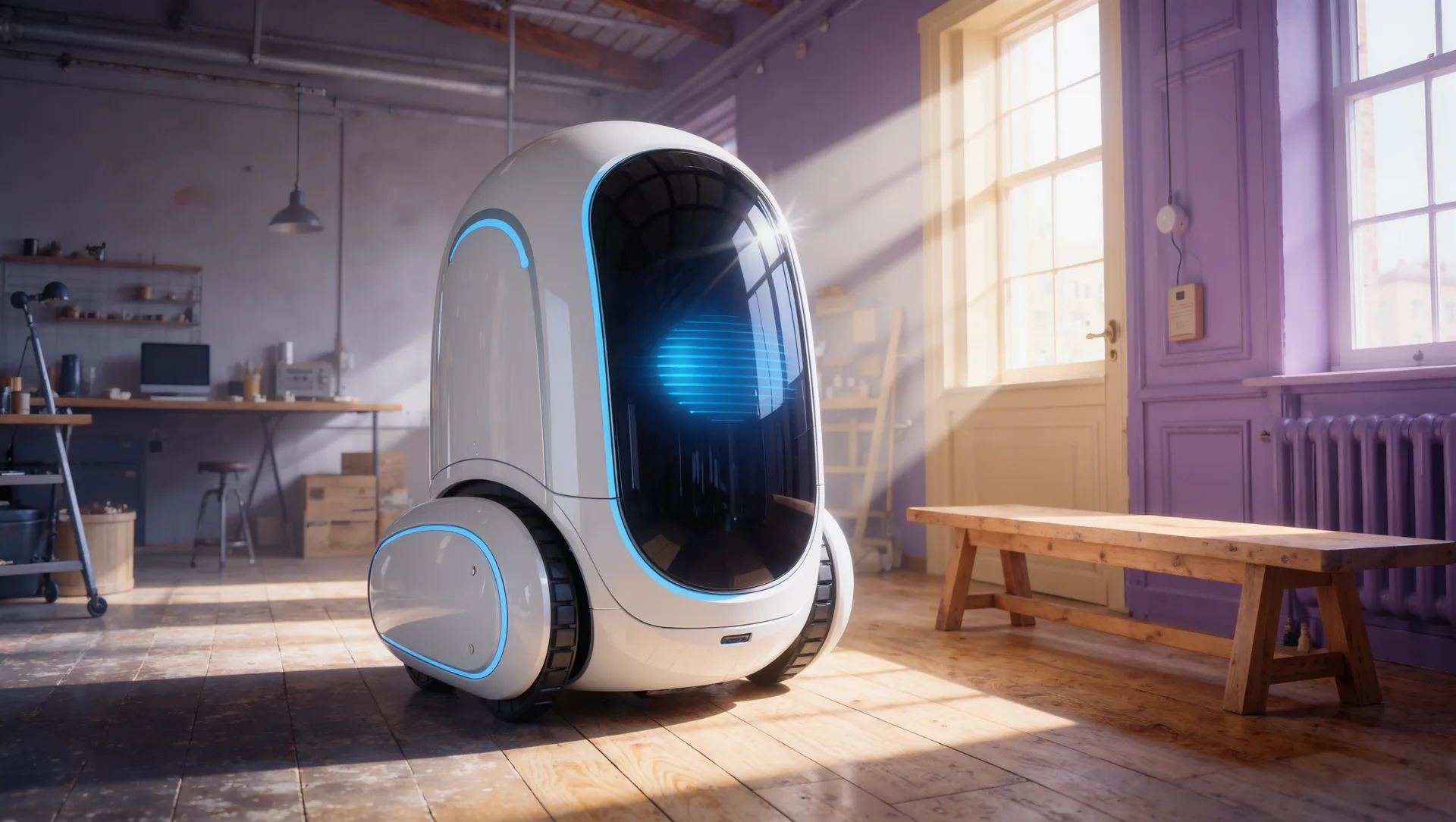
Robotics technology is experiencing significant advancement through new hardware developments that are changing automation and machine intelligence capabilities. Manufacturing and healthcare sectors are implementing advanced hardware systems that enable robots to execute tasks with improved precision, efficiency, and operational flexibility.
Current robotic hardware innovations focus on expanding performance capabilities while creating new application possibilities. The integration of advanced materials, artificial intelligence systems, and engineering design methods is producing robots capable of learning, environmental adaptation, and interaction patterns that approximate human functions. This analysis examines these technological developments and their potential impact on robotics advancement.
One of the most significant advancements in robotics is the evolution of sensing and perception technologies. Modern robots are equipped with an array of sensors that allow them to perceive their surroundings with remarkable accuracy. These sensors include cameras, LiDAR, ultrasonic sensors, and tactile sensors, each contributing to a robot's ability to gather data about its environment.
The integration of these sensing technologies enables robots to navigate complex environments, recognize objects, and even interpret human emotions. The ability to perceive and interpret data in real-time enhances a robot's decision-making capabilities, making them more autonomous and efficient.
Moreover, advancements in machine learning algorithms have significantly improved the processing of sensory data. Robots can now learn from their experiences, refining their perception over time. This capability not only enhances their operational efficiency but also allows them to adapt to new tasks and environments seamlessly.
Artificial intelligence (AI) is revolutionizing robotic hardware by enabling machines to perform complex tasks that require cognitive functions. The integration of AI algorithms into robotic systems allows for enhanced decision-making, learning, and adaptability. This synergy between AI and robotics is creating machines that can operate autonomously in dynamic environments.
AI-driven robotics can analyze vast amounts of data from their sensors, making real-time decisions based on that information. For example, in manufacturing settings, AI-powered robots can optimize production processes by adjusting their actions based on real-time feedback. This leads to increased efficiency and reduced operational costs.
Furthermore, AI enhances the interaction between humans and robots. With natural language processing capabilities, robots can understand and respond to human commands more intuitively. This fosters a collaborative environment where humans and robots work together seamlessly, enhancing productivity across various sectors.
Advanced actuators and motors are at the heart of robotic movement and functionality. These components convert electrical energy into mechanical motion, allowing robots to perform a wide range of tasks with precision and speed. Recent innovations in actuator technology have led to the development of more efficient, compact, and powerful motors.
For instance, brushless DC motors are becoming increasingly popular in robotics due to their high efficiency and reliability. These motors provide precise control over speed and torque, making them ideal for applications requiring fine motor skills, such as robotic surgery or delicate assembly tasks. Additionally, advancements in soft robotics have introduced flexible actuators that mimic biological movements.
These soft actuators enable robots to navigate through tight spaces or handle fragile objects without causing damage. The versatility offered by advanced actuators is expanding the potential applications of robotics across various industries.
Robotic mobility is a critical aspect that determines how effectively a robot can navigate its environment. State-of-the-art locomotion systems are being developed to enhance the agility and versatility of robots. Traditional wheeled or tracked systems are being complemented by innovative designs such as legged locomotion, drones, and even hybrid systems.
Legged robots, inspired by animals, can traverse uneven terrain and navigate obstacles with ease. These robots utilize advanced algorithms for balance and coordination, allowing them to mimic natural movement patterns. This capability is particularly valuable in search-and-rescue operations or exploration missions in challenging environments.
Drones represent another significant advancement in robotic mobility. Equipped with advanced navigation systems and sensors, drones can access hard-to-reach areas quickly and efficiently. Their ability to fly opens up new possibilities for applications ranging from aerial surveillance to agricultural monitoring.
The choice of materials used in robotic hardware plays a crucial role in determining performance, durability, and weight. Recent innovations in materials science have led to the development of lightweight yet strong materials that enhance the overall efficiency of robotic systems. For example, carbon fiber composites are increasingly being used in robotic structures due to their high strength-to-weight ratio.
Additionally, smart materials that can change properties in response to external stimuli are gaining traction in robotics. These materials can enable robots to adapt their shape or stiffness based on environmental conditions or task requirements. Such adaptability enhances a robot's functionality and allows for more versatile applications.
The integration of advanced materials not only improves performance but also contributes to energy efficiency. Lighter robots require less power to operate, extending battery life and reducing operational costs. As material technology continues to evolve, we can expect even more innovative solutions that will redefine the capabilities of robotic hardware.
Power management is a critical consideration in the design of robotic systems. Innovations in energy storage and management technologies are enabling robots to operate longer and more efficiently. Traditional battery systems are being replaced or supplemented with advanced energy solutions such as fuel cells and supercapacitors.
Fuel cells offer a clean energy source with high energy density, allowing robots to operate for extended periods without frequent recharging. This is particularly beneficial for applications requiring long-duration missions, such as autonomous vehicles or drones used for environmental monitoring. Moreover, advancements in energy harvesting technologies are allowing robots to generate power from their environment.
For instance, some robots can harness solar energy or kinetic energy from their movements to recharge their batteries. This self-sustaining capability reduces reliance on external power sources and enhances operational flexibility.
Robotic manipulators and end effectors are essential components that enable robots to interact with objects in their environment. Recent advancements have led to the development of more sophisticated manipulators capable of performing complex tasks with precision. These innovations include multi-fingered grippers that mimic human dexterity and specialized tools designed for specific applications.
The evolution of robotic manipulators has been driven by the need for versatility in various industries. For example, collaborative robots (cobots) are designed to work alongside humans safely. Their manipulators are equipped with advanced sensors that allow them to detect human presence and adjust their movements accordingly.
End effectors have also seen significant advancements with the integration of AI and machine learning algorithms. These technologies enable robots to learn how to grasp different objects effectively based on their shape, weight, and material properties. This adaptability enhances a robot's ability to perform tasks across diverse applications.
Human-machine interaction (HMI) is a critical aspect of robotic hardware design. As robots become more integrated into our daily lives, ensuring intuitive interaction between humans and machines is paramount. Innovations in HMI technologies are enhancing user experience by making it easier for individuals to communicate with robots.
Natural language processing (NLP) is one area where significant progress has been made. Robots equipped with NLP capabilities can understand spoken commands and respond appropriately, making them more user-friendly. This technology is particularly valuable in service-oriented applications where effective communication is essential.
Moreover, advancements in haptic feedback systems allow users to feel sensations when interacting with robotic systems. This tactile feedback enhances the sense of control and precision during tasks such as remote surgery or teleoperation in hazardous environments.
The future of robotic hardware is poised for exciting developments driven by emerging trends and technologies. One notable trend is the increasing focus on sustainability within robotics design. As environmental concerns grow, researchers are exploring eco-friendly materials and energy-efficient designs that minimize the ecological footprint of robotic systems.
Another emerging trend is the rise of swarm robotics, where multiple robots work collaboratively to achieve common goals. This approach leverages collective intelligence and distributed processing power, enabling robots to tackle complex tasks more efficiently than individual units could achieve alone. Additionally, advancements in quantum computing may revolutionize robotic hardware by providing unprecedented processing power for complex algorithms.
This could lead to breakthroughs in areas such as real-time decision-making and advanced machine learning capabilities.
In conclusion, cutting-edge hardware innovations are fundamentally transforming the robotics industry by enhancing performance, adaptability, and user interaction. From advancements in sensing technologies to the integration of AI and advanced materials, these developments are paving the way for a new era of intelligent machines capable of performing complex tasks across various sectors. As we look ahead, it is clear that the implications of these innovations extend beyond mere technological advancements; they hold the potential to reshape industries, improve efficiency, and enhance our daily lives.
Embracing these changes will be crucial for businesses seeking to leverage robotics for competitive advantage in an increasingly automated world. The future promises even more exciting developments as researchers continue to push the boundaries of what is possible in robotic hardware design. By staying informed about these trends and innovations, stakeholders can position themselves at the forefront of this rapidly evolving field.
Current robotic hardware innovations focus on expanding performance capabilities while creating new application possibilities. The integration of advanced materials, artificial intelligence systems, and engineering design methods is producing robots capable of learning, environmental adaptation, and interaction patterns that approximate human functions. This analysis examines these technological developments and their potential impact on robotics advancement.
Key Takeaways
- Cutting-edge hardware innovations are driving significant advancements in robotics capabilities and applications.
- Enhanced sensing, perception, and AI integration are enabling robots to operate more autonomously and intelligently.
- Advanced actuators, motors, and locomotion systems are improving robot mobility and precision.
- The use of novel materials and improved power management is increasing robot efficiency and durability.
- Human-machine interaction developments and emerging technologies are shaping the future landscape of robotic hardware.
Advancements in Sensing and Perception Technologies for Robotics
One of the most significant advancements in robotics is the evolution of sensing and perception technologies. Modern robots are equipped with an array of sensors that allow them to perceive their surroundings with remarkable accuracy. These sensors include cameras, LiDAR, ultrasonic sensors, and tactile sensors, each contributing to a robot's ability to gather data about its environment.
The integration of these sensing technologies enables robots to navigate complex environments, recognize objects, and even interpret human emotions. The ability to perceive and interpret data in real-time enhances a robot's decision-making capabilities, making them more autonomous and efficient.
Moreover, advancements in machine learning algorithms have significantly improved the processing of sensory data. Robots can now learn from their experiences, refining their perception over time. This capability not only enhances their operational efficiency but also allows them to adapt to new tasks and environments seamlessly.
The Impact of Artificial Intelligence on Robotic Hardware
Artificial intelligence (AI) is revolutionizing robotic hardware by enabling machines to perform complex tasks that require cognitive functions. The integration of AI algorithms into robotic systems allows for enhanced decision-making, learning, and adaptability. This synergy between AI and robotics is creating machines that can operate autonomously in dynamic environments.
AI-driven robotics can analyze vast amounts of data from their sensors, making real-time decisions based on that information. For example, in manufacturing settings, AI-powered robots can optimize production processes by adjusting their actions based on real-time feedback. This leads to increased efficiency and reduced operational costs.
Furthermore, AI enhances the interaction between humans and robots. With natural language processing capabilities, robots can understand and respond to human commands more intuitively. This fosters a collaborative environment where humans and robots work together seamlessly, enhancing productivity across various sectors.
The Role of Advanced Actuators and Motors in Robotics
Advanced actuators and motors are at the heart of robotic movement and functionality. These components convert electrical energy into mechanical motion, allowing robots to perform a wide range of tasks with precision and speed. Recent innovations in actuator technology have led to the development of more efficient, compact, and powerful motors.
For instance, brushless DC motors are becoming increasingly popular in robotics due to their high efficiency and reliability. These motors provide precise control over speed and torque, making them ideal for applications requiring fine motor skills, such as robotic surgery or delicate assembly tasks. Additionally, advancements in soft robotics have introduced flexible actuators that mimic biological movements.
These soft actuators enable robots to navigate through tight spaces or handle fragile objects without causing damage. The versatility offered by advanced actuators is expanding the potential applications of robotics across various industries.
Enhancing Robotic Mobility with State-of-the-Art Locomotion Systems
Robotic mobility is a critical aspect that determines how effectively a robot can navigate its environment. State-of-the-art locomotion systems are being developed to enhance the agility and versatility of robots. Traditional wheeled or tracked systems are being complemented by innovative designs such as legged locomotion, drones, and even hybrid systems.
Legged robots, inspired by animals, can traverse uneven terrain and navigate obstacles with ease. These robots utilize advanced algorithms for balance and coordination, allowing them to mimic natural movement patterns. This capability is particularly valuable in search-and-rescue operations or exploration missions in challenging environments.
Drones represent another significant advancement in robotic mobility. Equipped with advanced navigation systems and sensors, drones can access hard-to-reach areas quickly and efficiently. Their ability to fly opens up new possibilities for applications ranging from aerial surveillance to agricultural monitoring.
The Integration of Advanced Materials in Robotic Hardware
The choice of materials used in robotic hardware plays a crucial role in determining performance, durability, and weight. Recent innovations in materials science have led to the development of lightweight yet strong materials that enhance the overall efficiency of robotic systems. For example, carbon fiber composites are increasingly being used in robotic structures due to their high strength-to-weight ratio.
Additionally, smart materials that can change properties in response to external stimuli are gaining traction in robotics. These materials can enable robots to adapt their shape or stiffness based on environmental conditions or task requirements. Such adaptability enhances a robot's functionality and allows for more versatile applications.
The integration of advanced materials not only improves performance but also contributes to energy efficiency. Lighter robots require less power to operate, extending battery life and reducing operational costs. As material technology continues to evolve, we can expect even more innovative solutions that will redefine the capabilities of robotic hardware.
Innovations in Power and Energy Management for Robotic Systems
Power management is a critical consideration in the design of robotic systems. Innovations in energy storage and management technologies are enabling robots to operate longer and more efficiently. Traditional battery systems are being replaced or supplemented with advanced energy solutions such as fuel cells and supercapacitors.
Fuel cells offer a clean energy source with high energy density, allowing robots to operate for extended periods without frequent recharging. This is particularly beneficial for applications requiring long-duration missions, such as autonomous vehicles or drones used for environmental monitoring. Moreover, advancements in energy harvesting technologies are allowing robots to generate power from their environment.
For instance, some robots can harness solar energy or kinetic energy from their movements to recharge their batteries. This self-sustaining capability reduces reliance on external power sources and enhances operational flexibility.
The Evolution of Robotic Manipulators and End Effectors
Robotic manipulators and end effectors are essential components that enable robots to interact with objects in their environment. Recent advancements have led to the development of more sophisticated manipulators capable of performing complex tasks with precision. These innovations include multi-fingered grippers that mimic human dexterity and specialized tools designed for specific applications.
The evolution of robotic manipulators has been driven by the need for versatility in various industries. For example, collaborative robots (cobots) are designed to work alongside humans safely. Their manipulators are equipped with advanced sensors that allow them to detect human presence and adjust their movements accordingly.
End effectors have also seen significant advancements with the integration of AI and machine learning algorithms. These technologies enable robots to learn how to grasp different objects effectively based on their shape, weight, and material properties. This adaptability enhances a robot's ability to perform tasks across diverse applications.
The Influence of Human-Machine Interaction on Robotic Hardware
Human-machine interaction (HMI) is a critical aspect of robotic hardware design. As robots become more integrated into our daily lives, ensuring intuitive interaction between humans and machines is paramount. Innovations in HMI technologies are enhancing user experience by making it easier for individuals to communicate with robots.
Natural language processing (NLP) is one area where significant progress has been made. Robots equipped with NLP capabilities can understand spoken commands and respond appropriately, making them more user-friendly. This technology is particularly valuable in service-oriented applications where effective communication is essential.
Moreover, advancements in haptic feedback systems allow users to feel sensations when interacting with robotic systems. This tactile feedback enhances the sense of control and precision during tasks such as remote surgery or teleoperation in hazardous environments.
The Future of Robotic Hardware: Emerging Trends and Technologies
The future of robotic hardware is poised for exciting developments driven by emerging trends and technologies. One notable trend is the increasing focus on sustainability within robotics design. As environmental concerns grow, researchers are exploring eco-friendly materials and energy-efficient designs that minimize the ecological footprint of robotic systems.
Another emerging trend is the rise of swarm robotics, where multiple robots work collaboratively to achieve common goals. This approach leverages collective intelligence and distributed processing power, enabling robots to tackle complex tasks more efficiently than individual units could achieve alone. Additionally, advancements in quantum computing may revolutionize robotic hardware by providing unprecedented processing power for complex algorithms.
This could lead to breakthroughs in areas such as real-time decision-making and advanced machine learning capabilities.
The Implications of Cutting-Edge Hardware Innovations for the Robotics Industry
In conclusion, cutting-edge hardware innovations are fundamentally transforming the robotics industry by enhancing performance, adaptability, and user interaction. From advancements in sensing technologies to the integration of AI and advanced materials, these developments are paving the way for a new era of intelligent machines capable of performing complex tasks across various sectors. As we look ahead, it is clear that the implications of these innovations extend beyond mere technological advancements; they hold the potential to reshape industries, improve efficiency, and enhance our daily lives.
Embracing these changes will be crucial for businesses seeking to leverage robotics for competitive advantage in an increasingly automated world. The future promises even more exciting developments as researchers continue to push the boundaries of what is possible in robotic hardware design. By staying informed about these trends and innovations, stakeholders can position themselves at the forefront of this rapidly evolving field.
FAQs
What is robotic hardware?
Robotic hardware refers to the physical components and devices that make up a robot. This includes sensors, actuators, controllers, power supplies, and structural elements that enable the robot to perform tasks.What are the main components of robotic hardware?
The main components typically include sensors (for detecting the environment), actuators (motors and servos for movement), controllers (microprocessors or computers for processing), power sources (batteries or wired power), and the mechanical structure or chassis.What types of sensors are used in robotic hardware?
Common sensors include proximity sensors, cameras, infrared sensors, ultrasonic sensors, gyroscopes, accelerometers, and tactile sensors. These help robots perceive their surroundings and make decisions.What role do actuators play in robotic hardware?
Actuators convert electrical signals into physical movement. They include electric motors, hydraulic cylinders, and pneumatic actuators, enabling robots to move limbs, wheels, or other parts.How is robotic hardware powered?
Robotic hardware can be powered by batteries, electrical outlets, solar panels, or other energy sources depending on the robot’s design and application.What materials are commonly used in robotic hardware?
Materials such as aluminum, steel, plastics, and composites are commonly used for structural parts. The choice depends on factors like strength, weight, and cost.How does robotic hardware differ from robotic software?
Robotic hardware refers to the physical parts of a robot, while robotic software consists of the programs and algorithms that control the robot’s behavior and processing.Can robotic hardware be customized?
Yes, robotic hardware can be customized to suit specific tasks or environments by selecting different sensors, actuators, and structural designs.What industries use robotic hardware?
Robotic hardware is used in manufacturing, healthcare, agriculture, defense, logistics, and many other industries to automate tasks and improve efficiency.How is robotic hardware maintained?
Maintenance involves regular inspection, cleaning, lubrication of moving parts, software updates, and replacement of worn or damaged components to ensure optimal performance.More in
More from Robotic
Robotic · 9 min
Robotic Precision: The Future of Automation
Robotic precision refers to the ability of automated systems to perform tasks with extremely high accuracy and repeatability. Modern industrial robots…
Robotic · 8 min
Advancements in Robotic Motion Control
Robotic motion control is a fundamental technology in modern automation systems that enables robots to execute precise movements through sophisticated…

Robotic · 9 min
Efficient Robotic Path Planning for Improved Navigation
Robotic path planning constitutes a fundamental component of robotics engineering that focuses on calculating optimal trajectories for robots to move …