Robotic · Robotic
Revolutionizing Industries with AI Robotics
Artificial Intelligence (AI) robotics combines advanced computing with mechanical engineering to create machines that perform tasks traditionally requiring human intelligence. This…

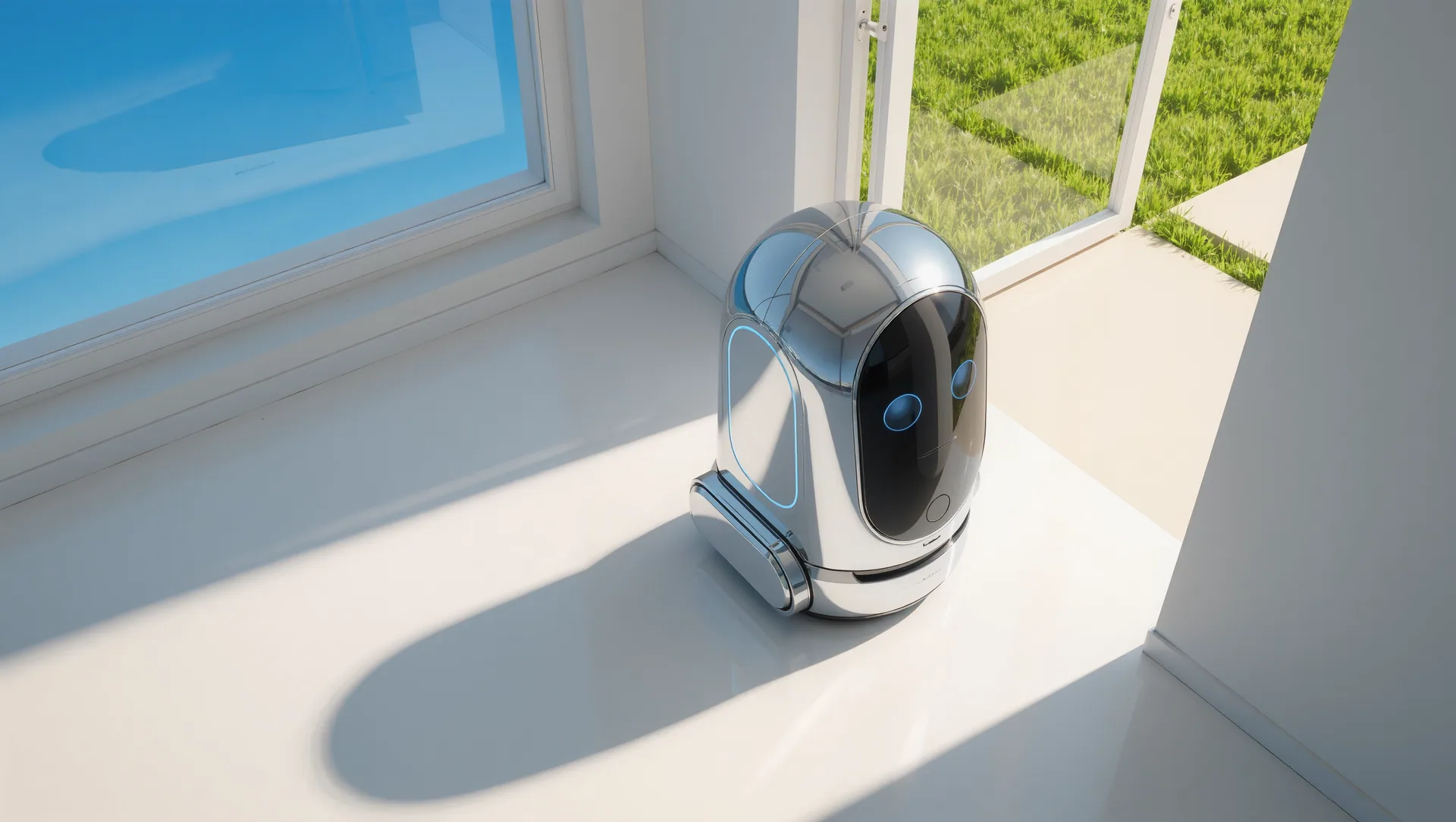
Artificial Intelligence (AI) robotics combines advanced computing with mechanical engineering to create machines that perform tasks traditionally requiring human intelligence. This field spans from basic automation to complex decision-making systems. As AI technology evolves, robots gain enhanced capabilities, delivering greater efficiency, precision, and productivity across multiple industries.
The AI-robotics integration represents a transformative technological development reshaping various sectors. By implementing machine learning, computer vision, and natural language processing, AI-powered robots can learn from their environments, adapt to changing conditions, and interact meaningfully with humans. This technological progression creates new opportunities to improve operational efficiency and enhance quality of life.
In the manufacturing sector, AI robotics has revolutionized production lines by introducing automation that enhances speed and accuracy. Robots equipped with AI can perform repetitive tasks with minimal error, significantly reducing the time required for assembly and quality control. This shift not only boosts productivity but also allows human workers to focus on more complex and creative tasks that require critical thinking.
Moreover, AI robotics in manufacturing enables predictive maintenance. By analyzing data from machinery, AI systems can predict when a machine is likely to fail, allowing for timely interventions that prevent costly downtimes. This proactive approach not only saves money but also extends the lifespan of equipment, making manufacturing processes more sustainable.
The healthcare industry is experiencing a significant transformation due to the integration of AI robotics. From surgical robots that assist surgeons with precision to robotic exoskeletons that aid in rehabilitation, the applications are vast and varied. These robots enhance surgical outcomes by providing greater dexterity and control, leading to less invasive procedures and quicker recovery times for patients.
Additionally, AI robots are being utilized in patient care settings. They can assist with routine tasks such as monitoring vital signs or delivering medications, allowing healthcare professionals to devote more time to direct patient interaction. This not only improves the quality of care but also enhances patient satisfaction by ensuring that their needs are met promptly and efficiently.
Agriculture is another sector where AI robotics is making a significant impact. Autonomous tractors and drones equipped with AI technology are transforming traditional farming practices. These machines can analyze soil conditions, monitor crop health, and optimize planting schedules, leading to increased yields and reduced resource consumption.
Furthermore, AI robotics can assist in pest control and harvesting. Robots can identify pests and diseases early on, allowing farmers to take action before significant damage occurs. During harvest season, robotic systems can work tirelessly to gather crops efficiently, reducing labor costs and ensuring that produce reaches the market in optimal condition.
The transportation industry is on the brink of a revolution thanks to AI robotics. Self-driving vehicles are becoming a reality, promising to enhance road safety and reduce traffic congestion. These vehicles utilize advanced sensors and algorithms to navigate complex environments, making real-time decisions that prioritize passenger safety.
Moreover, AI robotics is improving logistics and supply chain management. Automated delivery drones and robots streamline the process of transporting goods from warehouses to consumers. This not only speeds up delivery times but also reduces operational costs for businesses, ultimately benefiting consumers through lower prices and improved service.
In the retail sector, AI robotics is enhancing customer experiences and optimizing operations. Robots are being deployed for inventory management, ensuring that shelves are stocked efficiently and accurately. This reduces the likelihood of stockouts and improves overall customer satisfaction.
Additionally, AI-powered chatbots are transforming customer service by providing instant assistance to shoppers online. These virtual assistants can answer questions, recommend products, and even facilitate transactions, creating a seamless shopping experience. As retailers continue to adopt these technologies, they can expect increased sales and improved customer loyalty.
The construction industry is leveraging AI robotics to improve safety and efficiency on job sites. Drones equipped with AI can survey land and monitor construction progress from above, providing real-time data that helps project managers make informed decisions.
Robotic systems are also being used for tasks such as bricklaying and concrete pouring. These machines can work tirelessly in hazardous environments, reducing the risk of injury for human workers. By automating these labor-intensive tasks, construction companies can complete projects faster while maintaining high standards of quality.
AI robotics is making waves in the entertainment industry as well. From animatronic characters in theme parks to virtual reality experiences powered by AI-driven avatars, the possibilities are endless.
Moreover, AI robots are being used in film production for special effects and animation. They can generate realistic movements and expressions that bring characters to life on screen. As this technology continues to advance, we can expect even more innovative applications that push the boundaries of creativity in entertainment.
In the realm of security, AI robotics is playing a crucial role in enhancing safety measures across various environments. Surveillance drones equipped with AI can monitor large areas efficiently, detecting unusual activities or potential threats in real-time. This proactive approach allows security personnel to respond swiftly to incidents before they escalate.
Additionally, robotic security guards are being deployed in commercial spaces to patrol premises autonomously. These robots can navigate complex environments while utilizing advanced sensors to identify potential risks. By integrating AI into security operations, businesses can enhance their safety protocols while reducing reliance on human resources.
The education sector is also benefiting from the integration of AI robotics. Educational robots are being used as teaching aids in classrooms, helping students engage with complex subjects through interactive learning experiences. These robots can adapt their teaching methods based on individual student needs, promoting personalized learning.
Furthermore, AI-driven platforms are enhancing administrative tasks within educational institutions. From grading assignments to managing schedules, these systems streamline operations, allowing educators to focus more on teaching rather than administrative burdens. As educational institutions embrace these technologies, they can foster a more effective learning environment for students.
The future of AI robotics holds immense potential across various industries. As technology continues to advance, we can expect even greater integration of AI into robotic systems, leading to enhanced capabilities and efficiencies. The ongoing development of machine learning algorithms will enable robots to learn from their experiences and adapt to new challenges seamlessly.
As we look ahead, it is clear that AI robotics will play a pivotal role in shaping our world. From improving healthcare outcomes to revolutionizing manufacturing processes, the impact of this technology will be profound. Embracing these advancements will not only drive innovation but also create new opportunities for growth across multiple sectors.
The journey into the future of AI robotics is just beginning, and its possibilities are limitless.
The AI-robotics integration represents a transformative technological development reshaping various sectors. By implementing machine learning, computer vision, and natural language processing, AI-powered robots can learn from their environments, adapt to changing conditions, and interact meaningfully with humans. This technological progression creates new opportunities to improve operational efficiency and enhance quality of life.
Key Takeaways
- AI robotics is transforming multiple industries by enhancing efficiency and precision.
- In manufacturing and agriculture, AI robots optimize production and crop management.
- Healthcare and security sectors benefit from AI robotics through improved diagnostics and surveillance.
- Transportation and retail industries use AI robots for automation and customer service improvements.
- The future of AI robotics promises continued innovation across education, construction, and entertainment fields.
AI Robotics in Manufacturing
In the manufacturing sector, AI robotics has revolutionized production lines by introducing automation that enhances speed and accuracy. Robots equipped with AI can perform repetitive tasks with minimal error, significantly reducing the time required for assembly and quality control. This shift not only boosts productivity but also allows human workers to focus on more complex and creative tasks that require critical thinking.
Moreover, AI robotics in manufacturing enables predictive maintenance. By analyzing data from machinery, AI systems can predict when a machine is likely to fail, allowing for timely interventions that prevent costly downtimes. This proactive approach not only saves money but also extends the lifespan of equipment, making manufacturing processes more sustainable.
AI Robotics in Healthcare
The healthcare industry is experiencing a significant transformation due to the integration of AI robotics. From surgical robots that assist surgeons with precision to robotic exoskeletons that aid in rehabilitation, the applications are vast and varied. These robots enhance surgical outcomes by providing greater dexterity and control, leading to less invasive procedures and quicker recovery times for patients.
Additionally, AI robots are being utilized in patient care settings. They can assist with routine tasks such as monitoring vital signs or delivering medications, allowing healthcare professionals to devote more time to direct patient interaction. This not only improves the quality of care but also enhances patient satisfaction by ensuring that their needs are met promptly and efficiently.
AI Robotics in Agriculture
Agriculture is another sector where AI robotics is making a significant impact. Autonomous tractors and drones equipped with AI technology are transforming traditional farming practices. These machines can analyze soil conditions, monitor crop health, and optimize planting schedules, leading to increased yields and reduced resource consumption.
Furthermore, AI robotics can assist in pest control and harvesting. Robots can identify pests and diseases early on, allowing farmers to take action before significant damage occurs. During harvest season, robotic systems can work tirelessly to gather crops efficiently, reducing labor costs and ensuring that produce reaches the market in optimal condition.
AI Robotics in Transportation
The transportation industry is on the brink of a revolution thanks to AI robotics. Self-driving vehicles are becoming a reality, promising to enhance road safety and reduce traffic congestion. These vehicles utilize advanced sensors and algorithms to navigate complex environments, making real-time decisions that prioritize passenger safety.
Moreover, AI robotics is improving logistics and supply chain management. Automated delivery drones and robots streamline the process of transporting goods from warehouses to consumers. This not only speeds up delivery times but also reduces operational costs for businesses, ultimately benefiting consumers through lower prices and improved service.
AI Robotics in Retail
In the retail sector, AI robotics is enhancing customer experiences and optimizing operations. Robots are being deployed for inventory management, ensuring that shelves are stocked efficiently and accurately. This reduces the likelihood of stockouts and improves overall customer satisfaction.
Additionally, AI-powered chatbots are transforming customer service by providing instant assistance to shoppers online. These virtual assistants can answer questions, recommend products, and even facilitate transactions, creating a seamless shopping experience. As retailers continue to adopt these technologies, they can expect increased sales and improved customer loyalty.
AI Robotics in Construction
The construction industry is leveraging AI robotics to improve safety and efficiency on job sites. Drones equipped with AI can survey land and monitor construction progress from above, providing real-time data that helps project managers make informed decisions.
Robotic systems are also being used for tasks such as bricklaying and concrete pouring. These machines can work tirelessly in hazardous environments, reducing the risk of injury for human workers. By automating these labor-intensive tasks, construction companies can complete projects faster while maintaining high standards of quality.
AI Robotics in Entertainment
AI robotics is making waves in the entertainment industry as well. From animatronic characters in theme parks to virtual reality experiences powered by AI-driven avatars, the possibilities are endless.
Moreover, AI robots are being used in film production for special effects and animation. They can generate realistic movements and expressions that bring characters to life on screen. As this technology continues to advance, we can expect even more innovative applications that push the boundaries of creativity in entertainment.
AI Robotics in Security
In the realm of security, AI robotics is playing a crucial role in enhancing safety measures across various environments. Surveillance drones equipped with AI can monitor large areas efficiently, detecting unusual activities or potential threats in real-time. This proactive approach allows security personnel to respond swiftly to incidents before they escalate.
Additionally, robotic security guards are being deployed in commercial spaces to patrol premises autonomously. These robots can navigate complex environments while utilizing advanced sensors to identify potential risks. By integrating AI into security operations, businesses can enhance their safety protocols while reducing reliance on human resources.
AI Robotics in Education
The education sector is also benefiting from the integration of AI robotics. Educational robots are being used as teaching aids in classrooms, helping students engage with complex subjects through interactive learning experiences. These robots can adapt their teaching methods based on individual student needs, promoting personalized learning.
Furthermore, AI-driven platforms are enhancing administrative tasks within educational institutions. From grading assignments to managing schedules, these systems streamline operations, allowing educators to focus more on teaching rather than administrative burdens. As educational institutions embrace these technologies, they can foster a more effective learning environment for students.
The Future of AI Robotics
The future of AI robotics holds immense potential across various industries. As technology continues to advance, we can expect even greater integration of AI into robotic systems, leading to enhanced capabilities and efficiencies. The ongoing development of machine learning algorithms will enable robots to learn from their experiences and adapt to new challenges seamlessly.
As we look ahead, it is clear that AI robotics will play a pivotal role in shaping our world. From improving healthcare outcomes to revolutionizing manufacturing processes, the impact of this technology will be profound. Embracing these advancements will not only drive innovation but also create new opportunities for growth across multiple sectors.
The journey into the future of AI robotics is just beginning, and its possibilities are limitless.
FAQs
What is AI robotics?
AI robotics is a field that combines artificial intelligence (AI) with robotics to create machines capable of performing tasks that typically require human intelligence, such as learning, problem-solving, and decision-making.How do AI and robotics work together?
AI provides robots with the ability to process data, recognize patterns, and make decisions, enabling them to perform complex tasks autonomously or with minimal human intervention.What are common applications of AI robotics?
AI robotics is used in various industries including manufacturing, healthcare, agriculture, logistics, and autonomous vehicles, where robots perform tasks like assembly, surgery assistance, crop monitoring, and delivery.What types of AI are used in robotics?
Common AI techniques in robotics include machine learning, computer vision, natural language processing, and reinforcement learning, which help robots perceive their environment and adapt to new situations.What are the benefits of AI robotics?
AI robotics can increase efficiency, improve precision, reduce human error, perform dangerous tasks, and operate continuously without fatigue.Are there any challenges in AI robotics?
Challenges include technical limitations, high development costs, ethical concerns, safety issues, and the need for robust algorithms to handle unpredictable environments.How is AI robotics impacting the job market?
AI robotics can automate repetitive or hazardous jobs, potentially displacing some workers, but it also creates new opportunities in robot design, maintenance, programming, and oversight.What is the future outlook for AI robotics?
The future of AI robotics includes advancements in autonomy, human-robot collaboration, improved learning capabilities, and wider adoption across industries, leading to smarter and more versatile robots.More in
More from Robotic
Robotic · 9 min
Robotic Precision: The Future of Automation
Robotic precision refers to the ability of automated systems to perform tasks with extremely high accuracy and repeatability. Modern industrial robots…
Robotic · 8 min
Advancements in Robotic Motion Control
Robotic motion control is a fundamental technology in modern automation systems that enables robots to execute precise movements through sophisticated…

Robotic · 9 min
Efficient Robotic Path Planning for Improved Navigation
Robotic path planning constitutes a fundamental component of robotics engineering that focuses on calculating optimal trajectories for robots to move …