Robotic · Robotic
Revolutionizing Home Life with Household Robots
Household robots have evolved from conceptual technologies to commercially available devices that perform various domestic functions. Technological developments in sensors, process…

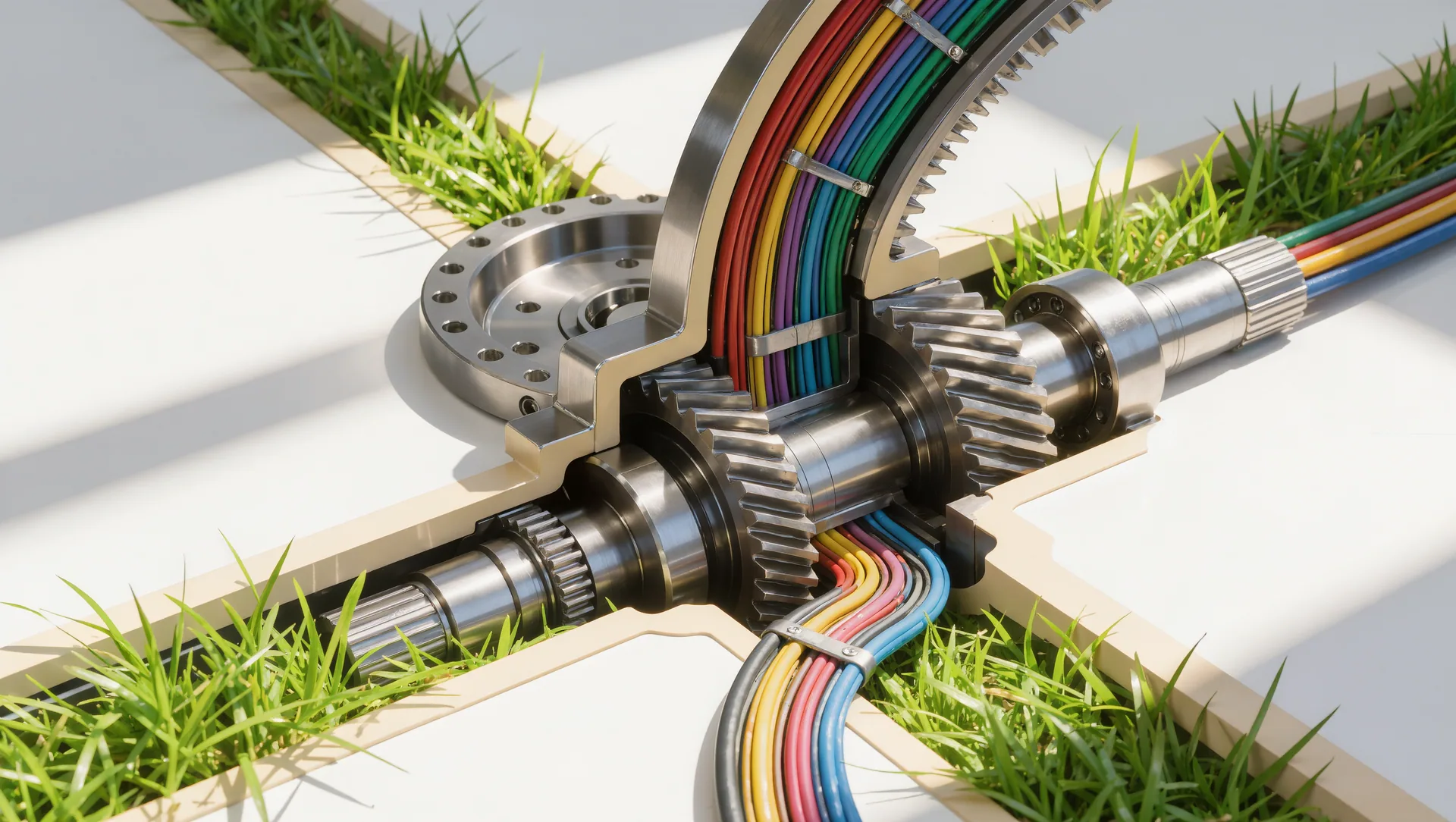
Household robots have evolved from conceptual technologies to commercially available devices that perform various domestic functions. Technological developments in sensors, processors, and software have enabled these machines to execute tasks including floor cleaning, lawn maintenance, and home monitoring systems. Market data indicates increased consumer adoption of household robots, driven by factors such as urbanization, aging populations, and dual-income households seeking time-saving solutions.
The household robotics industry has experienced substantial growth due to advances in artificial intelligence and machine learning algorithms. Modern household robots utilize computer vision, natural language processing, and adaptive learning systems to navigate environments, recognize objects, and respond to user commands. These devices can integrate with Internet of Things (IoT) ecosystems, allowing coordination with smart home platforms and other connected appliances.
Current applications include autonomous vacuum cleaners, robotic lawn mowers, security patrol units, and companion robots designed for elderly care assistance.
Household robots are designed to take over mundane chores, allowing individuals to focus on more meaningful activities. For instance, robotic vacuum cleaners can autonomously navigate through homes, cleaning floors without human intervention. This not only saves time but also ensures that homes remain tidy with minimal effort.
Similarly, robotic lawn mowers can maintain gardens, providing homeowners with a beautifully manicured lawn without the hassle of manual labor. Moreover, household robots can assist with cooking and meal preparation. Smart kitchen devices can follow recipes, chop ingredients, and even monitor cooking times.
This level of automation simplifies meal preparation, making it easier for families to enjoy home-cooked meals without the stress of extensive planning and execution. By taking over these daily tasks, household robots free up valuable time for individuals to spend with family or pursue hobbies.
The integration of household robots significantly enhances home efficiency. For example, a robotic vacuum can be programmed to clean while the family is at work or school, returning to a clean home without any effort from its occupants.
This level of automation not only saves time but also optimizes the use of household resources. Additionally, household robots can improve energy efficiency. Many modern robots are designed to operate in an eco-friendly manner, using less energy than traditional appliances.
For instance, smart thermostats can learn user habits and adjust heating and cooling accordingly, reducing energy consumption. By incorporating these technologies into daily life, homeowners can enjoy a more efficient living environment while also contributing to sustainability efforts.
Artificial intelligence (AI) plays a crucial role in the functionality of household robots. AI enables these devices to learn from their surroundings and adapt to user preferences over time. For instance, a robotic vacuum equipped with AI can map out a home’s layout, identifying obstacles and optimizing cleaning routes for maximum efficiency.
This capability not only enhances performance but also minimizes the need for human intervention. Furthermore, AI allows household robots to communicate with other smart devices within the home ecosystem. This interconnectedness enables seamless operation and coordination among various appliances.
For example, a smart refrigerator can notify a robotic chef when ingredients are running low, prompting it to prepare meals based on available items. This level of integration exemplifies how AI is transforming household management into a more streamlined and efficient process.
The benefits of incorporating household robots into daily life are numerous and varied. One of the most significant advantages is the time saved on routine tasks. With robots handling chores like cleaning and cooking, individuals can allocate their time towards activities that bring them joy or fulfillment.
This shift not only enhances personal well-being but also fosters stronger family connections as more time is spent together. Additionally, household robots can contribute to improved health and hygiene. For instance, robotic vacuums equipped with advanced filtration systems can effectively remove allergens and dust from living spaces, promoting better indoor air quality.
Similarly, robots that assist with medication management can ensure that elderly or disabled individuals adhere to their health regimens, ultimately leading to better health outcomes.
While the benefits of household robots are clear, there are challenges associated with their integration into daily life. One common concern is the initial cost of purchasing these devices. High-quality household robots can be expensive, which may deter some consumers from investing in them.
However, it’s essential to consider the long-term savings in time and effort that these devices provide. Another challenge is the learning curve associated with new technology. Some users may find it difficult to adapt to operating household robots or integrating them into existing smart home systems.
To overcome this barrier, manufacturers often provide comprehensive user guides and customer support services. Additionally, many devices come equipped with user-friendly interfaces that simplify operation and enhance accessibility for all family members.
The future of household robots looks promising as technology continues to advance at an unprecedented pace. We can expect to see even more sophisticated devices capable of performing complex tasks with minimal human intervention. Innovations in AI will likely lead to robots that can understand natural language commands and respond intuitively to user needs.
Moreover, as the Internet of Things (IoT) expands, household robots will become increasingly interconnected with other smart devices in the home. This integration will create a cohesive ecosystem where all appliances work together seamlessly to enhance efficiency and convenience. As these technologies evolve, we may find ourselves living in homes that are not only smarter but also more responsive to our lifestyles.
Household robots hold particular promise for improving the quality of life for elderly individuals and those with disabilities. These devices can assist with daily tasks that may be challenging for individuals with limited mobility or strength. For example, robotic assistants can help with grocery shopping by retrieving items from shelves or carrying bags home.
Additionally, household robots can provide companionship and support for those who may feel isolated or lonely. Socially interactive robots can engage users in conversation or play games, offering mental stimulation and emotional connection. By addressing both practical needs and social well-being, household robots have the potential to significantly enhance the lives of vulnerable populations.
As household robots become more prevalent, ethical and moral considerations arise regarding their use and impact on society. One primary concern is privacy; many household robots collect data about users’ habits and preferences to function effectively. Ensuring that this data is handled responsibly and securely is crucial to maintaining user trust.
Another ethical consideration involves job displacement. As automation becomes more widespread, there is concern about the potential loss of jobs traditionally held by humans. While household robots can enhance efficiency and convenience, it’s essential to strike a balance between technological advancement and preserving employment opportunities for individuals in various sectors.
The environmental impact of household robots is an important aspect to consider as we embrace this technology. Many modern robots are designed with energy efficiency in mind, using less power than traditional appliances while performing their tasks effectively. This reduction in energy consumption contributes positively to environmental sustainability efforts.
Moreover, some household robots are equipped with features that promote eco-friendly practices. By choosing environmentally conscious household robots, consumers can contribute to a greener future while enjoying the benefits of automation.
Selecting the right household robot involves considering several factors tailored to individual needs and preferences. First, assess which tasks you would like the robot to handle, cleaning, cooking, or perhaps gardening? Identifying specific requirements will help narrow down options.
Next, consider compatibility with existing smart home systems. Many households utilize various smart devices; ensuring that your chosen robot integrates seamlessly with these systems will enhance overall functionality. Additionally, read reviews and compare features across different models to find one that offers the best value for your investment.
Finally, consider your budget and long-term goals when selecting a household robot. While some models may have higher upfront costs, they may offer greater efficiency or durability over time. By carefully evaluating your options, you can choose a household robot that meets your needs while providing lasting benefits.
In conclusion, household robots are revolutionizing how we manage our homes by simplifying daily tasks and enhancing overall efficiency. As technology continues to evolve, these devices will play an increasingly vital role in our lives, improving quality of life for all individuals while addressing ethical considerations and environmental impacts along the way. Embracing this technology today means investing in a smarter tomorrow for ourselves and future generations.
The household robotics industry has experienced substantial growth due to advances in artificial intelligence and machine learning algorithms. Modern household robots utilize computer vision, natural language processing, and adaptive learning systems to navigate environments, recognize objects, and respond to user commands. These devices can integrate with Internet of Things (IoT) ecosystems, allowing coordination with smart home platforms and other connected appliances.
Current applications include autonomous vacuum cleaners, robotic lawn mowers, security patrol units, and companion robots designed for elderly care assistance.
Key Takeaways
- Household robots are increasingly popular for automating and simplifying daily chores.
- AI integration enhances the efficiency and adaptability of household robots.
- These robots improve home efficiency and support elderly and disabled individuals.
- Ethical, moral, and environmental considerations are important in their development and use.
- Choosing the right household robot depends on individual needs and home environment.
How Household Robots Can Simplify Daily Tasks
Household robots are designed to take over mundane chores, allowing individuals to focus on more meaningful activities. For instance, robotic vacuum cleaners can autonomously navigate through homes, cleaning floors without human intervention. This not only saves time but also ensures that homes remain tidy with minimal effort.
Similarly, robotic lawn mowers can maintain gardens, providing homeowners with a beautifully manicured lawn without the hassle of manual labor. Moreover, household robots can assist with cooking and meal preparation. Smart kitchen devices can follow recipes, chop ingredients, and even monitor cooking times.
This level of automation simplifies meal preparation, making it easier for families to enjoy home-cooked meals without the stress of extensive planning and execution. By taking over these daily tasks, household robots free up valuable time for individuals to spend with family or pursue hobbies.
The Impact of Household Robots on Home Efficiency
The integration of household robots significantly enhances home efficiency. For example, a robotic vacuum can be programmed to clean while the family is at work or school, returning to a clean home without any effort from its occupants.
This level of automation not only saves time but also optimizes the use of household resources. Additionally, household robots can improve energy efficiency. Many modern robots are designed to operate in an eco-friendly manner, using less energy than traditional appliances.
For instance, smart thermostats can learn user habits and adjust heating and cooling accordingly, reducing energy consumption. By incorporating these technologies into daily life, homeowners can enjoy a more efficient living environment while also contributing to sustainability efforts.
The Role of Artificial Intelligence in Household Robots
Artificial intelligence (AI) plays a crucial role in the functionality of household robots. AI enables these devices to learn from their surroundings and adapt to user preferences over time. For instance, a robotic vacuum equipped with AI can map out a home’s layout, identifying obstacles and optimizing cleaning routes for maximum efficiency.
This capability not only enhances performance but also minimizes the need for human intervention. Furthermore, AI allows household robots to communicate with other smart devices within the home ecosystem. This interconnectedness enables seamless operation and coordination among various appliances.
For example, a smart refrigerator can notify a robotic chef when ingredients are running low, prompting it to prepare meals based on available items. This level of integration exemplifies how AI is transforming household management into a more streamlined and efficient process.
The Benefits of Having Household Robots in the Home
The benefits of incorporating household robots into daily life are numerous and varied. One of the most significant advantages is the time saved on routine tasks. With robots handling chores like cleaning and cooking, individuals can allocate their time towards activities that bring them joy or fulfillment.
This shift not only enhances personal well-being but also fosters stronger family connections as more time is spent together. Additionally, household robots can contribute to improved health and hygiene. For instance, robotic vacuums equipped with advanced filtration systems can effectively remove allergens and dust from living spaces, promoting better indoor air quality.
Similarly, robots that assist with medication management can ensure that elderly or disabled individuals adhere to their health regimens, ultimately leading to better health outcomes.
Overcoming Challenges in Integrating Household Robots into Daily Life
While the benefits of household robots are clear, there are challenges associated with their integration into daily life. One common concern is the initial cost of purchasing these devices. High-quality household robots can be expensive, which may deter some consumers from investing in them.
However, it’s essential to consider the long-term savings in time and effort that these devices provide. Another challenge is the learning curve associated with new technology. Some users may find it difficult to adapt to operating household robots or integrating them into existing smart home systems.
To overcome this barrier, manufacturers often provide comprehensive user guides and customer support services. Additionally, many devices come equipped with user-friendly interfaces that simplify operation and enhance accessibility for all family members.
The Future of Household Robots: What to Expect
The future of household robots looks promising as technology continues to advance at an unprecedented pace. We can expect to see even more sophisticated devices capable of performing complex tasks with minimal human intervention. Innovations in AI will likely lead to robots that can understand natural language commands and respond intuitively to user needs.
Moreover, as the Internet of Things (IoT) expands, household robots will become increasingly interconnected with other smart devices in the home. This integration will create a cohesive ecosystem where all appliances work together seamlessly to enhance efficiency and convenience. As these technologies evolve, we may find ourselves living in homes that are not only smarter but also more responsive to our lifestyles.
How Household Robots Can Improve Quality of Life for the Elderly and Disabled
Household robots hold particular promise for improving the quality of life for elderly individuals and those with disabilities. These devices can assist with daily tasks that may be challenging for individuals with limited mobility or strength. For example, robotic assistants can help with grocery shopping by retrieving items from shelves or carrying bags home.
Additionally, household robots can provide companionship and support for those who may feel isolated or lonely. Socially interactive robots can engage users in conversation or play games, offering mental stimulation and emotional connection. By addressing both practical needs and social well-being, household robots have the potential to significantly enhance the lives of vulnerable populations.
The Ethical and Moral Considerations of Household Robots
As household robots become more prevalent, ethical and moral considerations arise regarding their use and impact on society. One primary concern is privacy; many household robots collect data about users’ habits and preferences to function effectively. Ensuring that this data is handled responsibly and securely is crucial to maintaining user trust.
Another ethical consideration involves job displacement. As automation becomes more widespread, there is concern about the potential loss of jobs traditionally held by humans. While household robots can enhance efficiency and convenience, it’s essential to strike a balance between technological advancement and preserving employment opportunities for individuals in various sectors.
The Environmental Impact of Household Robots
The environmental impact of household robots is an important aspect to consider as we embrace this technology. Many modern robots are designed with energy efficiency in mind, using less power than traditional appliances while performing their tasks effectively. This reduction in energy consumption contributes positively to environmental sustainability efforts.
Moreover, some household robots are equipped with features that promote eco-friendly practices. By choosing environmentally conscious household robots, consumers can contribute to a greener future while enjoying the benefits of automation.
How to Choose the Right Household Robot for Your Home
Selecting the right household robot involves considering several factors tailored to individual needs and preferences. First, assess which tasks you would like the robot to handle, cleaning, cooking, or perhaps gardening? Identifying specific requirements will help narrow down options.
Next, consider compatibility with existing smart home systems. Many households utilize various smart devices; ensuring that your chosen robot integrates seamlessly with these systems will enhance overall functionality. Additionally, read reviews and compare features across different models to find one that offers the best value for your investment.
Finally, consider your budget and long-term goals when selecting a household robot. While some models may have higher upfront costs, they may offer greater efficiency or durability over time. By carefully evaluating your options, you can choose a household robot that meets your needs while providing lasting benefits.
In conclusion, household robots are revolutionizing how we manage our homes by simplifying daily tasks and enhancing overall efficiency. As technology continues to evolve, these devices will play an increasingly vital role in our lives, improving quality of life for all individuals while addressing ethical considerations and environmental impacts along the way. Embracing this technology today means investing in a smarter tomorrow for ourselves and future generations.
FAQs
What are household robots?
Household robots are automated machines designed to perform various tasks around the home, such as cleaning, security, and assistance with daily activities.What types of household robots are commonly available?
Common types include robotic vacuum cleaners, lawn mowers, window cleaners, security robots, and personal assistant robots.How do robotic vacuum cleaners work?
Robotic vacuum cleaners use sensors and mapping technology to navigate and clean floors autonomously, avoiding obstacles and returning to their charging stations when needed.Are household robots safe to use around children and pets?
Most household robots are designed with safety features to operate around children and pets, but supervision is recommended, especially with smaller or more sensitive devices.Do household robots require a lot of maintenance?
Maintenance requirements vary by device but generally include tasks like emptying dustbins, cleaning brushes, and updating software to ensure optimal performance.Can household robots be controlled remotely?
Many household robots can be controlled or monitored remotely via smartphone apps, allowing users to schedule tasks or check status from anywhere.Are household robots expensive?
Prices vary widely depending on the robot's capabilities, brand, and features, ranging from affordable models to high-end devices with advanced functions.Do household robots replace human labor completely?
Household robots assist with routine or repetitive tasks but do not fully replace human labor, especially for complex or nuanced household chores.What are the benefits of using household robots?
Benefits include saving time, increasing convenience, improving cleaning efficiency, and assisting individuals with mobility or health challenges.Are household robots environmentally friendly?
Many household robots are designed to be energy-efficient and reduce waste, but their environmental impact depends on factors like battery type and manufacturing processes.More in
More from Robotic
Robotic · 9 min
Robotic Precision: The Future of Automation
Robotic precision refers to the ability of automated systems to perform tasks with extremely high accuracy and repeatability. Modern industrial robots…
Robotic · 8 min
Advancements in Robotic Motion Control
Robotic motion control is a fundamental technology in modern automation systems that enables robots to execute precise movements through sophisticated…

Robotic · 9 min
Efficient Robotic Path Planning for Improved Navigation
Robotic path planning constitutes a fundamental component of robotics engineering that focuses on calculating optimal trajectories for robots to move …