Robotic · Robotic
Revolutionizing Design with Robotic Software
Robotic software is an emerging technology in the design industry that combines automation and artificial intelligence to optimize workflows and support creative processes. This te…

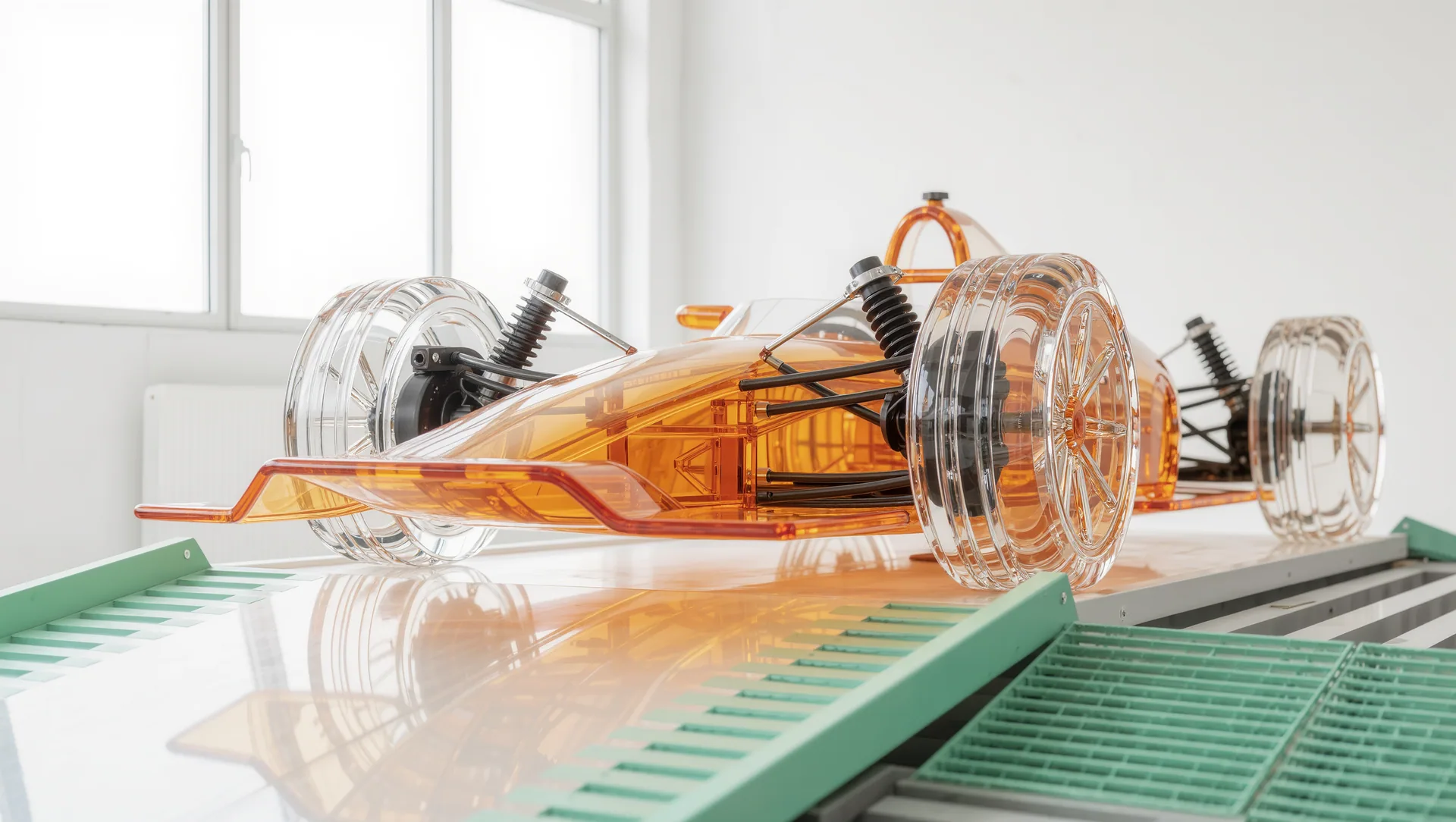
Robotic software is an emerging technology in the design industry that combines automation and artificial intelligence to optimize workflows and support creative processes. This technology enables designers to automate routine and repetitive tasks, allowing them to allocate more time to complex problem-solving and creative development. Organizations implementing robotic software typically experience increased operational efficiency, reduced error rates, and faster project completion times while maintaining design quality standards.
The adoption of robotic software represents a significant evolution in design methodologies and practices. These systems can process large datasets and execute tasks with high precision, leading to modifications in established design workflows. The technology enables designers to develop more detailed and complex designs, investigate previously unexplored design possibilities, and expand the scope of creative solutions.
Current applications of robotic software in design demonstrate substantial potential for further development and broader implementation across the industry.
Robotic software has significantly impacted the design process by introducing automation that enhances productivity. Designers can now automate mundane tasks such as drafting, rendering, and even basic calculations. This shift allows them to allocate their time and energy toward more strategic and creative endeavors.
The result is a more efficient workflow that not only speeds up project timelines but also improves overall quality. Moreover, robotic software facilitates collaboration among design teams. With cloud-based platforms and real-time updates, team members can work together seamlessly, regardless of their physical location.
This connectivity fosters a more dynamic exchange of ideas and feedback, leading to more innovative solutions. As teams become more agile and responsive, the design process evolves into a more collaborative and iterative experience.
The advantages of using robotic software in design are manifold. First and foremost, it enhances efficiency by automating repetitive tasks that would otherwise consume valuable time. Designers can focus on high-level creative thinking rather than getting bogged down in routine work.
This shift not only boosts productivity but also leads to higher job satisfaction among design professionals. Additionally, robotic software minimizes human error. By relying on algorithms and automated processes, the likelihood of mistakes decreases significantly.
This accuracy is particularly crucial in fields such as architecture and engineering, where precision is paramount. Furthermore, robotic software can analyze data trends and user preferences, enabling designers to create more targeted and effective solutions that resonate with their audience.
The design industry is undergoing a profound transformation due to the integration of robotic software. Traditional design methods are being replaced by data-driven approaches that leverage advanced algorithms to inform decision-making. This shift allows designers to create more personalized experiences for users, as they can analyze user behavior and preferences in real-time.
Moreover, robotic software is democratizing design by making advanced tools accessible to a broader audience. Small businesses and independent designers can now utilize sophisticated software that was once reserved for large firms with substantial budgets. This accessibility fosters innovation and diversity within the industry, as more voices contribute to the design conversation.
Artificial intelligence (AI) plays a pivotal role in enhancing the capabilities of robotic software in design. By incorporating machine learning algorithms, robotic software can learn from past projects and user interactions to improve its performance over time. This adaptability allows designers to benefit from insights that were previously unattainable through traditional methods.
AI also enables predictive analytics, which can forecast trends and user needs based on historical data. Designers can leverage these insights to create forward-thinking solutions that anticipate market demands. As AI continues to evolve, its integration with robotic software will further revolutionize the design process, making it more intuitive and responsive.
Several organizations have successfully implemented robotic software in their design processes, showcasing its transformative potential. For instance, a leading architecture firm utilized robotic software to automate the drafting process for building plans. By doing so, they reduced project timelines by 30%, allowing them to take on more clients without compromising quality.
Another notable case involves a fashion brand that integrated robotic software into its design workflow. These case studies illustrate how robotic software can lead to significant improvements in efficiency and creativity across various design disciplines.
The future of design is poised for exciting developments as robotic software continues to evolve. As technology advances, we can expect even greater levels of automation and integration with other emerging technologies such as virtual reality (VR) and augmented reality (AR). These advancements will enable designers to create immersive experiences that engage users on multiple levels.
Furthermore, as more industries adopt robotic software, we will likely see an increase in cross-disciplinary collaboration. Designers will work alongside engineers, data scientists, and AI specialists to create holistic solutions that address complex challenges. This collaborative approach will foster innovation and lead to groundbreaking designs that redefine industry standards.
While the benefits of robotic software are clear, challenges remain in its adoption within the design industry. One significant hurdle is the initial investment required for implementation. Many organizations may hesitate to allocate resources toward new technology without a clear understanding of its return on investment (ROI).
Additionally, there may be resistance from design professionals who fear that automation could threaten their jobs or diminish their creative input. To overcome these challenges, organizations must prioritize training and education initiatives that emphasize the complementary nature of robotic software and human creativity. By fostering a culture of innovation and collaboration, companies can successfully integrate robotic software into their design processes.
Training and education are crucial for maximizing the potential of robotic software in design. Organizations should invest in comprehensive training programs that equip designers with the skills needed to effectively utilize this technology. Workshops, online courses, and hands-on training sessions can help bridge the knowledge gap and empower designers to embrace automation.
Moreover, educational institutions should incorporate robotic software into their curricula to prepare future designers for an evolving industry landscape.
As with any technological advancement, ethical considerations arise when using robotic software in design. One primary concern is the potential for bias in algorithms that could lead to unfair or discriminatory outcomes in design solutions. It is essential for designers to remain vigilant about the data they use and ensure that their algorithms are transparent and equitable.
Additionally, there are questions surrounding intellectual property rights when using automated tools for design creation. Designers must navigate these complexities carefully to protect their work while embracing innovation. Establishing clear guidelines and ethical standards will be vital as the industry continues to evolve alongside technological advancements.
In conclusion, embracing robotic software in design presents an opportunity for professionals to enhance their creativity and efficiency while navigating an increasingly complex landscape. The integration of automation and artificial intelligence is not merely a trend; it represents a fundamental shift in how design is approached across various industries. As we look toward the future, it is essential for designers to adapt to these changes by investing in training, fostering collaboration, and addressing ethical considerations head-on.
By doing so, they can harness the full potential of robotic software to create innovative solutions that resonate with users while pushing the boundaries of what is possible in design. Embracing this technology will not only benefit individual designers but also contribute to a more dynamic and inclusive design industry as a whole.
The adoption of robotic software represents a significant evolution in design methodologies and practices. These systems can process large datasets and execute tasks with high precision, leading to modifications in established design workflows. The technology enables designers to develop more detailed and complex designs, investigate previously unexplored design possibilities, and expand the scope of creative solutions.
Current applications of robotic software in design demonstrate substantial potential for further development and broader implementation across the industry.
Key Takeaways
- Robotic software is revolutionizing design by enhancing precision and efficiency.
- Integration of artificial intelligence boosts the capabilities of robotic design tools.
- Successful case studies demonstrate significant improvements in creativity and productivity.
- Overcoming adoption challenges requires focused training and ethical considerations.
- The future of design is increasingly intertwined with advanced robotic software technologies.
The Impact of Robotic Software on Design
Robotic software has significantly impacted the design process by introducing automation that enhances productivity. Designers can now automate mundane tasks such as drafting, rendering, and even basic calculations. This shift allows them to allocate their time and energy toward more strategic and creative endeavors.
The result is a more efficient workflow that not only speeds up project timelines but also improves overall quality. Moreover, robotic software facilitates collaboration among design teams. With cloud-based platforms and real-time updates, team members can work together seamlessly, regardless of their physical location.
This connectivity fosters a more dynamic exchange of ideas and feedback, leading to more innovative solutions. As teams become more agile and responsive, the design process evolves into a more collaborative and iterative experience.
Advantages of Using Robotic Software in Design
The advantages of using robotic software in design are manifold. First and foremost, it enhances efficiency by automating repetitive tasks that would otherwise consume valuable time. Designers can focus on high-level creative thinking rather than getting bogged down in routine work.
This shift not only boosts productivity but also leads to higher job satisfaction among design professionals. Additionally, robotic software minimizes human error. By relying on algorithms and automated processes, the likelihood of mistakes decreases significantly.
This accuracy is particularly crucial in fields such as architecture and engineering, where precision is paramount. Furthermore, robotic software can analyze data trends and user preferences, enabling designers to create more targeted and effective solutions that resonate with their audience.
How Robotic Software is Changing the Design Industry
The design industry is undergoing a profound transformation due to the integration of robotic software. Traditional design methods are being replaced by data-driven approaches that leverage advanced algorithms to inform decision-making. This shift allows designers to create more personalized experiences for users, as they can analyze user behavior and preferences in real-time.
Moreover, robotic software is democratizing design by making advanced tools accessible to a broader audience. Small businesses and independent designers can now utilize sophisticated software that was once reserved for large firms with substantial budgets. This accessibility fosters innovation and diversity within the industry, as more voices contribute to the design conversation.
The Role of Artificial Intelligence in Robotic Software
Artificial intelligence (AI) plays a pivotal role in enhancing the capabilities of robotic software in design. By incorporating machine learning algorithms, robotic software can learn from past projects and user interactions to improve its performance over time. This adaptability allows designers to benefit from insights that were previously unattainable through traditional methods.
AI also enables predictive analytics, which can forecast trends and user needs based on historical data. Designers can leverage these insights to create forward-thinking solutions that anticipate market demands. As AI continues to evolve, its integration with robotic software will further revolutionize the design process, making it more intuitive and responsive.
Case Studies: Successful Implementation of Robotic Software in Design
Several organizations have successfully implemented robotic software in their design processes, showcasing its transformative potential. For instance, a leading architecture firm utilized robotic software to automate the drafting process for building plans. By doing so, they reduced project timelines by 30%, allowing them to take on more clients without compromising quality.
Another notable case involves a fashion brand that integrated robotic software into its design workflow. These case studies illustrate how robotic software can lead to significant improvements in efficiency and creativity across various design disciplines.
The Future of Design with Robotic Software
The future of design is poised for exciting developments as robotic software continues to evolve. As technology advances, we can expect even greater levels of automation and integration with other emerging technologies such as virtual reality (VR) and augmented reality (AR). These advancements will enable designers to create immersive experiences that engage users on multiple levels.
Furthermore, as more industries adopt robotic software, we will likely see an increase in cross-disciplinary collaboration. Designers will work alongside engineers, data scientists, and AI specialists to create holistic solutions that address complex challenges. This collaborative approach will foster innovation and lead to groundbreaking designs that redefine industry standards.
Overcoming Challenges in Adopting Robotic Software for Design
While the benefits of robotic software are clear, challenges remain in its adoption within the design industry. One significant hurdle is the initial investment required for implementation. Many organizations may hesitate to allocate resources toward new technology without a clear understanding of its return on investment (ROI).
Additionally, there may be resistance from design professionals who fear that automation could threaten their jobs or diminish their creative input. To overcome these challenges, organizations must prioritize training and education initiatives that emphasize the complementary nature of robotic software and human creativity. By fostering a culture of innovation and collaboration, companies can successfully integrate robotic software into their design processes.
Training and Education for Robotic Software in Design
Training and education are crucial for maximizing the potential of robotic software in design. Organizations should invest in comprehensive training programs that equip designers with the skills needed to effectively utilize this technology. Workshops, online courses, and hands-on training sessions can help bridge the knowledge gap and empower designers to embrace automation.
Moreover, educational institutions should incorporate robotic software into their curricula to prepare future designers for an evolving industry landscape.
Ethical Considerations in Using Robotic Software for Design
As with any technological advancement, ethical considerations arise when using robotic software in design. One primary concern is the potential for bias in algorithms that could lead to unfair or discriminatory outcomes in design solutions. It is essential for designers to remain vigilant about the data they use and ensure that their algorithms are transparent and equitable.
Additionally, there are questions surrounding intellectual property rights when using automated tools for design creation. Designers must navigate these complexities carefully to protect their work while embracing innovation. Establishing clear guidelines and ethical standards will be vital as the industry continues to evolve alongside technological advancements.
Embracing the Potential of Robotic Software in Design
In conclusion, embracing robotic software in design presents an opportunity for professionals to enhance their creativity and efficiency while navigating an increasingly complex landscape. The integration of automation and artificial intelligence is not merely a trend; it represents a fundamental shift in how design is approached across various industries. As we look toward the future, it is essential for designers to adapt to these changes by investing in training, fostering collaboration, and addressing ethical considerations head-on.
By doing so, they can harness the full potential of robotic software to create innovative solutions that resonate with users while pushing the boundaries of what is possible in design. Embracing this technology will not only benefit individual designers but also contribute to a more dynamic and inclusive design industry as a whole.
FAQs
What is robotic design software?
Robotic design software is a type of computer program used to create, simulate, and analyze robotic systems. It helps engineers and designers develop robot models, plan movements, and optimize performance before physical prototypes are built.What are the main features of robotic design software?
Common features include 3D modeling of robot components, kinematic and dynamic simulation, control system design, path planning, and integration with hardware for testing and deployment.Who uses robotic design software?
Robotic design software is used by robotics engineers, researchers, product designers, and educators involved in developing industrial robots, service robots, autonomous vehicles, and robotic research projects.What are the benefits of using robotic design software?
Benefits include reduced development time and cost, improved accuracy in design, the ability to test and optimize robot behavior virtually, and enhanced collaboration among design teams.Can robotic design software simulate robot movements?
Yes, most robotic design software includes simulation tools that allow users to visualize and analyze robot movements, test control algorithms, and predict performance in various environments.Is programming knowledge required to use robotic design software?
While some software offers user-friendly graphical interfaces, basic programming or scripting knowledge is often helpful or required to customize robot behaviors and control systems.What types of robots can be designed with robotic design software?
Users can design a wide range of robots, including industrial manipulators, mobile robots, humanoid robots, drones, and specialized robotic systems for medical or research applications.Are there any popular robotic design software tools?
Yes, popular tools include ROS (Robot Operating System) combined with simulation environments like Gazebo, MATLAB/Simulink, SolidWorks with robotics add-ons, and proprietary software from robot manufacturers.Can robotic design software integrate with hardware?
Many robotic design platforms support hardware integration, allowing users to deploy control algorithms directly to physical robots and perform real-time testing and data collection.Is robotic design software suitable for beginners?
Some robotic design software offers beginner-friendly features and tutorials, but the complexity varies. Beginners may benefit from starting with educational tools or simplified simulation environments before advancing to professional-grade software.More in
More from Robotic
Robotic · 9 min
Robotic Precision: The Future of Automation
Robotic precision refers to the ability of automated systems to perform tasks with extremely high accuracy and repeatability. Modern industrial robots…
Robotic · 8 min
Advancements in Robotic Motion Control
Robotic motion control is a fundamental technology in modern automation systems that enables robots to execute precise movements through sophisticated…
Robotic · 9 min
Efficient Robotic Path Planning for Improved Navigation
Robotic path planning constitutes a fundamental component of robotics engineering that focuses on calculating optimal trajectories for robots to move …