Robotic · Robotic
Revolutionizing Design: The Future of Robotics
Robotics and design are two fields that have increasingly intertwined, creating a dynamic landscape for innovation and creativity. Robotics refers to the technology that involves t…

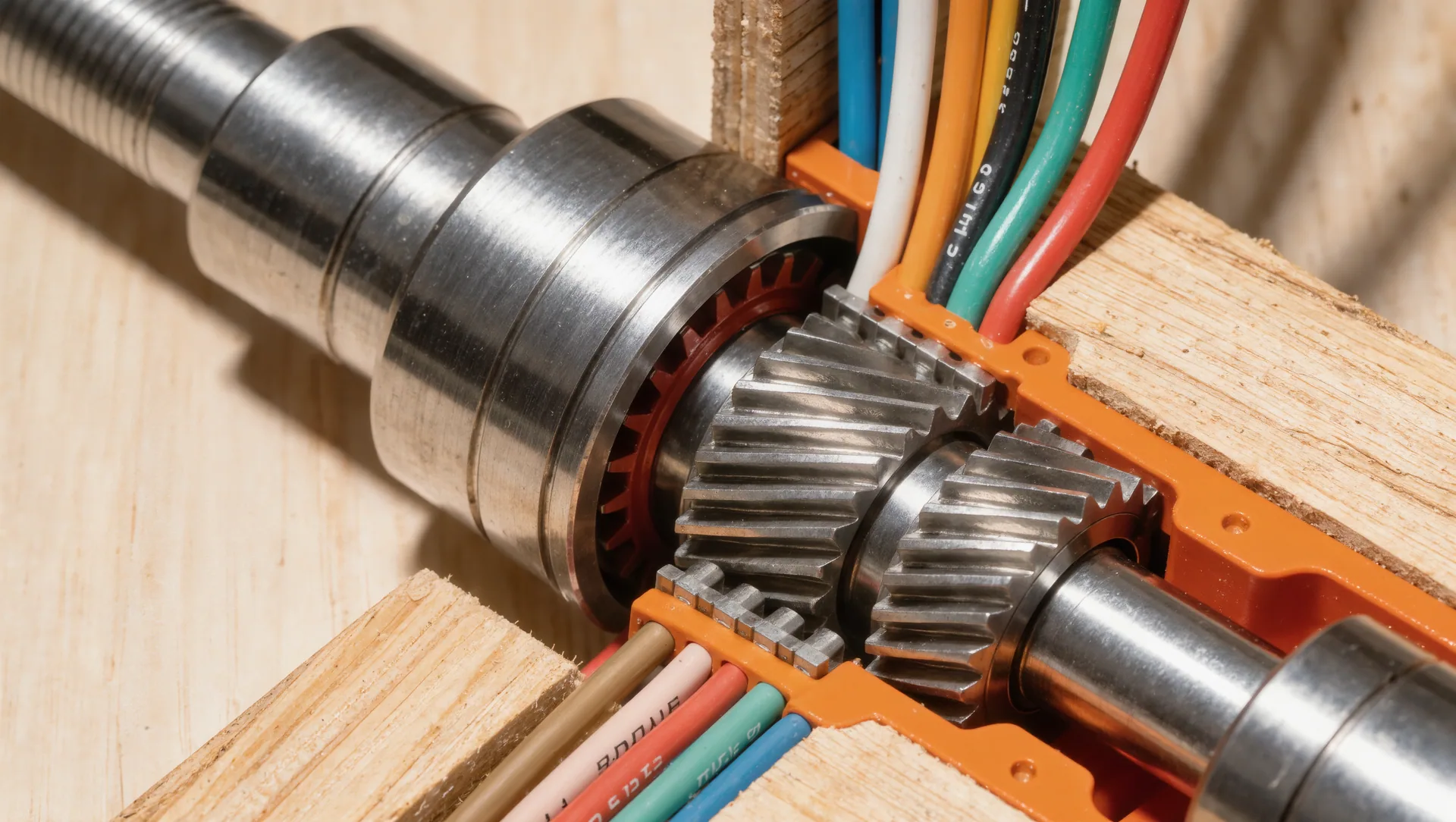
Robotics and design are two fields that have increasingly intertwined, creating a dynamic landscape for innovation and creativity. Robotics refers to the technology that involves the design, construction, operation, and use of robots, while design encompasses the process of creating solutions to problems through aesthetic and functional considerations. The fusion of these disciplines has led to groundbreaking advancements that enhance efficiency, precision, and creativity in various industries.
As we delve into this topic, we will explore how robotics is reshaping design processes, the impact of automation, and the role of artificial intelligence, among other critical aspects. The integration of robotics into design is not merely a trend; it represents a fundamental shift in how products are conceived and developed. By leveraging robotic systems, designers can push the boundaries of traditional methods, allowing for more complex and innovative solutions.
This synergy not only streamlines workflows but also opens up new avenues for creativity, enabling designers to focus on higher-level concepts while robots handle repetitive tasks. As we navigate through the implications of robotics in design, we will uncover the transformative potential that lies ahead.
The impact of robotics on design processes is profound and multifaceted. One of the most significant changes is the enhancement of precision in manufacturing. Robots can execute tasks with a level of accuracy that far surpasses human capabilities.
This precision reduces errors and waste, leading to higher quality products and more efficient use of resources. For instance, in industries such as automotive and aerospace, robotic arms are employed to assemble components with meticulous attention to detail, ensuring that every part fits perfectly. Moreover, robotics facilitates rapid prototyping, allowing designers to create and test their ideas quickly.
With the ability to produce prototypes at an accelerated pace, designers can iterate on their concepts more effectively. This agility not only shortens the development cycle but also fosters a culture of experimentation and innovation. As a result, companies can respond more swiftly to market demands and consumer preferences, ultimately gaining a competitive edge.
Recent advancements in robotics technology have significantly expanded the capabilities of robots in design contexts. Innovations such as collaborative robots (cobots) are designed to work alongside human operators, enhancing productivity without replacing the human touch. These robots are equipped with advanced sensors and AI algorithms that allow them to adapt to their environment and interact safely with people.
This collaboration leads to a more efficient workflow where humans and robots complement each other's strengths. Additionally, developments in machine learning and computer vision have enabled robots to perform complex tasks that require a degree of understanding and adaptability. For example, robots can now analyze design patterns and make adjustments based on real-time feedback.
This capability not only improves the quality of the final product but also allows for greater customization options, catering to individual client needs and preferences.
Automation through robotics has revolutionized design processes across various sectors. By automating repetitive tasks, designers can allocate their time and energy toward more creative endeavors. For instance, in graphic design, software tools powered by robotic algorithms can generate layouts or color schemes based on predefined parameters, freeing designers from mundane tasks.
Furthermore, automation enhances scalability in design projects. Companies can ramp up production without compromising quality by deploying robotic systems that maintain consistent performance levels. This scalability is particularly beneficial for businesses looking to expand their market reach or respond to fluctuating demand.
As automation continues to evolve, its integration into design processes will likely become even more seamless and sophisticated.
Artificial intelligence (AI) plays a pivotal role in enhancing the capabilities of robotics within design. AI algorithms enable robots to learn from data, improving their performance over time. For example, AI can analyze user interactions with a product and provide insights that inform design improvements.
This data-driven approach allows designers to create user-centric products that resonate with their target audience. Moreover, AI-powered design tools can assist in generating creative ideas by analyzing trends and suggesting innovative solutions. These tools can serve as valuable collaborators for designers, providing inspiration and expanding their creative horizons.
As AI continues to advance, its integration with robotics will further transform the design landscape, making it more intuitive and responsive to user needs.
Sustainability is a critical consideration in modern design practices, and robotics offers innovative solutions to promote eco-friendly approaches. Robots can optimize material usage by precisely cutting or assembling components, reducing waste during production. Additionally, robotic systems can be programmed to utilize sustainable materials or processes that minimize environmental impact.
Furthermore, robotics can facilitate recycling efforts by automating sorting processes in waste management facilities. By efficiently separating recyclable materials from waste streams, robots contribute to a circular economy where resources are reused rather than discarded. As sustainability becomes increasingly important in design, the role of robotics will be essential in driving environmentally responsible practices.
Human-robot collaboration is at the forefront of modern design practices. The synergy between human creativity and robotic efficiency creates a powerful dynamic that enhances productivity and innovation. Designers can leverage robots for tasks that require precision while focusing on conceptualization and creative problem-solving.
This collaboration also fosters a more inclusive work environment where individuals with varying skill sets can contribute effectively. For instance, designers who may not have extensive technical expertise can still engage with robotic systems through user-friendly interfaces. As human-robot collaboration continues to evolve, it will redefine traditional roles within design teams and promote a culture of teamwork.
The intersection of robotics and 3D printing has opened new frontiers in design possibilities. Robotic arms equipped with 3D printing technology can create complex structures that were previously unattainable through conventional methods. This capability allows designers to experiment with intricate geometries and materials, pushing the boundaries of creativity.
Moreover, 3D printing enables rapid prototyping and customization at scale. Designers can quickly produce unique items tailored to specific client needs without incurring significant costs or delays. As this technology continues to advance, it will further empower designers to explore innovative solutions while maintaining efficiency.
The future of user experience (UX) design is being shaped by advancements in robotics and automation. As products become increasingly interactive and connected, understanding user behavior is paramount.
Additionally, robots can enhance UX by providing personalized experiences through adaptive interfaces. For example, smart home devices equipped with robotic capabilities can learn user habits and adjust settings accordingly, creating a seamless living environment.
As robotics becomes more integrated into design processes, ethical considerations must be addressed. Issues such as job displacement due to automation raise concerns about the future workforce landscape. It is essential for companies to strike a balance between leveraging robotic efficiency and ensuring that human workers are supported through reskilling initiatives.
Moreover, ethical implications extend to data privacy as robots collect user information for personalization purposes. Designers must prioritize transparency and user consent when implementing robotic systems that gather data. By addressing these ethical considerations proactively, the design community can foster trust among users while embracing technological advancements.
The future of robotics in design education is promising as institutions recognize the importance of integrating these technologies into curricula. By equipping students with knowledge about robotics and automation, educational programs can prepare future designers for an evolving job market. Hands-on experiences with robotic systems will enable students to explore innovative design solutions while developing technical skills essential for collaboration with machines.
As educational institutions adapt their programs to include robotics training, they will cultivate a new generation of designers who are well-versed in both creativity and technology. In conclusion, the integration of robotics into design processes is transforming industries by enhancing efficiency, precision, and creativity. As we continue to explore advancements in technology and their implications for sustainable practices, human-robot collaboration, and ethical considerations, it becomes clear that the future holds immense potential for innovation in design education and beyond.
Embracing these changes will empower designers to create solutions that resonate with users while addressing pressing global challenges.
As we delve into this topic, we will explore how robotics is reshaping design processes, the impact of automation, and the role of artificial intelligence, among other critical aspects. The integration of robotics into design is not merely a trend; it represents a fundamental shift in how products are conceived and developed. By leveraging robotic systems, designers can push the boundaries of traditional methods, allowing for more complex and innovative solutions.
This synergy not only streamlines workflows but also opens up new avenues for creativity, enabling designers to focus on higher-level concepts while robots handle repetitive tasks. As we navigate through the implications of robotics in design, we will uncover the transformative potential that lies ahead.
Key Takeaways
- Robotics is transforming design processes by enhancing precision, efficiency, and creativity.
- Advances in AI and automation are enabling smarter, more adaptive robotic design tools.
- Human-robot collaboration is becoming essential for innovative and sustainable design solutions.
- Integration of robotics with 3D printing is revolutionizing prototyping and manufacturing in design.
- Ethical considerations and education are critical to responsibly shaping the future of robotics in design.
The Impact of Robotics on Design Processes
The impact of robotics on design processes is profound and multifaceted. One of the most significant changes is the enhancement of precision in manufacturing. Robots can execute tasks with a level of accuracy that far surpasses human capabilities.
This precision reduces errors and waste, leading to higher quality products and more efficient use of resources. For instance, in industries such as automotive and aerospace, robotic arms are employed to assemble components with meticulous attention to detail, ensuring that every part fits perfectly. Moreover, robotics facilitates rapid prototyping, allowing designers to create and test their ideas quickly.
With the ability to produce prototypes at an accelerated pace, designers can iterate on their concepts more effectively. This agility not only shortens the development cycle but also fosters a culture of experimentation and innovation. As a result, companies can respond more swiftly to market demands and consumer preferences, ultimately gaining a competitive edge.
Advancements in Robotics Technology
Recent advancements in robotics technology have significantly expanded the capabilities of robots in design contexts. Innovations such as collaborative robots (cobots) are designed to work alongside human operators, enhancing productivity without replacing the human touch. These robots are equipped with advanced sensors and AI algorithms that allow them to adapt to their environment and interact safely with people.
This collaboration leads to a more efficient workflow where humans and robots complement each other's strengths. Additionally, developments in machine learning and computer vision have enabled robots to perform complex tasks that require a degree of understanding and adaptability. For example, robots can now analyze design patterns and make adjustments based on real-time feedback.
This capability not only improves the quality of the final product but also allows for greater customization options, catering to individual client needs and preferences.
Automation and Robotics in Design
Automation through robotics has revolutionized design processes across various sectors. By automating repetitive tasks, designers can allocate their time and energy toward more creative endeavors. For instance, in graphic design, software tools powered by robotic algorithms can generate layouts or color schemes based on predefined parameters, freeing designers from mundane tasks.
Furthermore, automation enhances scalability in design projects. Companies can ramp up production without compromising quality by deploying robotic systems that maintain consistent performance levels. This scalability is particularly beneficial for businesses looking to expand their market reach or respond to fluctuating demand.
As automation continues to evolve, its integration into design processes will likely become even more seamless and sophisticated.
The Role of Artificial Intelligence in Robotics and Design
Artificial intelligence (AI) plays a pivotal role in enhancing the capabilities of robotics within design. AI algorithms enable robots to learn from data, improving their performance over time. For example, AI can analyze user interactions with a product and provide insights that inform design improvements.
This data-driven approach allows designers to create user-centric products that resonate with their target audience. Moreover, AI-powered design tools can assist in generating creative ideas by analyzing trends and suggesting innovative solutions. These tools can serve as valuable collaborators for designers, providing inspiration and expanding their creative horizons.
As AI continues to advance, its integration with robotics will further transform the design landscape, making it more intuitive and responsive to user needs.
Robotics and Sustainable Design
Sustainability is a critical consideration in modern design practices, and robotics offers innovative solutions to promote eco-friendly approaches. Robots can optimize material usage by precisely cutting or assembling components, reducing waste during production. Additionally, robotic systems can be programmed to utilize sustainable materials or processes that minimize environmental impact.
Furthermore, robotics can facilitate recycling efforts by automating sorting processes in waste management facilities. By efficiently separating recyclable materials from waste streams, robots contribute to a circular economy where resources are reused rather than discarded. As sustainability becomes increasingly important in design, the role of robotics will be essential in driving environmentally responsible practices.
Human-Robot Collaboration in Design
Human-robot collaboration is at the forefront of modern design practices. The synergy between human creativity and robotic efficiency creates a powerful dynamic that enhances productivity and innovation. Designers can leverage robots for tasks that require precision while focusing on conceptualization and creative problem-solving.
This collaboration also fosters a more inclusive work environment where individuals with varying skill sets can contribute effectively. For instance, designers who may not have extensive technical expertise can still engage with robotic systems through user-friendly interfaces. As human-robot collaboration continues to evolve, it will redefine traditional roles within design teams and promote a culture of teamwork.
Robotics and 3D Printing in Design
The intersection of robotics and 3D printing has opened new frontiers in design possibilities. Robotic arms equipped with 3D printing technology can create complex structures that were previously unattainable through conventional methods. This capability allows designers to experiment with intricate geometries and materials, pushing the boundaries of creativity.
Moreover, 3D printing enables rapid prototyping and customization at scale. Designers can quickly produce unique items tailored to specific client needs without incurring significant costs or delays. As this technology continues to advance, it will further empower designers to explore innovative solutions while maintaining efficiency.
Robotics and the Future of User Experience Design
The future of user experience (UX) design is being shaped by advancements in robotics and automation. As products become increasingly interactive and connected, understanding user behavior is paramount.
Additionally, robots can enhance UX by providing personalized experiences through adaptive interfaces. For example, smart home devices equipped with robotic capabilities can learn user habits and adjust settings accordingly, creating a seamless living environment.
Ethical Considerations in Robotics and Design
As robotics becomes more integrated into design processes, ethical considerations must be addressed. Issues such as job displacement due to automation raise concerns about the future workforce landscape. It is essential for companies to strike a balance between leveraging robotic efficiency and ensuring that human workers are supported through reskilling initiatives.
Moreover, ethical implications extend to data privacy as robots collect user information for personalization purposes. Designers must prioritize transparency and user consent when implementing robotic systems that gather data. By addressing these ethical considerations proactively, the design community can foster trust among users while embracing technological advancements.
The Future of Robotics in Design Education
The future of robotics in design education is promising as institutions recognize the importance of integrating these technologies into curricula. By equipping students with knowledge about robotics and automation, educational programs can prepare future designers for an evolving job market. Hands-on experiences with robotic systems will enable students to explore innovative design solutions while developing technical skills essential for collaboration with machines.
As educational institutions adapt their programs to include robotics training, they will cultivate a new generation of designers who are well-versed in both creativity and technology. In conclusion, the integration of robotics into design processes is transforming industries by enhancing efficiency, precision, and creativity. As we continue to explore advancements in technology and their implications for sustainable practices, human-robot collaboration, and ethical considerations, it becomes clear that the future holds immense potential for innovation in design education and beyond.
Embracing these changes will empower designers to create solutions that resonate with users while addressing pressing global challenges.
FAQs
What is robotic design?
Robotic design refers to the process of creating and developing robots, including their mechanical structure, electronics, control systems, and software. It involves integrating various engineering disciplines to build functional and efficient robots.What are the main components of a robot in robotic design?
The main components typically include the mechanical structure (frame and joints), actuators (motors or hydraulic systems), sensors (for perception), control systems (microcontrollers or processors), and software for programming the robot's behavior.Which fields of engineering are involved in robotic design?
Robotic design commonly involves mechanical engineering, electrical engineering, computer science, and control engineering. These fields work together to address the physical construction, electronics, programming, and control algorithms of robots.What types of robots are considered in robotic design?
Robotic design can cover a wide range of robots, including industrial robots, service robots, autonomous vehicles, humanoid robots, and specialized robots for medical, military, or research applications.What software tools are used in robotic design?
Common software tools include CAD (Computer-Aided Design) programs for mechanical design, simulation software for testing robot behavior, and programming environments for developing control algorithms, such as ROS (Robot Operating System).What challenges are faced in robotic design?
Challenges include ensuring precise control and movement, integrating sensors and actuators effectively, managing power consumption, achieving reliability and safety, and designing robots that can operate in complex or unpredictable environments.How does robotic design impact automation?
Robotic design enables the creation of robots that can perform repetitive, dangerous, or precise tasks, thereby increasing efficiency, safety, and productivity in various industries through automation.What is the role of sensors in robotic design?
Sensors provide robots with information about their environment and internal state, enabling perception, navigation, and interaction. They are essential for feedback control and autonomous operation.Can robotic design be customized for specific applications?
Yes, robotic design is often tailored to meet the specific requirements of an application, such as payload capacity, speed, precision, or environmental conditions, resulting in specialized robot configurations.What is the future outlook for robotic design?
The future of robotic design includes advancements in artificial intelligence, improved materials, enhanced sensor technologies, and more sophisticated control systems, leading to more capable, adaptable, and intelligent robots.More in
More from Robotic
Robotic · 9 min
Robotic Precision: The Future of Automation
Robotic precision refers to the ability of automated systems to perform tasks with extremely high accuracy and repeatability. Modern industrial robots…
Robotic · 8 min
Advancements in Robotic Motion Control
Robotic motion control is a fundamental technology in modern automation systems that enables robots to execute precise movements through sophisticated…
Robotic · 9 min
Efficient Robotic Path Planning for Improved Navigation
Robotic path planning constitutes a fundamental component of robotics engineering that focuses on calculating optimal trajectories for robots to move …