Robotic · Robotic
Overcoming Robotic Challenges: Innovations and Solutions
Robotics development faces numerous technical and operational challenges that must be resolved to advance machine capabilities. Current limitations include insufficient precision i…

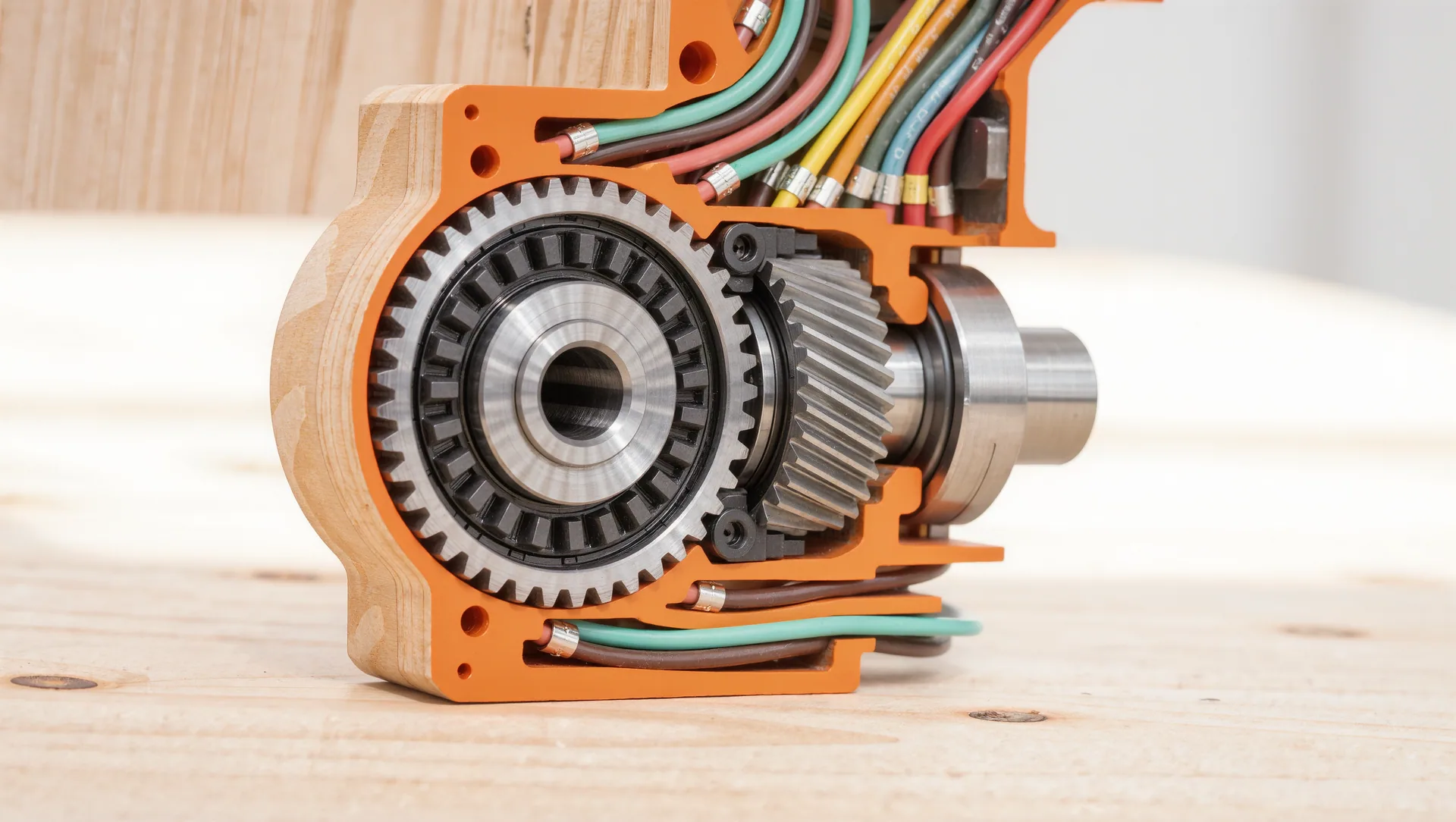
Robotics development faces numerous technical and operational challenges that must be resolved to advance machine capabilities. Current limitations include insufficient precision in complex manipulation tasks, difficulties in real-time environmental perception, and constraints in autonomous decision-making systems. Safety protocols for human-robot collaboration remain underdeveloped, particularly in unstructured environments where unpredictable interactions may occur.
Key technical obstacles include sensor integration limitations, computational processing delays, and power management inefficiencies. Robots struggle with adaptive learning in dynamic environments, often requiring extensive pre-programming for specific tasks. Motion planning algorithms frequently fail when encountering unexpected obstacles or changes in operational parameters.
Manufacturing costs and scalability present additional barriers to widespread robotics adoption. Current production methods for advanced robotic systems remain expensive, limiting deployment to specialized applications. Standardization across different robotic platforms is lacking, creating compatibility issues between systems and components.
Software development challenges include creating robust algorithms for perception, navigation, and manipulation that function reliably across diverse conditions. Machine learning models require extensive training data and computational resources, while real-time processing demands often exceed current hardware capabilities. Integration of multiple subsystems frequently results in increased complexity and potential failure points.
Regulatory frameworks for robotics applications are still developing, creating uncertainty for manufacturers and end-users. Ethical considerations regarding autonomous decision-making and data privacy require ongoing attention as robotic systems become more sophisticated and prevalent in daily operations.
Current robotic technology faces several limitations that hinder its effectiveness in real-world applications. One significant challenge is the lack of adaptability in robots when confronted with unpredictable environments. Many robots are designed for specific tasks and struggle to adjust to changes in their surroundings.
This rigidity can lead to inefficiencies and reduced performance in dynamic settings, such as manufacturing floors or disaster response scenarios. Another limitation is the restricted sensory perception of robots. While advancements have been made in robotic sensors, many robots still lack the ability to interpret complex visual and auditory cues effectively.
This deficiency can result in misinterpretations of their environment, leading to errors in task execution. Furthermore, current robotic systems often require extensive programming and manual intervention, which can be time-consuming and costly.
Innovations in robotic design and engineering are crucial for overcoming the limitations of current technology. One promising approach is the development of modular robots that can be easily reconfigured for various tasks. These robots consist of interchangeable components that allow for quick adaptations to different environments or functions.
This flexibility not only enhances their usability but also reduces downtime associated with reprogramming. Additionally, advancements in materials science have led to the creation of lightweight yet durable materials for robotic construction. These materials enable robots to operate more efficiently while reducing energy consumption.
Innovations such as soft robotics, which utilize flexible materials to mimic biological organisms, are also gaining traction. These robots can navigate complex terrains and interact safely with humans, opening new avenues for applications in healthcare and service industries.
Artificial intelligence plays a pivotal role in addressing many of the challenges faced by robotics today. By incorporating AI algorithms, robots can learn from their experiences and adapt their behavior accordingly. Machine learning techniques enable robots to analyze vast amounts of data, improving their decision-making capabilities in real-time.
This adaptability is essential for robots operating in unpredictable environments where quick responses are necessary. Moreover, AI enhances robotic perception by enabling machines to process sensory information more effectively. Advanced computer vision systems powered by AI can help robots recognize objects, navigate obstacles, and understand complex scenes.
This improved perception allows robots to perform tasks with greater accuracy and efficiency, ultimately leading to better outcomes in various applications.
Safety concerns are paramount when integrating robots into workplaces or public spaces. Ensuring that robots can operate safely alongside humans is a critical challenge that must be addressed. One approach to enhancing safety is the implementation of advanced sensing technologies that allow robots to detect human presence and respond appropriately.
For instance, proximity sensors and cameras can help robots avoid collisions and adjust their movements based on nearby individuals. Additionally, establishing clear communication protocols between humans and robots is essential for fostering trust and collaboration. By developing intuitive interfaces that allow humans to interact seamlessly with robots, we can mitigate potential risks associated with robotic operations.
Enhancing robotic control and precision is crucial for improving performance across various applications. One effective method is the use of advanced control algorithms that enable robots to execute complex movements with high accuracy. These algorithms can compensate for external disturbances, ensuring that robots maintain their intended trajectories even in challenging conditions.
Furthermore, incorporating feedback mechanisms into robotic systems allows for real-time adjustments based on performance metrics. For example, force sensors can provide data on how much pressure a robot applies during a task, enabling it to fine-tune its actions accordingly. This level of precision is particularly important in fields such as surgery or manufacturing, where even minor errors can have significant consequences.
Power and energy limitations pose significant challenges for the widespread adoption of robotics technology. Many current robotic systems rely on traditional battery technologies that may not provide sufficient energy for extended operations. To address this issue, researchers are exploring alternative energy sources such as fuel cells and solar power.
Additionally, advancements in energy-efficient designs can help reduce overall power consumption in robotic systems. By optimizing components and utilizing lightweight materials, engineers can create robots that require less energy to perform their tasks effectively. Energy harvesting technologies that capture ambient energy from the environment are also being investigated as potential solutions to extend operational time without frequent recharging.
Integrating human-robot collaboration is essential for maximizing the potential of robotic systems. Collaborative robots, or cobots, are designed to work alongside humans, enhancing productivity while ensuring safety. These robots can assist workers with repetitive tasks or heavy lifting, allowing human operators to focus on more complex activities that require critical thinking.
Effective collaboration requires intuitive interfaces that facilitate communication between humans and robots. By developing user-friendly control systems and feedback mechanisms, we can create an environment where both parties work harmoniously towards common goals. Training programs that emphasize teamwork between humans and robots will further enhance collaboration and improve overall performance.
Advancements in robotic sensing and perception are transforming how robots interact with their environments. Enhanced sensor technologies enable robots to gather more accurate data about their surroundings, leading to improved decision-making capabilities. For instance, LiDAR (Light Detection and Ranging) systems provide detailed 3D maps of environments, allowing robots to navigate complex spaces with ease.
Moreover, integrating multiple sensor modalities, such as cameras, ultrasonic sensors, and tactile sensors, can significantly enhance a robot's perception capabilities. This multimodal approach allows robots to gather comprehensive information about their environment, leading to better situational awareness and more effective task execution.
Robots often face significant challenges when operating in diverse environmental conditions or rugged terrains. Traditional wheeled robots may struggle on uneven surfaces or obstacles like rocks and debris. To overcome these challenges, engineers are developing specialized locomotion systems such as legged robots or drones capable of navigating complex landscapes.
Additionally, advancements in terrain mapping technologies enable robots to assess their surroundings before executing tasks. By utilizing real-time data from sensors, robots can adapt their movements based on environmental conditions, ensuring they remain effective regardless of the terrain they encounter.
The future of robotics holds immense potential as researchers continue to explore innovative solutions to existing challenges. One promising direction is the integration of advanced AI techniques with robotics to create autonomous systems capable of performing complex tasks without human intervention. These systems could revolutionize industries such as agriculture, logistics, and healthcare by increasing efficiency and reducing labor costs.
Furthermore, ongoing research into soft robotics may lead to the development of machines that can safely interact with humans while performing delicate tasks. As technology continues to advance, we can expect a future where robots play an integral role in our daily lives, enhancing productivity, improving safety, and transforming industries across the globe. In conclusion, addressing the challenges faced by robotics requires a collaborative effort among engineers, researchers, and industry stakeholders.
By embracing innovation and leveraging advanced technologies such as AI and improved sensing capabilities, we can unlock new possibilities for robotic applications that enhance our lives and drive progress across various sectors.
Key technical obstacles include sensor integration limitations, computational processing delays, and power management inefficiencies. Robots struggle with adaptive learning in dynamic environments, often requiring extensive pre-programming for specific tasks. Motion planning algorithms frequently fail when encountering unexpected obstacles or changes in operational parameters.
Manufacturing costs and scalability present additional barriers to widespread robotics adoption. Current production methods for advanced robotic systems remain expensive, limiting deployment to specialized applications. Standardization across different robotic platforms is lacking, creating compatibility issues between systems and components.
Software development challenges include creating robust algorithms for perception, navigation, and manipulation that function reliably across diverse conditions. Machine learning models require extensive training data and computational resources, while real-time processing demands often exceed current hardware capabilities. Integration of multiple subsystems frequently results in increased complexity and potential failure points.
Regulatory frameworks for robotics applications are still developing, creating uncertainty for manufacturers and end-users. Ethical considerations regarding autonomous decision-making and data privacy require ongoing attention as robotic systems become more sophisticated and prevalent in daily operations.
Key Takeaways
- Current robotic technology faces significant limitations in control, power, and environmental adaptability.
- Innovations in design and AI are crucial for enhancing robotic precision and overcoming operational challenges.
- Safety concerns remain a priority in deploying robots across various applications.
- Human-robot collaboration improves performance and expands the potential uses of robotics.
- Future advancements focus on better sensing, perception, and tackling terrain challenges to drive robotic innovation.
Understanding the Limitations of Current Robotic Technology
Current robotic technology faces several limitations that hinder its effectiveness in real-world applications. One significant challenge is the lack of adaptability in robots when confronted with unpredictable environments. Many robots are designed for specific tasks and struggle to adjust to changes in their surroundings.
This rigidity can lead to inefficiencies and reduced performance in dynamic settings, such as manufacturing floors or disaster response scenarios. Another limitation is the restricted sensory perception of robots. While advancements have been made in robotic sensors, many robots still lack the ability to interpret complex visual and auditory cues effectively.
This deficiency can result in misinterpretations of their environment, leading to errors in task execution. Furthermore, current robotic systems often require extensive programming and manual intervention, which can be time-consuming and costly.
Innovations in Robotic Design and Engineering
Innovations in robotic design and engineering are crucial for overcoming the limitations of current technology. One promising approach is the development of modular robots that can be easily reconfigured for various tasks. These robots consist of interchangeable components that allow for quick adaptations to different environments or functions.
This flexibility not only enhances their usability but also reduces downtime associated with reprogramming. Additionally, advancements in materials science have led to the creation of lightweight yet durable materials for robotic construction. These materials enable robots to operate more efficiently while reducing energy consumption.
Innovations such as soft robotics, which utilize flexible materials to mimic biological organisms, are also gaining traction. These robots can navigate complex terrains and interact safely with humans, opening new avenues for applications in healthcare and service industries.
The Role of Artificial Intelligence in Overcoming Robotic Challenges
Artificial intelligence plays a pivotal role in addressing many of the challenges faced by robotics today. By incorporating AI algorithms, robots can learn from their experiences and adapt their behavior accordingly. Machine learning techniques enable robots to analyze vast amounts of data, improving their decision-making capabilities in real-time.
This adaptability is essential for robots operating in unpredictable environments where quick responses are necessary. Moreover, AI enhances robotic perception by enabling machines to process sensory information more effectively. Advanced computer vision systems powered by AI can help robots recognize objects, navigate obstacles, and understand complex scenes.
This improved perception allows robots to perform tasks with greater accuracy and efficiency, ultimately leading to better outcomes in various applications.
Addressing Safety Concerns in Robotic Applications
Safety concerns are paramount when integrating robots into workplaces or public spaces. Ensuring that robots can operate safely alongside humans is a critical challenge that must be addressed. One approach to enhancing safety is the implementation of advanced sensing technologies that allow robots to detect human presence and respond appropriately.
For instance, proximity sensors and cameras can help robots avoid collisions and adjust their movements based on nearby individuals. Additionally, establishing clear communication protocols between humans and robots is essential for fostering trust and collaboration. By developing intuitive interfaces that allow humans to interact seamlessly with robots, we can mitigate potential risks associated with robotic operations.
Enhancing Robotic Control and Precision
Enhancing robotic control and precision is crucial for improving performance across various applications. One effective method is the use of advanced control algorithms that enable robots to execute complex movements with high accuracy. These algorithms can compensate for external disturbances, ensuring that robots maintain their intended trajectories even in challenging conditions.
Furthermore, incorporating feedback mechanisms into robotic systems allows for real-time adjustments based on performance metrics. For example, force sensors can provide data on how much pressure a robot applies during a task, enabling it to fine-tune its actions accordingly. This level of precision is particularly important in fields such as surgery or manufacturing, where even minor errors can have significant consequences.
Overcoming Power and Energy Limitations in Robotics
Power and energy limitations pose significant challenges for the widespread adoption of robotics technology. Many current robotic systems rely on traditional battery technologies that may not provide sufficient energy for extended operations. To address this issue, researchers are exploring alternative energy sources such as fuel cells and solar power.
Additionally, advancements in energy-efficient designs can help reduce overall power consumption in robotic systems. By optimizing components and utilizing lightweight materials, engineers can create robots that require less energy to perform their tasks effectively. Energy harvesting technologies that capture ambient energy from the environment are also being investigated as potential solutions to extend operational time without frequent recharging.
Integrating Human-Robot Collaboration for Improved Performance
Integrating human-robot collaboration is essential for maximizing the potential of robotic systems. Collaborative robots, or cobots, are designed to work alongside humans, enhancing productivity while ensuring safety. These robots can assist workers with repetitive tasks or heavy lifting, allowing human operators to focus on more complex activities that require critical thinking.
Effective collaboration requires intuitive interfaces that facilitate communication between humans and robots. By developing user-friendly control systems and feedback mechanisms, we can create an environment where both parties work harmoniously towards common goals. Training programs that emphasize teamwork between humans and robots will further enhance collaboration and improve overall performance.
Advancements in Robotic Sensing and Perception
Advancements in robotic sensing and perception are transforming how robots interact with their environments. Enhanced sensor technologies enable robots to gather more accurate data about their surroundings, leading to improved decision-making capabilities. For instance, LiDAR (Light Detection and Ranging) systems provide detailed 3D maps of environments, allowing robots to navigate complex spaces with ease.
Moreover, integrating multiple sensor modalities, such as cameras, ultrasonic sensors, and tactile sensors, can significantly enhance a robot's perception capabilities. This multimodal approach allows robots to gather comprehensive information about their environment, leading to better situational awareness and more effective task execution.
Overcoming Environmental and Terrain Challenges in Robotic Applications
Robots often face significant challenges when operating in diverse environmental conditions or rugged terrains. Traditional wheeled robots may struggle on uneven surfaces or obstacles like rocks and debris. To overcome these challenges, engineers are developing specialized locomotion systems such as legged robots or drones capable of navigating complex landscapes.
Additionally, advancements in terrain mapping technologies enable robots to assess their surroundings before executing tasks. By utilizing real-time data from sensors, robots can adapt their movements based on environmental conditions, ensuring they remain effective regardless of the terrain they encounter.
Future Directions in Robotic Innovation and Solutions
The future of robotics holds immense potential as researchers continue to explore innovative solutions to existing challenges. One promising direction is the integration of advanced AI techniques with robotics to create autonomous systems capable of performing complex tasks without human intervention. These systems could revolutionize industries such as agriculture, logistics, and healthcare by increasing efficiency and reducing labor costs.
Furthermore, ongoing research into soft robotics may lead to the development of machines that can safely interact with humans while performing delicate tasks. As technology continues to advance, we can expect a future where robots play an integral role in our daily lives, enhancing productivity, improving safety, and transforming industries across the globe. In conclusion, addressing the challenges faced by robotics requires a collaborative effort among engineers, researchers, and industry stakeholders.
By embracing innovation and leveraging advanced technologies such as AI and improved sensing capabilities, we can unlock new possibilities for robotic applications that enhance our lives and drive progress across various sectors.
FAQs
What are robotic challenges?
Robotic challenges are competitions or events designed to test the abilities of robots and their creators in various tasks such as navigation, manipulation, problem-solving, and autonomous operation.Who can participate in robotic challenges?
Participants can range from students and hobbyists to professional engineers and researchers. Many challenges are open to individuals, teams, educational institutions, and companies.What types of tasks are common in robotic challenges?
Common tasks include obstacle avoidance, object recognition and manipulation, autonomous navigation, search and rescue simulations, and completing specific missions within a set time.Why are robotic challenges important?
They promote innovation, encourage learning and collaboration, advance robotics technology, and help participants develop practical skills in design, programming, and problem-solving.Are there different categories of robotic challenges?
Yes, challenges can be categorized by robot type (e.g., aerial drones, ground vehicles, humanoid robots), application area (e.g., industrial, medical, military), or skill focus (e.g., speed, precision, autonomy).How are robotic challenges judged?
Judging criteria vary but often include task completion, accuracy, speed, creativity, design innovation, and adherence to competition rules.Where can I find robotic challenges to participate in?
Robotic challenges are hosted by universities, robotics organizations, companies, and online platforms. Examples include RoboCup, DARPA Robotics Challenge, FIRST Robotics Competition, and various hackathons.Do robotic challenges require prior experience?
While some challenges are beginner-friendly, many require knowledge in robotics, programming, and engineering. However, many events provide resources and mentorship to help newcomers.What skills can I develop by participating in robotic challenges?
Participants can improve skills in mechanical design, electronics, programming, teamwork, project management, and creative problem-solving.Are robotic challenges conducted globally?
Yes, robotic challenges take place worldwide, often attracting international teams and fostering global collaboration in robotics research and development.More in
More from Robotic
Robotic · 9 min
Robotic Precision: The Future of Automation
Robotic precision refers to the ability of automated systems to perform tasks with extremely high accuracy and repeatability. Modern industrial robots…
Robotic · 8 min
Advancements in Robotic Motion Control
Robotic motion control is a fundamental technology in modern automation systems that enables robots to execute precise movements through sophisticated…

Robotic · 9 min
Efficient Robotic Path Planning for Improved Navigation
Robotic path planning constitutes a fundamental component of robotics engineering that focuses on calculating optimal trajectories for robots to move …