Robotic · Robotic
The Future of Robotics: Innovations in the Robotic Industry
Robotics has undergone significant development since its origins, progressing from basic mechanical systems to advanced machines that execute complex operations. The field traces i…

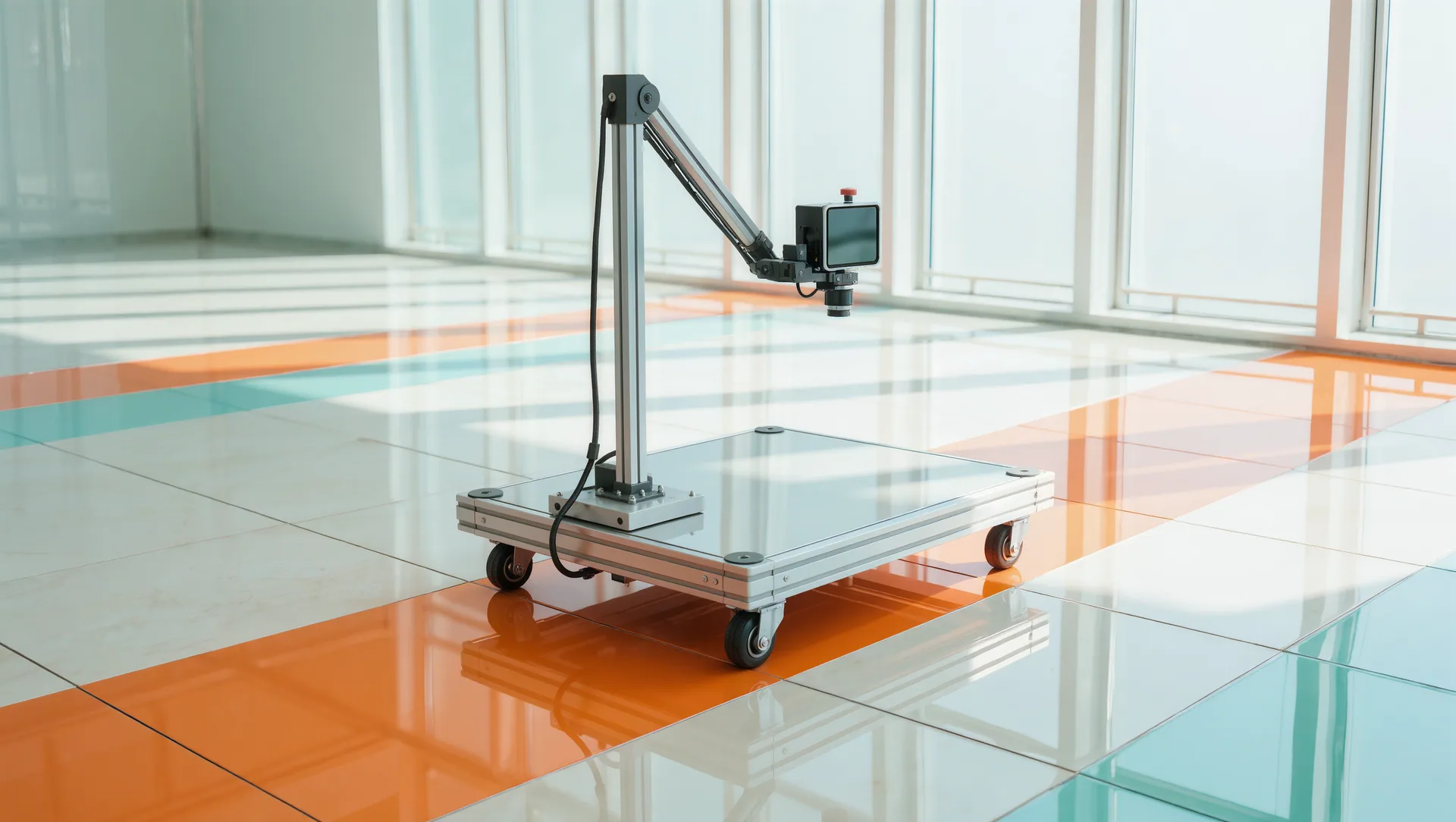
Robotics has undergone significant development since its origins, progressing from basic mechanical systems to advanced machines that execute complex operations. The field traces its roots to ancient automated devices, with accelerated advancement occurring in recent decades through technological breakthroughs. Contemporary robotics spans diverse sectors including industrial automation, manufacturing, healthcare, and consumer applications, substantially altering operational processes across multiple industries.
The development of modern robotics has been marked by several critical technological milestones. The convergence of electronics, computer science, and mechanical engineering has enabled the creation of robots with learning capabilities, environmental adaptation, and interactive functionality. Key innovations include the development of programmable logic controllers, sensor technologies, actuator systems, and computational processing power that supports real-time decision-making.
Artificial intelligence integration has become a defining characteristic of contemporary robotics, enabling machines to process data, recognize patterns, and execute autonomous functions. This technological synthesis has produced applications ranging from precision manufacturing and surgical procedures to logistics automation and space exploration. Current research focuses on machine learning algorithms, computer vision systems, and human-robot interaction protocols that continue to expand robotic capabilities and applications across various sectors.
Artificial intelligence (AI) has become a cornerstone of modern robotics, enabling machines to perform tasks that were once thought to be exclusive to humans. The integration of AI into robotics has led to the development of intelligent systems capable of learning from their experiences and making decisions based on data analysis. This synergy between AI and robotics has opened new avenues for innovation, allowing robots to operate autonomously in dynamic environments.
One of the most significant advancements in AI-driven robotics is machine learning, which allows robots to improve their performance over time. For instance, robots equipped with machine learning algorithms can analyze vast amounts of data to identify patterns and optimize their operations. This capability is particularly beneficial in industries such as manufacturing and logistics, where efficiency and accuracy are paramount.
As AI continues to evolve, we can expect even more sophisticated robots that can adapt to changing conditions and perform complex tasks with minimal human intervention.
Collaborative robots, or cobots, represent a significant shift in the manufacturing landscape. Unlike traditional industrial robots that operate in isolation, cobots are designed to work alongside human workers, enhancing productivity and safety. This collaboration allows for a more flexible manufacturing process, where robots can assist with repetitive tasks while humans focus on more complex activities that require creativity and problem-solving skills.
The rise of cobots has been driven by advancements in sensor technology and AI, enabling these machines to understand their surroundings and interact safely with humans. For example, cobots can detect when a human is nearby and adjust their speed or stop altogether to prevent accidents. This level of safety and adaptability makes cobots an attractive option for manufacturers looking to streamline operations without sacrificing worker safety.
As industries continue to embrace this technology, we can expect cobots to play an increasingly vital role in shaping the future of manufacturing.
Robotics is revolutionizing healthcare by improving patient care and enhancing medical procedures. Surgical robots, for instance, allow surgeons to perform minimally invasive operations with greater precision and control. These advanced systems provide high-definition 3D visualization and robotic arms that can maneuver with unparalleled dexterity, resulting in shorter recovery times and reduced risk of complications for patients.
In addition to surgical applications, robots are also being used for rehabilitation and patient assistance. Robotic exoskeletons help individuals regain mobility after injuries or surgeries, while robotic companions provide support for elderly patients or those with chronic conditions. These innovations not only improve the quality of care but also enhance the overall patient experience by promoting independence and comfort.
As technology continues to advance, the potential for robotics in healthcare will only expand, leading to more effective treatments and improved outcomes.
Autonomous vehicles (AVs) are at the forefront of technological innovation in transportation. These self-driving cars utilize a combination of sensors, cameras, and AI algorithms to navigate roads without human intervention.
The rise of autonomous delivery services is another exciting development in this field. Companies are exploring the use of drones and ground-based robots to deliver goods efficiently and quickly. This shift not only enhances convenience for consumers but also reduces the environmental impact associated with traditional delivery methods.
As AV technology continues to mature, we can expect a significant transformation in how we approach transportation and logistics.
Robotics is making significant strides in agriculture, addressing challenges such as labor shortages and the need for sustainable practices. Agricultural robots are designed to perform various tasks, including planting, harvesting, and monitoring crop health. These machines can operate around the clock, increasing efficiency and productivity while reducing the reliance on manual labor.
Moreover, robotics in agriculture promotes sustainability by optimizing resource use. Precision farming techniques enabled by robotic systems allow farmers to apply water, fertilizers, and pesticides more effectively, minimizing waste and environmental impact. As global demand for food continues to rise, the integration of robotics into agriculture will be crucial for ensuring food security while preserving our planet's resources.
Robotics plays a pivotal role in space exploration, enabling us to explore distant planets and gather data without risking human lives. Robotic spacecraft have been instrumental in missions to Mars, Saturn, and beyond, providing valuable insights into our solar system's composition and history. These machines can withstand harsh environments and perform tasks that would be impossible for humans.
Additionally, robotic systems are being developed for future lunar missions and potential manned missions to Mars. These robots will assist astronauts by conducting experiments, building habitats, and even mining resources. As we push the boundaries of discovery in space exploration, robotics will continue to be a vital tool in expanding our understanding of the universe.
The integration of robotics into everyday life is becoming increasingly prevalent as technology advances. Smart home devices equipped with robotic capabilities allow homeowners to automate tasks such as cleaning, security monitoring, and energy management. For instance, robotic vacuum cleaners can navigate homes autonomously, providing convenience while saving time for residents.
Personal assistants powered by AI are also transforming how we interact with technology. Devices like smart speakers can respond to voice commands, control other smart devices, and provide information on demand. This seamless integration of robotics into daily routines enhances convenience and efficiency while making technology more accessible to everyone.
As robotics continues to advance rapidly, ethical considerations surrounding automation become increasingly important. One major concern is job displacement; as robots take over tasks traditionally performed by humans, there is a fear that many workers may lose their jobs. It is crucial for society to address these challenges proactively by investing in education and retraining programs that prepare workers for new roles in an automated world.
Another ethical consideration involves ensuring that robots are designed with safety and fairness in mind. As machines become more autonomous, questions arise about accountability when things go wrong. Establishing clear guidelines for the ethical use of robotics will be essential as we navigate this evolving landscape.
Looking ahead, the future of robotics holds exciting possibilities across various sectors. We can expect continued advancements in AI-driven robotics that enhance capabilities and improve efficiency. Industries such as healthcare, manufacturing, transportation, and agriculture will likely see increased automation as businesses seek innovative solutions to meet growing demands.
Moreover, as public acceptance of robotics grows, we may witness a surge in consumer-oriented robotic products designed for personal use. From home assistants to advanced fitness trackers, these innovations will further integrate robotics into our daily lives. The next decade promises a transformative journey as we embrace the potential of robotics to shape our future.
In conclusion, robotics is poised to play a transformative role across various industries and aspects of daily life. From enhancing manufacturing processes to revolutionizing healthcare and agriculture, the impact of robotics is profound and far-reaching. As we continue to explore advancements in AI and automation technologies, it is essential to address ethical considerations while embracing the potential benefits that robotics offers.
By fostering innovation and collaboration between humans and machines, we can create a future where robotics enhances our capabilities rather than replaces them. Embracing this potential will not only lead to increased efficiency but also improve our quality of life as we navigate an increasingly automated world. The journey into the future of robotics is just beginning, let us embrace it together.
The development of modern robotics has been marked by several critical technological milestones. The convergence of electronics, computer science, and mechanical engineering has enabled the creation of robots with learning capabilities, environmental adaptation, and interactive functionality. Key innovations include the development of programmable logic controllers, sensor technologies, actuator systems, and computational processing power that supports real-time decision-making.
Artificial intelligence integration has become a defining characteristic of contemporary robotics, enabling machines to process data, recognize patterns, and execute autonomous functions. This technological synthesis has produced applications ranging from precision manufacturing and surgical procedures to logistics automation and space exploration. Current research focuses on machine learning algorithms, computer vision systems, and human-robot interaction protocols that continue to expand robotic capabilities and applications across various sectors.
Key Takeaways
- Robotics has evolved significantly, integrating AI to enhance capabilities across various industries.
- Collaborative robots (cobots) are transforming manufacturing by working alongside humans safely and efficiently.
- Robotics is revolutionizing healthcare through improved patient care and advanced medical procedures.
- Autonomous vehicles and agricultural robots are driving innovation in transportation and sustainable farming.
- Ethical considerations, including job displacement, are critical as robotics become more integrated into daily life and future developments.
Advancements in Artificial Intelligence: The Role of AI in Robotics
Artificial intelligence (AI) has become a cornerstone of modern robotics, enabling machines to perform tasks that were once thought to be exclusive to humans. The integration of AI into robotics has led to the development of intelligent systems capable of learning from their experiences and making decisions based on data analysis. This synergy between AI and robotics has opened new avenues for innovation, allowing robots to operate autonomously in dynamic environments.
One of the most significant advancements in AI-driven robotics is machine learning, which allows robots to improve their performance over time. For instance, robots equipped with machine learning algorithms can analyze vast amounts of data to identify patterns and optimize their operations. This capability is particularly beneficial in industries such as manufacturing and logistics, where efficiency and accuracy are paramount.
As AI continues to evolve, we can expect even more sophisticated robots that can adapt to changing conditions and perform complex tasks with minimal human intervention.
The Rise of Collaborative Robots: How Cobots are Changing the Manufacturing Industry
Collaborative robots, or cobots, represent a significant shift in the manufacturing landscape. Unlike traditional industrial robots that operate in isolation, cobots are designed to work alongside human workers, enhancing productivity and safety. This collaboration allows for a more flexible manufacturing process, where robots can assist with repetitive tasks while humans focus on more complex activities that require creativity and problem-solving skills.
The rise of cobots has been driven by advancements in sensor technology and AI, enabling these machines to understand their surroundings and interact safely with humans. For example, cobots can detect when a human is nearby and adjust their speed or stop altogether to prevent accidents. This level of safety and adaptability makes cobots an attractive option for manufacturers looking to streamline operations without sacrificing worker safety.
As industries continue to embrace this technology, we can expect cobots to play an increasingly vital role in shaping the future of manufacturing.
The Impact of Robotics in Healthcare: Revolutionizing Patient Care and Medical Procedures
Robotics is revolutionizing healthcare by improving patient care and enhancing medical procedures. Surgical robots, for instance, allow surgeons to perform minimally invasive operations with greater precision and control. These advanced systems provide high-definition 3D visualization and robotic arms that can maneuver with unparalleled dexterity, resulting in shorter recovery times and reduced risk of complications for patients.
In addition to surgical applications, robots are also being used for rehabilitation and patient assistance. Robotic exoskeletons help individuals regain mobility after injuries or surgeries, while robotic companions provide support for elderly patients or those with chronic conditions. These innovations not only improve the quality of care but also enhance the overall patient experience by promoting independence and comfort.
As technology continues to advance, the potential for robotics in healthcare will only expand, leading to more effective treatments and improved outcomes.
Autonomous Vehicles: The Future of Transportation and Delivery Services
Autonomous vehicles (AVs) are at the forefront of technological innovation in transportation. These self-driving cars utilize a combination of sensors, cameras, and AI algorithms to navigate roads without human intervention.
The rise of autonomous delivery services is another exciting development in this field. Companies are exploring the use of drones and ground-based robots to deliver goods efficiently and quickly. This shift not only enhances convenience for consumers but also reduces the environmental impact associated with traditional delivery methods.
As AV technology continues to mature, we can expect a significant transformation in how we approach transportation and logistics.
Robotics in Agriculture: Enhancing Farming Efficiency and Sustainability
Robotics is making significant strides in agriculture, addressing challenges such as labor shortages and the need for sustainable practices. Agricultural robots are designed to perform various tasks, including planting, harvesting, and monitoring crop health. These machines can operate around the clock, increasing efficiency and productivity while reducing the reliance on manual labor.
Moreover, robotics in agriculture promotes sustainability by optimizing resource use. Precision farming techniques enabled by robotic systems allow farmers to apply water, fertilizers, and pesticides more effectively, minimizing waste and environmental impact. As global demand for food continues to rise, the integration of robotics into agriculture will be crucial for ensuring food security while preserving our planet's resources.
The Role of Robotics in Space Exploration: Pushing the Boundaries of Discovery
Robotics plays a pivotal role in space exploration, enabling us to explore distant planets and gather data without risking human lives. Robotic spacecraft have been instrumental in missions to Mars, Saturn, and beyond, providing valuable insights into our solar system's composition and history. These machines can withstand harsh environments and perform tasks that would be impossible for humans.
Additionally, robotic systems are being developed for future lunar missions and potential manned missions to Mars. These robots will assist astronauts by conducting experiments, building habitats, and even mining resources. As we push the boundaries of discovery in space exploration, robotics will continue to be a vital tool in expanding our understanding of the universe.
The Integration of Robotics in Everyday Life: From Smart Homes to Personal Assistants
The integration of robotics into everyday life is becoming increasingly prevalent as technology advances. Smart home devices equipped with robotic capabilities allow homeowners to automate tasks such as cleaning, security monitoring, and energy management. For instance, robotic vacuum cleaners can navigate homes autonomously, providing convenience while saving time for residents.
Personal assistants powered by AI are also transforming how we interact with technology. Devices like smart speakers can respond to voice commands, control other smart devices, and provide information on demand. This seamless integration of robotics into daily routines enhances convenience and efficiency while making technology more accessible to everyone.
The Ethical Considerations of Robotics: Addressing the Challenges of Automation and Job Displacement
As robotics continues to advance rapidly, ethical considerations surrounding automation become increasingly important. One major concern is job displacement; as robots take over tasks traditionally performed by humans, there is a fear that many workers may lose their jobs. It is crucial for society to address these challenges proactively by investing in education and retraining programs that prepare workers for new roles in an automated world.
Another ethical consideration involves ensuring that robots are designed with safety and fairness in mind. As machines become more autonomous, questions arise about accountability when things go wrong. Establishing clear guidelines for the ethical use of robotics will be essential as we navigate this evolving landscape.
The Future of Robotics: Predictions and Possibilities for the Next Decade
Looking ahead, the future of robotics holds exciting possibilities across various sectors. We can expect continued advancements in AI-driven robotics that enhance capabilities and improve efficiency. Industries such as healthcare, manufacturing, transportation, and agriculture will likely see increased automation as businesses seek innovative solutions to meet growing demands.
Moreover, as public acceptance of robotics grows, we may witness a surge in consumer-oriented robotic products designed for personal use. From home assistants to advanced fitness trackers, these innovations will further integrate robotics into our daily lives. The next decade promises a transformative journey as we embrace the potential of robotics to shape our future.
Embracing the Potential of Robotics in Shaping the Future
In conclusion, robotics is poised to play a transformative role across various industries and aspects of daily life. From enhancing manufacturing processes to revolutionizing healthcare and agriculture, the impact of robotics is profound and far-reaching. As we continue to explore advancements in AI and automation technologies, it is essential to address ethical considerations while embracing the potential benefits that robotics offers.
By fostering innovation and collaboration between humans and machines, we can create a future where robotics enhances our capabilities rather than replaces them. Embracing this potential will not only lead to increased efficiency but also improve our quality of life as we navigate an increasingly automated world. The journey into the future of robotics is just beginning, let us embrace it together.
FAQs
What is the robotic industry?
The robotic industry involves the design, manufacture, and application of robots across various sectors such as manufacturing, healthcare, agriculture, and logistics. It focuses on creating automated machines that can perform tasks traditionally done by humans.What are the main types of robots used in the industry?
The main types of industrial robots include articulated robots, SCARA robots, delta robots, and Cartesian robots. Each type is designed for specific tasks such as assembly, welding, painting, packaging, and material handling.Which sectors benefit the most from robotics?
Key sectors benefiting from robotics include automotive manufacturing, electronics, healthcare (surgical robots), agriculture (harvesting robots), logistics (automated warehouses), and food processing.How does robotics improve manufacturing processes?
Robotics enhances manufacturing by increasing precision, speed, and consistency while reducing human error and labor costs. Robots can operate continuously, improving productivity and safety in hazardous environments.What are collaborative robots (cobots)?
Collaborative robots, or cobots, are designed to work alongside human workers safely. They assist with tasks that require flexibility and adaptability, enhancing human-robot collaboration on the factory floor.What are the challenges faced by the robotic industry?
Challenges include high initial investment costs, technical complexity, integration with existing systems, cybersecurity risks, and the need for skilled personnel to operate and maintain robotic systems.How is artificial intelligence (AI) integrated into robotics?
AI enables robots to perform complex tasks by allowing them to learn from data, recognize patterns, and make decisions. This integration leads to smarter, more autonomous robots capable of adapting to changing environments.What is the future outlook for the robotic industry?
The robotic industry is expected to grow significantly, driven by advancements in AI, machine learning, sensor technology, and increased demand for automation across various sectors. This growth will lead to more sophisticated and versatile robotic solutions.Are robots replacing human jobs?
While robots automate repetitive and hazardous tasks, they also create new job opportunities in robot design, programming, maintenance, and supervision. The industry aims to augment human capabilities rather than completely replace human workers.What safety standards govern the use of robots in industry?
Safety standards such as ISO 10218 and ISO/TS 15066 provide guidelines for the design, installation, and operation of industrial robots to ensure safe human-robot interaction and prevent accidents.More in
More from Robotic
Robotic · 9 min
Robotic Precision: The Future of Automation
Robotic precision refers to the ability of automated systems to perform tasks with extremely high accuracy and repeatability. Modern industrial robots…
Robotic · 8 min
Advancements in Robotic Motion Control
Robotic motion control is a fundamental technology in modern automation systems that enables robots to execute precise movements through sophisticated…

Robotic · 9 min
Efficient Robotic Path Planning for Improved Navigation
Robotic path planning constitutes a fundamental component of robotics engineering that focuses on calculating optimal trajectories for robots to move …