Robotic · Robotic
The Future of Robotics: Advancements and Applications
Robotics represents an interdisciplinary field combining engineering, computer science, and advanced technology that has undergone substantial development since its conceptual orig…

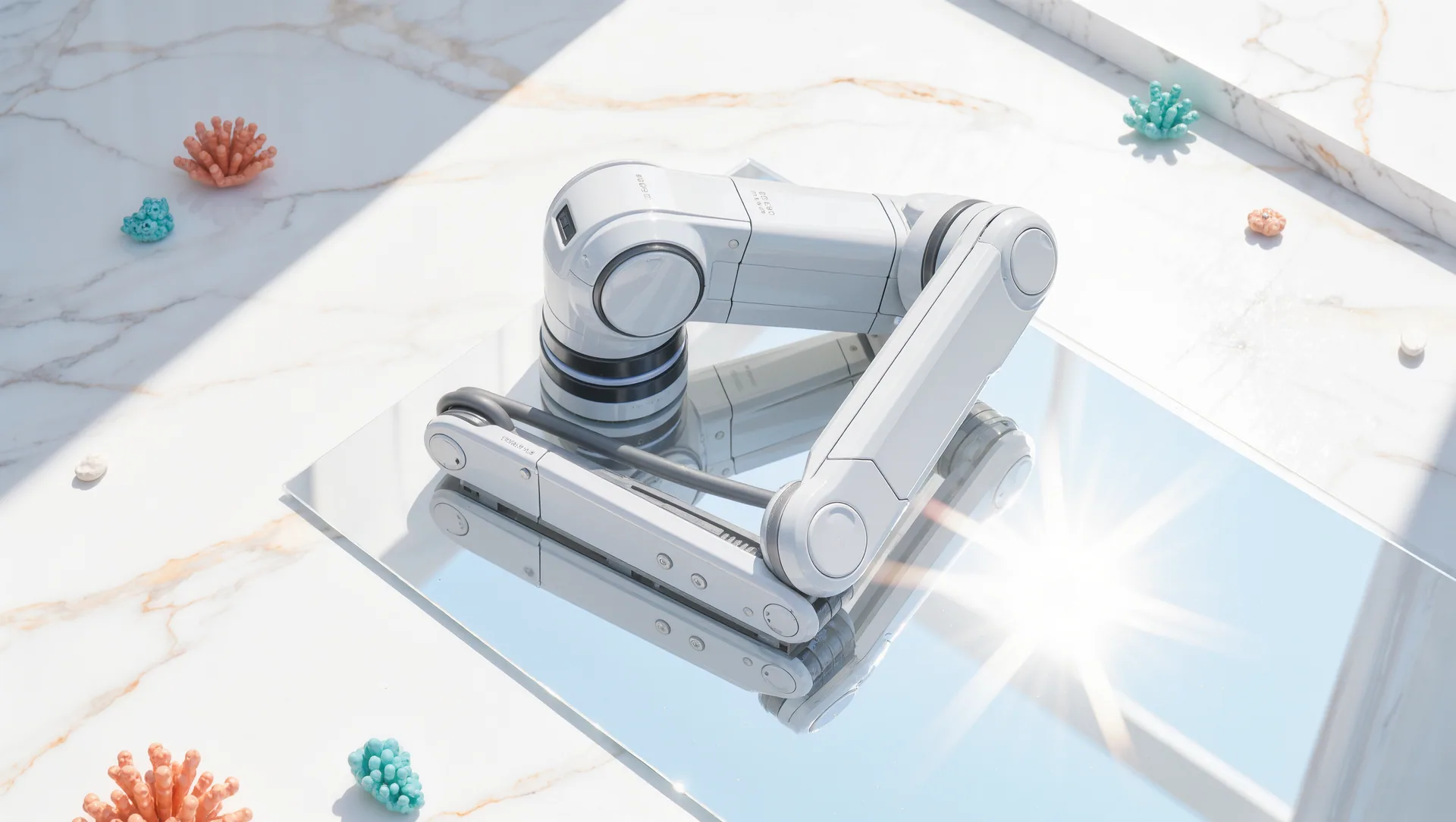
Robotics represents an interdisciplinary field combining engineering, computer science, and advanced technology that has undergone substantial development since its conceptual origins. The term "robot" originated from Czech playwright Karel Čapek's 1920 theatrical work "R.U.R." (Rossum's Universal Robots), which portrayed artificial entities designed for human service. This foundational concept established the framework for developing autonomous task-performing machines.
Throughout subsequent decades, robotics has progressed from basic mechanical apparatus to advanced systems incorporating sensors, artificial intelligence, and machine learning technologies. The evolution of robotics traces to the early 1900s with the emergence of initial industrial robots. These machines operated primarily within manufacturing environments, executing repetitive operations to improve efficiency and productivity metrics.
Technological advancement has correspondingly increased robot complexity and functional capabilities. Contemporary robotics spans diverse applications ranging from industrial automation systems to personal assistance devices, demonstrating the field's adaptability and capacity for cross-sector transformation.
Artificial intelligence (AI) and machine learning (ML) have revolutionized the field of robotics, enabling machines to learn from data and improve their performance over time. AI algorithms allow robots to process vast amounts of information, recognize patterns, and make decisions based on their environment. This capability has led to the development of autonomous robots that can navigate complex environments without human intervention.
Recent advancements in deep learning have further enhanced the capabilities of robots. By utilizing neural networks, robots can analyze visual data, understand natural language, and even engage in complex problem-solving tasks. These developments have opened new avenues for robotics applications, making them more adaptable and efficient in various fields, including healthcare, manufacturing, and transportation.
Robotics has made significant strides in healthcare, improving patient outcomes and streamlining medical processes. Surgical robots, such as the da Vinci Surgical System, allow surgeons to perform minimally invasive procedures with enhanced precision and control. These robots provide high-definition 3D visualization and robotic arms that can maneuver with greater dexterity than human hands.
In addition to surgical applications, robots are increasingly being used for rehabilitation and patient care. Robotic exoskeletons assist individuals with mobility impairments, helping them regain movement and independence. Telepresence robots enable healthcare professionals to remotely monitor patients, providing timely interventions and reducing the need for hospital visits.
The integration of robotics in healthcare not only enhances treatment options but also improves the overall patient experience.
The manufacturing sector has been at the forefront of robotics adoption, leveraging automation to enhance productivity and reduce costs. Industrial robots are now commonplace on assembly lines, performing tasks such as welding, painting, and packaging with remarkable speed and accuracy. These machines can operate continuously without fatigue, leading to increased output and efficiency.
Moreover, collaborative robots, or cobots, are designed to work alongside human workers, enhancing safety and productivity. These robots can assist with repetitive tasks while allowing humans to focus on more complex activities that require creativity and critical thinking. The integration of robotics in manufacturing not only streamlines operations but also fosters a safer work environment by reducing the risk of workplace injuries.
Robotics is transforming the transportation and logistics industries by optimizing supply chain operations and enhancing delivery systems. Autonomous vehicles are being developed to navigate roads without human intervention, promising safer and more efficient transportation solutions. Companies like Waymo and Tesla are leading the charge in creating self-driving cars that can reduce traffic accidents and improve fuel efficiency.
In logistics, robots are revolutionizing warehouse operations by automating inventory management and order fulfillment processes. Automated guided vehicles (AGVs) transport goods within warehouses, while robotic arms pick and pack items for shipment. This automation not only speeds up operations but also minimizes human error, ensuring accurate order processing.
As robotics continues to advance in transportation and logistics, we can expect significant improvements in efficiency and cost-effectiveness.
The future of robotics in space exploration is promising, with advancements paving the way for more ambitious missions beyond Earth. Robotic spacecraft have already played a crucial role in exploring distant planets and moons, gathering valuable data about our solar system. NASA's Mars rovers, such as Curiosity and Perseverance, have provided insights into the Martian landscape and potential signs of past life.
Looking ahead, robotics will be essential for future space missions aimed at colonizing other planets or asteroids. Autonomous robots could construct habitats on Mars or assist astronauts in conducting experiments in harsh environments. Additionally, robotic systems will be vital for resource extraction in space, enabling sustainable exploration efforts.
The integration of robotics in space exploration not only enhances our understanding of the universe but also lays the groundwork for future human settlement beyond Earth.
As robotics technology advances, ethical considerations become increasingly important. The deployment of autonomous systems raises questions about accountability and decision-making in critical situations. For instance, if a self-driving car is involved in an accident, determining liability can be complex.
Society must grapple with these ethical dilemmas as we integrate robotics into everyday life. Moreover, concerns about job displacement due to automation are prevalent. While robotics can enhance productivity, there is a fear that widespread adoption may lead to significant job losses in certain sectors.
It is crucial for policymakers to address these challenges by promoting workforce retraining programs and ensuring that the benefits of robotics are shared equitably across society.
Robotics is becoming an integral part of our daily lives, enhancing convenience and efficiency in various tasks. From household chores to personal assistance, robots are designed to simplify our routines. Robotic vacuum cleaners like Roomba autonomously navigate homes to keep floors clean without human intervention.
In addition to household applications, social robots are emerging as companions for individuals seeking interaction or support. These robots can engage in conversation, provide reminders for medication schedules, or even assist with mental health support through interactive engagement. As robotics continues to evolve, we can expect even greater integration into our daily lives, improving our quality of life.
Robotics holds immense potential for disaster response and relief efforts. In situations where human access is limited or dangerous, such as earthquakes or hazardous material spills, robots can be deployed to assess damage and deliver aid. Drones equipped with cameras can provide real-time aerial views of disaster zones, helping emergency responders make informed decisions.
Additionally, ground-based robots can navigate rubble or hazardous environments to locate survivors or deliver supplies. These robotic systems enhance the efficiency of rescue operations while minimizing risks to human responders. As technology advances, we can expect more sophisticated robotic solutions that will play a crucial role in disaster management.
Robotics is increasingly being utilized for environmental conservation efforts aimed at protecting ecosystems and promoting sustainability. Drones are employed for wildlife monitoring, allowing researchers to track animal populations without disturbing their habitats. These aerial systems can cover vast areas quickly, providing valuable data for conservation initiatives.
Moreover, underwater robots are being developed to monitor ocean health and assess coral reef conditions. These robots can collect data on water quality and marine life while minimizing human impact on delicate ecosystems. By leveraging robotics for environmental conservation, we can enhance our understanding of ecological challenges and develop effective strategies for sustainability.
The promise of robotics is vast, with potential applications spanning numerous industries and aspects of daily life. As technology continues to advance, we can expect robots to play an increasingly prominent role in healthcare, manufacturing, transportation, space exploration, disaster response, and environmental conservation. However, it is essential to address ethical considerations and challenges associated with this rapid evolution.
By fostering collaboration between technologists, policymakers, and society at large, we can harness the power of robotics responsibly while maximizing its benefits for humanity. The future holds exciting possibilities as we continue to explore the potential of robotics to improve our lives and address global challenges effectively.
Throughout subsequent decades, robotics has progressed from basic mechanical apparatus to advanced systems incorporating sensors, artificial intelligence, and machine learning technologies. The evolution of robotics traces to the early 1900s with the emergence of initial industrial robots. These machines operated primarily within manufacturing environments, executing repetitive operations to improve efficiency and productivity metrics.
Technological advancement has correspondingly increased robot complexity and functional capabilities. Contemporary robotics spans diverse applications ranging from industrial automation systems to personal assistance devices, demonstrating the field's adaptability and capacity for cross-sector transformation.
Key Takeaways
- Robotics has evolved from simple mechanical devices to advanced systems integrated with AI and machine learning.
- Healthcare and manufacturing industries are significantly benefiting from robotic automation and precision.
- Robotics is transforming transportation, logistics, and space exploration with increased efficiency and capabilities.
- Ethical challenges and societal impacts must be addressed as robotics become more integrated into daily life.
- Robotics holds great promise for disaster response, environmental conservation, and sustainable development.
Advancements in Artificial Intelligence and Machine Learning
Artificial intelligence (AI) and machine learning (ML) have revolutionized the field of robotics, enabling machines to learn from data and improve their performance over time. AI algorithms allow robots to process vast amounts of information, recognize patterns, and make decisions based on their environment. This capability has led to the development of autonomous robots that can navigate complex environments without human intervention.
Recent advancements in deep learning have further enhanced the capabilities of robots. By utilizing neural networks, robots can analyze visual data, understand natural language, and even engage in complex problem-solving tasks. These developments have opened new avenues for robotics applications, making them more adaptable and efficient in various fields, including healthcare, manufacturing, and transportation.
The Role of Robotics in Healthcare and Medicine
Robotics has made significant strides in healthcare, improving patient outcomes and streamlining medical processes. Surgical robots, such as the da Vinci Surgical System, allow surgeons to perform minimally invasive procedures with enhanced precision and control. These robots provide high-definition 3D visualization and robotic arms that can maneuver with greater dexterity than human hands.
In addition to surgical applications, robots are increasingly being used for rehabilitation and patient care. Robotic exoskeletons assist individuals with mobility impairments, helping them regain movement and independence. Telepresence robots enable healthcare professionals to remotely monitor patients, providing timely interventions and reducing the need for hospital visits.
The integration of robotics in healthcare not only enhances treatment options but also improves the overall patient experience.
Robotics in Manufacturing and Industry
The manufacturing sector has been at the forefront of robotics adoption, leveraging automation to enhance productivity and reduce costs. Industrial robots are now commonplace on assembly lines, performing tasks such as welding, painting, and packaging with remarkable speed and accuracy. These machines can operate continuously without fatigue, leading to increased output and efficiency.
Moreover, collaborative robots, or cobots, are designed to work alongside human workers, enhancing safety and productivity. These robots can assist with repetitive tasks while allowing humans to focus on more complex activities that require creativity and critical thinking. The integration of robotics in manufacturing not only streamlines operations but also fosters a safer work environment by reducing the risk of workplace injuries.
The Impact of Robotics on Transportation and Logistics
Robotics is transforming the transportation and logistics industries by optimizing supply chain operations and enhancing delivery systems. Autonomous vehicles are being developed to navigate roads without human intervention, promising safer and more efficient transportation solutions. Companies like Waymo and Tesla are leading the charge in creating self-driving cars that can reduce traffic accidents and improve fuel efficiency.
In logistics, robots are revolutionizing warehouse operations by automating inventory management and order fulfillment processes. Automated guided vehicles (AGVs) transport goods within warehouses, while robotic arms pick and pack items for shipment. This automation not only speeds up operations but also minimizes human error, ensuring accurate order processing.
As robotics continues to advance in transportation and logistics, we can expect significant improvements in efficiency and cost-effectiveness.
The Future of Robotics in Space Exploration
The future of robotics in space exploration is promising, with advancements paving the way for more ambitious missions beyond Earth. Robotic spacecraft have already played a crucial role in exploring distant planets and moons, gathering valuable data about our solar system. NASA's Mars rovers, such as Curiosity and Perseverance, have provided insights into the Martian landscape and potential signs of past life.
Looking ahead, robotics will be essential for future space missions aimed at colonizing other planets or asteroids. Autonomous robots could construct habitats on Mars or assist astronauts in conducting experiments in harsh environments. Additionally, robotic systems will be vital for resource extraction in space, enabling sustainable exploration efforts.
The integration of robotics in space exploration not only enhances our understanding of the universe but also lays the groundwork for future human settlement beyond Earth.
Ethical Considerations and Challenges in Robotics
As robotics technology advances, ethical considerations become increasingly important. The deployment of autonomous systems raises questions about accountability and decision-making in critical situations. For instance, if a self-driving car is involved in an accident, determining liability can be complex.
Society must grapple with these ethical dilemmas as we integrate robotics into everyday life. Moreover, concerns about job displacement due to automation are prevalent. While robotics can enhance productivity, there is a fear that widespread adoption may lead to significant job losses in certain sectors.
It is crucial for policymakers to address these challenges by promoting workforce retraining programs and ensuring that the benefits of robotics are shared equitably across society.
The Integration of Robotics in Everyday Life
Robotics is becoming an integral part of our daily lives, enhancing convenience and efficiency in various tasks. From household chores to personal assistance, robots are designed to simplify our routines. Robotic vacuum cleaners like Roomba autonomously navigate homes to keep floors clean without human intervention.
In addition to household applications, social robots are emerging as companions for individuals seeking interaction or support. These robots can engage in conversation, provide reminders for medication schedules, or even assist with mental health support through interactive engagement. As robotics continues to evolve, we can expect even greater integration into our daily lives, improving our quality of life.
The Potential for Robotics in Disaster Response and Relief Efforts
Robotics holds immense potential for disaster response and relief efforts. In situations where human access is limited or dangerous, such as earthquakes or hazardous material spills, robots can be deployed to assess damage and deliver aid. Drones equipped with cameras can provide real-time aerial views of disaster zones, helping emergency responders make informed decisions.
Additionally, ground-based robots can navigate rubble or hazardous environments to locate survivors or deliver supplies. These robotic systems enhance the efficiency of rescue operations while minimizing risks to human responders. As technology advances, we can expect more sophisticated robotic solutions that will play a crucial role in disaster management.
The Role of Robotics in Environmental Conservation and Sustainability
Robotics is increasingly being utilized for environmental conservation efforts aimed at protecting ecosystems and promoting sustainability. Drones are employed for wildlife monitoring, allowing researchers to track animal populations without disturbing their habitats. These aerial systems can cover vast areas quickly, providing valuable data for conservation initiatives.
Moreover, underwater robots are being developed to monitor ocean health and assess coral reef conditions. These robots can collect data on water quality and marine life while minimizing human impact on delicate ecosystems. By leveraging robotics for environmental conservation, we can enhance our understanding of ecological challenges and develop effective strategies for sustainability.
The Promise and Potential of Robotics in the Future
The promise of robotics is vast, with potential applications spanning numerous industries and aspects of daily life. As technology continues to advance, we can expect robots to play an increasingly prominent role in healthcare, manufacturing, transportation, space exploration, disaster response, and environmental conservation. However, it is essential to address ethical considerations and challenges associated with this rapid evolution.
By fostering collaboration between technologists, policymakers, and society at large, we can harness the power of robotics responsibly while maximizing its benefits for humanity. The future holds exciting possibilities as we continue to explore the potential of robotics to improve our lives and address global challenges effectively.
FAQs
What is robotics?
Robotics is the branch of technology that deals with the design, construction, operation, and use of robots. It combines elements of engineering, computer science, and artificial intelligence to create machines capable of performing tasks autonomously or semi-autonomously.What are the main components of a robot?
The main components of a robot typically include sensors (to perceive the environment), actuators (to move or control mechanisms), a control system (such as a computer or microcontroller), and a power supply. Some robots also include communication systems and software for programming and decision-making.What are the different types of robots?
Robots can be classified into various types based on their application and design, including industrial robots, service robots, medical robots, military robots, autonomous vehicles, and humanoid robots. Each type serves different purposes and operates in different environments.How are robots used in industry?
In industry, robots are commonly used for tasks such as assembly, welding, painting, packaging, and material handling. They improve efficiency, precision, and safety by performing repetitive or hazardous tasks that might be difficult or dangerous for humans.What programming languages are used in robotics?
Common programming languages used in robotics include C, C++, Python, and Java. Specialized robotics frameworks and tools, such as the Robot Operating System (ROS), also support development and integration of robotic applications.What is the difference between automation and robotics?
Automation refers to the use of technology to perform tasks with minimal human intervention, which can include software processes or mechanical systems. Robotics specifically involves the use of robots, machines capable of carrying out complex actions autonomously or semi-autonomously.Are robots capable of learning?
Yes, many modern robots incorporate machine learning and artificial intelligence techniques that allow them to learn from data and improve their performance over time. This capability enables robots to adapt to new tasks and environments.What are the ethical concerns related to robotics?
Ethical concerns in robotics include job displacement due to automation, privacy issues related to data collection, safety risks, and the potential misuse of robots in military or surveillance applications. There is ongoing discussion about how to regulate and guide the development of robotics responsibly.How do robots perceive their environment?
Robots use various sensors such as cameras, lidar, sonar, infrared, and tactile sensors to gather information about their surroundings. This sensory data is processed to help the robot navigate, recognize objects, and make decisions.What is the future of robotics?
The future of robotics is expected to involve greater integration with artificial intelligence, increased autonomy, improved human-robot interaction, and expanded applications in healthcare, agriculture, transportation, and everyday life. Advances in materials and computing will continue to enhance robot capabilities.More in
More from Robotic
Robotic · 9 min
Robotic Precision: The Future of Automation
Robotic precision refers to the ability of automated systems to perform tasks with extremely high accuracy and repeatability. Modern industrial robots…
Robotic · 8 min
Advancements in Robotic Motion Control
Robotic motion control is a fundamental technology in modern automation systems that enables robots to execute precise movements through sophisticated…

Robotic · 9 min
Efficient Robotic Path Planning for Improved Navigation
Robotic path planning constitutes a fundamental component of robotics engineering that focuses on calculating optimal trajectories for robots to move …