Robotic · Robotic
The Future of Robotic Perception
Robotic perception is a critical field that enables machines to interpret and understand their environment. By mimicking human sensory capabilities, robots can process visual, audi…

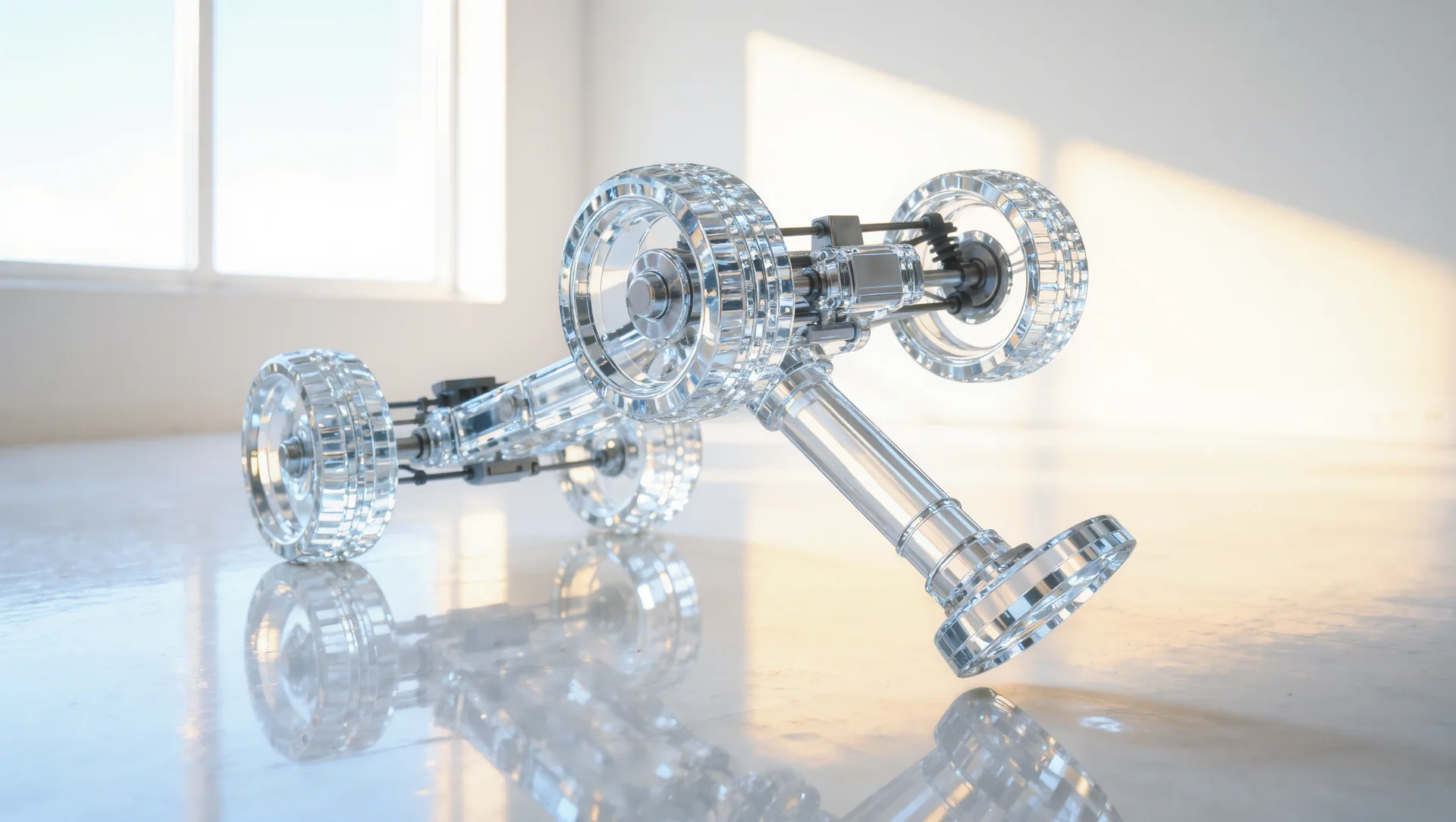
Robotic perception is a critical field that enables machines to interpret and understand their environment. By mimicking human sensory capabilities, robots can process visual, auditory, and tactile information, allowing them to make informed decisions. This technology is foundational for the development of autonomous systems, enhancing their ability to navigate complex environments.
As industries increasingly adopt robotics, understanding robotic perception becomes essential for harnessing its full potential. The integration of advanced sensors and artificial intelligence (AI) is transforming how robots perceive the world, leading to more efficient and intelligent systems. The significance of robotic perception extends beyond mere functionality; it is about creating machines that can interact seamlessly with humans and their surroundings.
As robots become more prevalent in everyday life, their ability to perceive and respond to stimuli will determine their effectiveness and safety. This article delves into the current challenges, advancements, and future trends in robotic perception, highlighting its transformative impact across various sectors.
Despite significant advancements, robotic perception faces several challenges that hinder its effectiveness. One major issue is the variability of environmental conditions. Robots often operate in dynamic settings where lighting, weather, and obstacles can change rapidly.
This variability can lead to misinterpretations of sensory data, resulting in errors in navigation or task execution. For instance, a robot designed for warehouse logistics may struggle to identify packages if the lighting conditions fluctuate dramatically. Another challenge is the complexity of human environments.
Unlike controlled settings, real-world environments are filled with unpredictable elements such as moving objects, diverse textures, and varying distances. Robots must be equipped to handle these complexities to function effectively. Additionally, the integration of sensory data from multiple sources can be overwhelming, leading to information overload.
Recent advancements in sensor technology have significantly improved robotic perception capabilities. Modern sensors are more sophisticated than ever, offering higher resolution and greater sensitivity. For example, LiDAR (Light Detection and Ranging) sensors provide precise distance measurements by emitting laser beams and analyzing the reflected light.
This technology allows robots to create detailed 3D maps of their surroundings, enhancing their spatial awareness. Moreover, advancements in camera technology have led to the development of high-definition imaging systems that can capture intricate details in various lighting conditions. These cameras are often paired with infrared sensors to improve performance in low-light environments.
The combination of these technologies enables robots to perceive their surroundings more accurately and respond appropriately to changes in their environment.
Machine learning (ML) and artificial intelligence (AI) play pivotal roles in enhancing robotic perception. By leveraging vast amounts of data, ML algorithms can train robots to recognize patterns and make predictions based on sensory input. For instance, a robot equipped with AI can learn to identify different objects by analyzing thousands of images, improving its ability to distinguish between similar items.
Furthermore, AI enables robots to adapt to new environments by continuously learning from their experiences. This adaptability is crucial for applications such as autonomous driving, where vehicles must navigate unfamiliar roads and respond to unpredictable traffic conditions. As AI continues to evolve, its integration into robotic perception systems will lead to more intelligent and capable machines.
The integration of multiple sensors is a key strategy for enhancing robotic perception. By combining data from various sources, such as cameras, LiDAR, ultrasonic sensors, and IMUs (Inertial Measurement Units), robots can achieve a more comprehensive understanding of their environment. This multi-sensor approach allows for redundancy; if one sensor fails or provides inaccurate data, others can compensate.
For example, a robot operating in a warehouse may use cameras for object recognition while relying on LiDAR for spatial mapping. Additionally, sensor fusion techniques can process data from multiple sensors in real-time, allowing robots to make quick decisions based on the most accurate information available.
As robotic perception technology advances, ethical considerations become increasingly important. One major concern is privacy; as robots equipped with cameras and sensors become more prevalent in public spaces, there is a risk of infringing on individuals' privacy rights. Ensuring that robots operate transparently and respect personal boundaries is essential for gaining public trust.
Another ethical consideration involves bias in AI algorithms used for robotic perception. If training data is not diverse or representative, robots may develop biased perceptions that could lead to unfair treatment of certain individuals or groups. Addressing these biases requires careful attention during the development phase and ongoing monitoring of AI systems in real-world applications.
Robotic perception has a wide range of applications across various industries. In manufacturing, robots equipped with advanced perception systems can identify defects in products during quality control processes. This capability enhances efficiency and reduces waste by ensuring that only high-quality items reach consumers.
In healthcare, robotic perception is revolutionizing surgical procedures. Surgical robots equipped with high-definition cameras and AI can assist surgeons by providing real-time feedback on patient anatomy. This technology improves precision during operations and reduces recovery times for patients.
Additionally, in agriculture, robots equipped with perception systems can monitor crop health and optimize resource usage, leading to more sustainable farming practices.
Autonomous vehicles rely heavily on robotic perception to navigate safely and efficiently. These vehicles use a combination of sensors, such as cameras, radar, and LiDAR, to gather data about their surroundings. By processing this information in real-time, autonomous vehicles can detect obstacles, recognize traffic signals, and make informed driving decisions.
The integration of machine learning algorithms further enhances the capabilities of autonomous vehicles. These algorithms allow vehicles to learn from past experiences and adapt to new driving conditions. As a result, autonomous vehicles are becoming increasingly reliable and capable of handling complex driving scenarios.
The future of robotic perception is promising, with several trends expected to shape its development. One significant trend is the continued advancement of AI algorithms that enable more sophisticated decision-making capabilities. As these algorithms become more refined, robots will be able to interpret sensory data with greater accuracy and make more nuanced decisions.
Another trend is the miniaturization of sensors, making them more accessible for various applications. Smaller sensors will allow for greater flexibility in robot design and enable the deployment of perception systems in smaller devices or drones. Additionally, advancements in edge computing will facilitate faster data processing directly on the robot, reducing latency and improving response times.
The impact of robotic perception on society is profound and multifaceted. As robots become more capable of understanding their environment, they will play an increasingly significant role in daily life. From assisting with household chores to providing companionship for the elderly, robots equipped with advanced perception systems will enhance quality of life.
Moreover, the integration of robotic perception into industries will lead to increased efficiency and productivity. As businesses adopt these technologies, they will be able to streamline operations and reduce costs while improving service delivery. However, this shift may also raise concerns about job displacement; addressing these concerns through reskilling initiatives will be essential for ensuring a smooth transition into a more automated future.
Robotic perception holds immense potential for shaping the future across various sectors. By enabling machines to understand and interact with their environment intelligently, we are paving the way for a new era of automation that enhances efficiency and improves quality of life. While challenges remain, such as ethical considerations and technological limitations, the advancements in sensor technology and AI are driving progress forward.
As we continue to explore the possibilities of robotic perception, it is crucial to prioritize ethical considerations and ensure that these technologies are developed responsibly. By doing so, we can harness the full potential of robotic perception to create a future where humans and machines coexist harmoniously, working together to solve complex problems and improve our world.
As industries increasingly adopt robotics, understanding robotic perception becomes essential for harnessing its full potential. The integration of advanced sensors and artificial intelligence (AI) is transforming how robots perceive the world, leading to more efficient and intelligent systems. The significance of robotic perception extends beyond mere functionality; it is about creating machines that can interact seamlessly with humans and their surroundings.
As robots become more prevalent in everyday life, their ability to perceive and respond to stimuli will determine their effectiveness and safety. This article delves into the current challenges, advancements, and future trends in robotic perception, highlighting its transformative impact across various sectors.
Key Takeaways
- Robotic perception combines sensor technology and AI to enable robots to understand and interact with their environment.
- Advances in sensors and machine learning have significantly improved robots' ability to perceive complex surroundings.
- Integrating multiple sensor types enhances accuracy and reliability in robotic perception systems.
- Ethical considerations are crucial as robotic perception impacts privacy, safety, and decision-making.
- Robotic perception is transforming industries like autonomous vehicles, manufacturing, and healthcare, with promising future developments.
Current Challenges in Robotic Perception
Despite significant advancements, robotic perception faces several challenges that hinder its effectiveness. One major issue is the variability of environmental conditions. Robots often operate in dynamic settings where lighting, weather, and obstacles can change rapidly.
This variability can lead to misinterpretations of sensory data, resulting in errors in navigation or task execution. For instance, a robot designed for warehouse logistics may struggle to identify packages if the lighting conditions fluctuate dramatically. Another challenge is the complexity of human environments.
Unlike controlled settings, real-world environments are filled with unpredictable elements such as moving objects, diverse textures, and varying distances. Robots must be equipped to handle these complexities to function effectively. Additionally, the integration of sensory data from multiple sources can be overwhelming, leading to information overload.
Advancements in Sensor Technology
Recent advancements in sensor technology have significantly improved robotic perception capabilities. Modern sensors are more sophisticated than ever, offering higher resolution and greater sensitivity. For example, LiDAR (Light Detection and Ranging) sensors provide precise distance measurements by emitting laser beams and analyzing the reflected light.
This technology allows robots to create detailed 3D maps of their surroundings, enhancing their spatial awareness. Moreover, advancements in camera technology have led to the development of high-definition imaging systems that can capture intricate details in various lighting conditions. These cameras are often paired with infrared sensors to improve performance in low-light environments.
The combination of these technologies enables robots to perceive their surroundings more accurately and respond appropriately to changes in their environment.
Machine Learning and Artificial Intelligence in Robotic Perception
Machine learning (ML) and artificial intelligence (AI) play pivotal roles in enhancing robotic perception. By leveraging vast amounts of data, ML algorithms can train robots to recognize patterns and make predictions based on sensory input. For instance, a robot equipped with AI can learn to identify different objects by analyzing thousands of images, improving its ability to distinguish between similar items.
Furthermore, AI enables robots to adapt to new environments by continuously learning from their experiences. This adaptability is crucial for applications such as autonomous driving, where vehicles must navigate unfamiliar roads and respond to unpredictable traffic conditions. As AI continues to evolve, its integration into robotic perception systems will lead to more intelligent and capable machines.
Integration of Multiple Sensors for Enhanced Perception
The integration of multiple sensors is a key strategy for enhancing robotic perception. By combining data from various sources, such as cameras, LiDAR, ultrasonic sensors, and IMUs (Inertial Measurement Units), robots can achieve a more comprehensive understanding of their environment. This multi-sensor approach allows for redundancy; if one sensor fails or provides inaccurate data, others can compensate.
For example, a robot operating in a warehouse may use cameras for object recognition while relying on LiDAR for spatial mapping. Additionally, sensor fusion techniques can process data from multiple sensors in real-time, allowing robots to make quick decisions based on the most accurate information available.
Ethical Considerations in Robotic Perception
As robotic perception technology advances, ethical considerations become increasingly important. One major concern is privacy; as robots equipped with cameras and sensors become more prevalent in public spaces, there is a risk of infringing on individuals' privacy rights. Ensuring that robots operate transparently and respect personal boundaries is essential for gaining public trust.
Another ethical consideration involves bias in AI algorithms used for robotic perception. If training data is not diverse or representative, robots may develop biased perceptions that could lead to unfair treatment of certain individuals or groups. Addressing these biases requires careful attention during the development phase and ongoing monitoring of AI systems in real-world applications.
Applications of Robotic Perception in Various Industries
Robotic perception has a wide range of applications across various industries. In manufacturing, robots equipped with advanced perception systems can identify defects in products during quality control processes. This capability enhances efficiency and reduces waste by ensuring that only high-quality items reach consumers.
In healthcare, robotic perception is revolutionizing surgical procedures. Surgical robots equipped with high-definition cameras and AI can assist surgeons by providing real-time feedback on patient anatomy. This technology improves precision during operations and reduces recovery times for patients.
Additionally, in agriculture, robots equipped with perception systems can monitor crop health and optimize resource usage, leading to more sustainable farming practices.
The Role of Robotic Perception in Autonomous Vehicles
Autonomous vehicles rely heavily on robotic perception to navigate safely and efficiently. These vehicles use a combination of sensors, such as cameras, radar, and LiDAR, to gather data about their surroundings. By processing this information in real-time, autonomous vehicles can detect obstacles, recognize traffic signals, and make informed driving decisions.
The integration of machine learning algorithms further enhances the capabilities of autonomous vehicles. These algorithms allow vehicles to learn from past experiences and adapt to new driving conditions. As a result, autonomous vehicles are becoming increasingly reliable and capable of handling complex driving scenarios.
Future Trends and Predictions in Robotic Perception
The future of robotic perception is promising, with several trends expected to shape its development. One significant trend is the continued advancement of AI algorithms that enable more sophisticated decision-making capabilities. As these algorithms become more refined, robots will be able to interpret sensory data with greater accuracy and make more nuanced decisions.
Another trend is the miniaturization of sensors, making them more accessible for various applications. Smaller sensors will allow for greater flexibility in robot design and enable the deployment of perception systems in smaller devices or drones. Additionally, advancements in edge computing will facilitate faster data processing directly on the robot, reducing latency and improving response times.
Impact of Robotic Perception on Society
The impact of robotic perception on society is profound and multifaceted. As robots become more capable of understanding their environment, they will play an increasingly significant role in daily life. From assisting with household chores to providing companionship for the elderly, robots equipped with advanced perception systems will enhance quality of life.
Moreover, the integration of robotic perception into industries will lead to increased efficiency and productivity. As businesses adopt these technologies, they will be able to streamline operations and reduce costs while improving service delivery. However, this shift may also raise concerns about job displacement; addressing these concerns through reskilling initiatives will be essential for ensuring a smooth transition into a more automated future.
The Potential of Robotic Perception in Shaping the Future
Robotic perception holds immense potential for shaping the future across various sectors. By enabling machines to understand and interact with their environment intelligently, we are paving the way for a new era of automation that enhances efficiency and improves quality of life. While challenges remain, such as ethical considerations and technological limitations, the advancements in sensor technology and AI are driving progress forward.
As we continue to explore the possibilities of robotic perception, it is crucial to prioritize ethical considerations and ensure that these technologies are developed responsibly. By doing so, we can harness the full potential of robotic perception to create a future where humans and machines coexist harmoniously, working together to solve complex problems and improve our world.
FAQs
What is robotic perception?
Robotic perception refers to the ability of robots to interpret and understand their environment using sensors and data processing techniques. It involves acquiring, processing, and analyzing sensory information to enable robots to make informed decisions and interact effectively with their surroundings.What types of sensors are used in robotic perception?
Common sensors used in robotic perception include cameras (RGB and depth), LiDAR, ultrasonic sensors, infrared sensors, and tactile sensors. These sensors help robots detect objects, measure distances, recognize patterns, and perceive environmental conditions.How does robotic perception differ from human perception?
Robotic perception relies on electronic sensors and algorithms to interpret data, whereas human perception involves biological sensory organs and cognitive processes. While robots can process large amounts of data quickly and consistently, they may lack the intuitive understanding and contextual awareness that humans possess.What are the main challenges in robotic perception?
Challenges include dealing with noisy or incomplete sensor data, recognizing objects in varying lighting and environmental conditions, real-time processing constraints, and integrating information from multiple sensor modalities to create a coherent understanding of the environment.What role does machine learning play in robotic perception?
Machine learning techniques, especially deep learning, are widely used to improve robotic perception by enabling robots to recognize objects, understand scenes, and predict outcomes based on sensor data. These methods help robots adapt to new environments and improve accuracy over time.In which applications is robotic perception commonly used?
Robotic perception is essential in applications such as autonomous vehicles, industrial automation, service robots, drones, medical robotics, and exploration robots. It enables these systems to navigate, manipulate objects, and interact safely and effectively with their environment.How do robots use perception to navigate?
Robots use perception to build maps of their environment, detect obstacles, and localize themselves within a space. Techniques like simultaneous localization and mapping (SLAM) combine sensor data to help robots plan paths and avoid collisions.What is the difference between 2D and 3D perception in robotics?
2D perception involves interpreting flat images or sensor data, such as from a camera, to recognize objects and features. 3D perception uses depth information from sensors like LiDAR or stereo cameras to understand the spatial structure of the environment, enabling more accurate navigation and manipulation.Can robotic perception work in real-time?
Yes, many robotic perception systems are designed to operate in real-time, processing sensor data quickly enough to allow robots to respond immediately to changes in their environment. Real-time perception is critical for applications like autonomous driving and dynamic obstacle avoidance.What is sensor fusion in robotic perception?
Sensor fusion is the process of combining data from multiple sensors to improve the accuracy and reliability of perception. By integrating different types of sensory information, robots can achieve a more comprehensive understanding of their environment than any single sensor could provide.More in
More from Robotic
Robotic · 9 min
Robotic Precision: The Future of Automation
Robotic precision refers to the ability of automated systems to perform tasks with extremely high accuracy and repeatability. Modern industrial robots…
Robotic · 8 min
Advancements in Robotic Motion Control
Robotic motion control is a fundamental technology in modern automation systems that enables robots to execute precise movements through sophisticated…
Robotic · 9 min
Efficient Robotic Path Planning for Improved Navigation
Robotic path planning constitutes a fundamental component of robotics engineering that focuses on calculating optimal trajectories for robots to move …