Robotic · Robotic
The Future of Industrial Robotics: Revolutionizing Manufacturing
The manufacturing sector is experiencing substantial changes due to the implementation of collaborative robots, commonly known as cobots. These robotic systems differ from conventi…

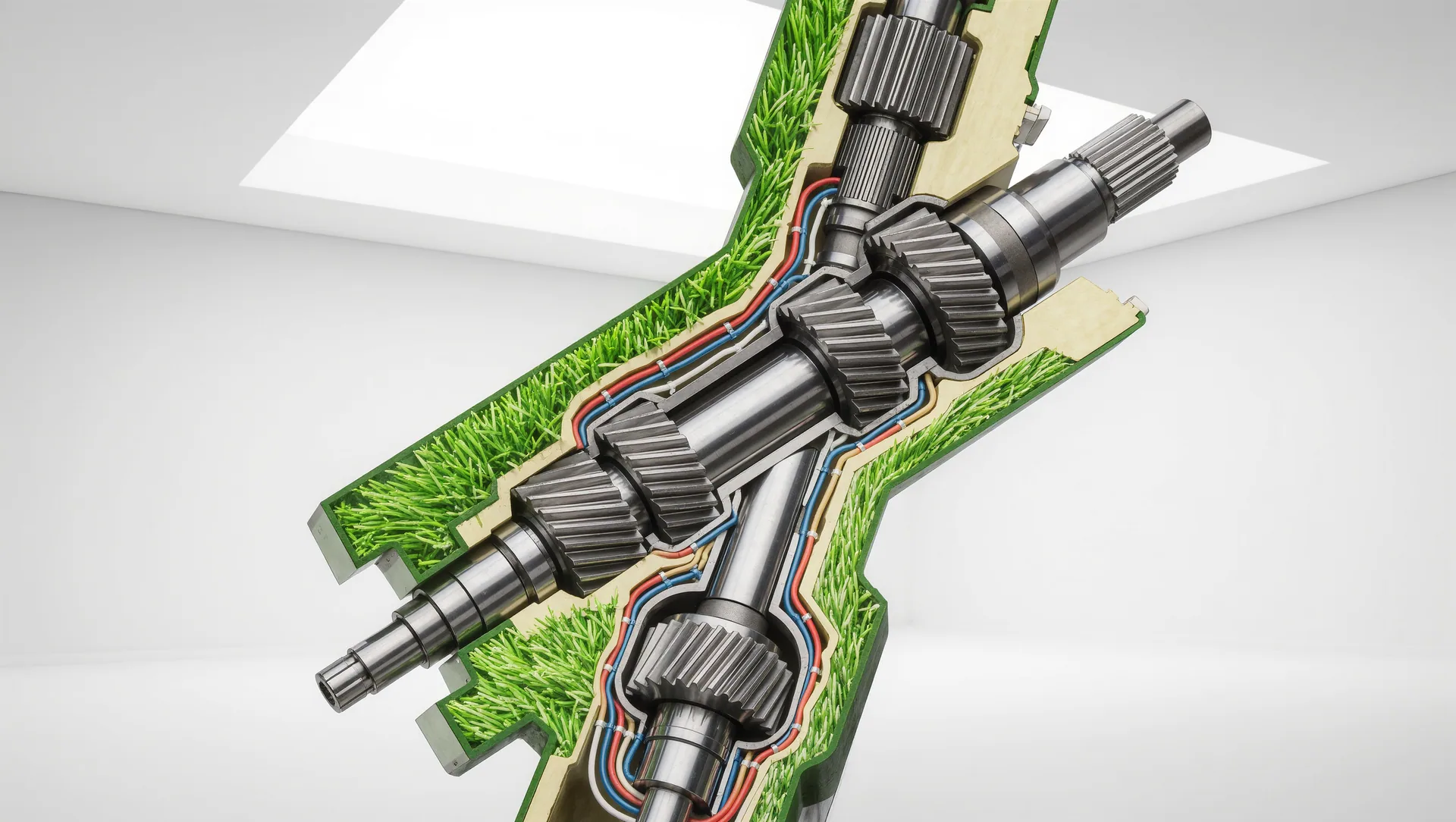
The manufacturing sector is experiencing substantial changes due to the implementation of collaborative robots, commonly known as cobots. These robotic systems differ from conventional industrial robots by being specifically engineered to operate in shared workspaces with human employees rather than in segregated areas. This development addresses manufacturing requirements for enhanced operational efficiency and adaptable production capabilities.
Cobots typically handle routine, repetitive operations, which enables human workers to concentrate on tasks requiring higher-level cognitive skills, problem-solving abilities, and creative input. The integration of collaborative robotics has become an essential component of modern manufacturing strategies aimed at improving productivity metrics. The implementation of collaborative robots represents a structural shift in manufacturing methodologies rather than a temporary technological trend.
Manufacturing organizations are systematically incorporating cobots into their operational frameworks after recognizing measurable performance improvements. These robotic systems utilize sophisticated sensor technologies and artificial intelligence algorithms that enable real-time environmental assessment and safe human-robot interaction protocols. This technological integration results in increased production output while simultaneously reducing workplace accident rates and maintaining employee engagement levels.
Consequently, manufacturing facilities can achieve improved productivity targets while preserving workplace safety standards and workforce satisfaction metrics.
Automation is reshaping the future of work across various sectors, particularly in manufacturing. As companies adopt automated solutions, the nature of jobs is evolving. While some fear that automation will lead to job losses, the reality is more nuanced.
Automation can enhance job roles by taking over mundane tasks, allowing workers to engage in more meaningful and strategic activities. This shift requires a workforce that is adaptable and skilled in new technologies. The future of work will likely see a blend of human and machine collaboration.
Workers will need to develop new skills to thrive in an automated environment. Companies that invest in training and upskilling their employees will be better positioned to harness the full potential of automation. By fostering a culture of continuous learning, organizations can ensure that their workforce remains relevant and competitive in an ever-changing landscape.
Artificial intelligence (AI) is revolutionizing industrial robotics by enabling machines to learn from their experiences and make decisions based on data analysis. This capability enhances the efficiency and effectiveness of robotic systems in manufacturing environments. AI-powered robots can optimize production processes, predict maintenance needs, and even adapt to changes in real-time, leading to significant cost savings and improved operational performance.
Moreover, AI integration allows for greater customization in manufacturing. Robots equipped with AI can analyze customer preferences and adjust production accordingly, leading to more personalized products. This adaptability not only meets consumer demands but also enhances competitiveness in the market.
As AI continues to evolve, its impact on industrial robotics will only grow, paving the way for smarter and more efficient manufacturing solutions.
Machine learning is a subset of AI that focuses on enabling machines to learn from data without explicit programming. In the realm of robotics, advancements in machine learning are driving innovation and improving the capabilities of robots. These systems can analyze vast amounts of data from sensors and cameras, allowing them to recognize patterns and make informed decisions.
One significant application of machine learning in robotics is predictive maintenance. By analyzing historical data, robots can predict when a machine is likely to fail, allowing for timely interventions that minimize downtime. Additionally, machine learning enhances robots' ability to navigate complex environments, making them more versatile in various manufacturing settings.
As these technologies continue to advance, the potential for machine learning in robotics will expand, leading to even greater efficiencies and capabilities.
3D printing is transforming the manufacturing landscape by enabling rapid prototyping and production of complex parts. When integrated with industrial robotics, 3D printing offers unique advantages that streamline production processes. Robots can be programmed to operate 3D printers, creating components on-demand and reducing lead times significantly.
This synergy between 3D printing and robotics allows manufacturers to produce customized products efficiently. Instead of relying on traditional supply chains, companies can create parts in-house, reducing costs and waste. Furthermore, 3D printing enables the production of lightweight structures that enhance robotic performance.
As this technology continues to evolve, its integration with robotics will play a crucial role in shaping the future of manufacturing.
The Internet of Things (IoT) is revolutionizing how machines communicate and operate within manufacturing environments. By connecting robots to IoT networks, manufacturers can gather real-time data on performance, efficiency, and maintenance needs. This connectivity allows for better decision-making and optimization of production processes.
IoT-enabled robots can share information with other machines and systems, creating a more cohesive manufacturing ecosystem. For instance, if one robot detects a malfunction, it can alert other machines or human operators, facilitating quick responses to potential issues. This level of integration enhances overall productivity and reduces downtime, making IoT a vital component of modern industrial robotics.
Sustainability is becoming increasingly important in manufacturing as companies seek to reduce their environmental impact. Robotics plays a crucial role in achieving sustainability goals by optimizing resource use and minimizing waste. Automated systems can monitor energy consumption and adjust operations accordingly, leading to more efficient processes.
Additionally, robots can assist in recycling efforts by sorting materials more accurately than humans can. This capability not only improves recycling rates but also reduces the amount of waste sent to landfills. As manufacturers embrace sustainable practices, robotics will be at the forefront of these initiatives, driving innovation while promoting environmental responsibility.
Robotics is set to revolutionize supply chain management by enhancing efficiency and accuracy throughout the process. Automated systems can streamline inventory management, order fulfillment, and logistics operations. By integrating robotics into supply chains, companies can reduce human error and improve overall productivity.
Moreover, robots equipped with advanced technologies can analyze data to optimize routes for delivery vehicles or manage warehouse operations more effectively. This level of automation not only speeds up processes but also reduces costs associated with labor and errors. As supply chains become more complex, the role of robotics will be essential in ensuring smooth operations and meeting customer demands.
The Fourth Industrial Revolution is characterized by the fusion of advanced technologies such as AI, IoT, and robotics into manufacturing processes. This revolution is transforming industries by creating smart factories that leverage data-driven insights for improved decision-making. Robotics plays a central role in this transformation by enabling automation at unprecedented levels.
As industries embrace this new era, companies must adapt to remain competitive. The integration of robotics into production lines allows for greater flexibility and responsiveness to market changes. Businesses that invest in these technologies will be better positioned to thrive in the Fourth Industrial Revolution, driving innovation while meeting evolving consumer demands.
While the rise of robotics presents numerous opportunities for manufacturers, it also poses challenges related to human-robot collaboration. Ensuring that robots work safely alongside human workers requires careful planning and design. Companies must invest in training programs that educate employees on how to interact with robots effectively.
Moreover, fostering a culture of collaboration between humans and robots can lead to enhanced productivity and job satisfaction. When workers understand how to leverage robotic systems as tools rather than threats, they can focus on higher-level tasks that require creativity and critical thinking. By addressing these challenges head-on, organizations can unlock the full potential of human-robot collaboration.
As industrial robotics continues to advance, ethical and social implications must be considered. The potential for job displacement raises concerns about the future workforce and economic inequality. Policymakers must address these issues by promoting education and training programs that prepare workers for new roles created by automation.
Additionally, ethical considerations surrounding data privacy and security are paramount as robots become more integrated into manufacturing processes. Companies must ensure that they handle data responsibly while maintaining transparency with employees about how their information is used. By proactively addressing these ethical concerns, businesses can build trust with their workforce and society at large.
In conclusion, the rise of collaborative robots and advancements in technology are reshaping the manufacturing landscape. As industries navigate this transformation, embracing automation while prioritizing ethical considerations will be crucial for sustainable growth and innovation in the future.
Cobots typically handle routine, repetitive operations, which enables human workers to concentrate on tasks requiring higher-level cognitive skills, problem-solving abilities, and creative input. The integration of collaborative robotics has become an essential component of modern manufacturing strategies aimed at improving productivity metrics. The implementation of collaborative robots represents a structural shift in manufacturing methodologies rather than a temporary technological trend.
Manufacturing organizations are systematically incorporating cobots into their operational frameworks after recognizing measurable performance improvements. These robotic systems utilize sophisticated sensor technologies and artificial intelligence algorithms that enable real-time environmental assessment and safe human-robot interaction protocols. This technological integration results in increased production output while simultaneously reducing workplace accident rates and maintaining employee engagement levels.
Consequently, manufacturing facilities can achieve improved productivity targets while preserving workplace safety standards and workforce satisfaction metrics.
Key Takeaways
- Collaborative robots are increasingly transforming manufacturing by working alongside humans safely and efficiently.
- Artificial intelligence and machine learning are driving significant advancements in industrial robotics capabilities.
- Integration of IoT enhances real-time data exchange, improving robotics performance in manufacturing environments.
- Robotics plays a crucial role in advancing sustainable manufacturing and optimizing supply chain management.
- Ethical, social, and human-robot collaboration challenges must be addressed to fully realize robotics' potential in industry.
Automation and the Future of Work
Automation is reshaping the future of work across various sectors, particularly in manufacturing. As companies adopt automated solutions, the nature of jobs is evolving. While some fear that automation will lead to job losses, the reality is more nuanced.
Automation can enhance job roles by taking over mundane tasks, allowing workers to engage in more meaningful and strategic activities. This shift requires a workforce that is adaptable and skilled in new technologies. The future of work will likely see a blend of human and machine collaboration.
Workers will need to develop new skills to thrive in an automated environment. Companies that invest in training and upskilling their employees will be better positioned to harness the full potential of automation. By fostering a culture of continuous learning, organizations can ensure that their workforce remains relevant and competitive in an ever-changing landscape.
The Impact of Artificial Intelligence on Industrial Robotics
Artificial intelligence (AI) is revolutionizing industrial robotics by enabling machines to learn from their experiences and make decisions based on data analysis. This capability enhances the efficiency and effectiveness of robotic systems in manufacturing environments. AI-powered robots can optimize production processes, predict maintenance needs, and even adapt to changes in real-time, leading to significant cost savings and improved operational performance.
Moreover, AI integration allows for greater customization in manufacturing. Robots equipped with AI can analyze customer preferences and adjust production accordingly, leading to more personalized products. This adaptability not only meets consumer demands but also enhances competitiveness in the market.
As AI continues to evolve, its impact on industrial robotics will only grow, paving the way for smarter and more efficient manufacturing solutions.
Advancements in Machine Learning for Robotics
Machine learning is a subset of AI that focuses on enabling machines to learn from data without explicit programming. In the realm of robotics, advancements in machine learning are driving innovation and improving the capabilities of robots. These systems can analyze vast amounts of data from sensors and cameras, allowing them to recognize patterns and make informed decisions.
One significant application of machine learning in robotics is predictive maintenance. By analyzing historical data, robots can predict when a machine is likely to fail, allowing for timely interventions that minimize downtime. Additionally, machine learning enhances robots' ability to navigate complex environments, making them more versatile in various manufacturing settings.
As these technologies continue to advance, the potential for machine learning in robotics will expand, leading to even greater efficiencies and capabilities.
The Role of 3D Printing in Industrial Robotics
3D printing is transforming the manufacturing landscape by enabling rapid prototyping and production of complex parts. When integrated with industrial robotics, 3D printing offers unique advantages that streamline production processes. Robots can be programmed to operate 3D printers, creating components on-demand and reducing lead times significantly.
This synergy between 3D printing and robotics allows manufacturers to produce customized products efficiently. Instead of relying on traditional supply chains, companies can create parts in-house, reducing costs and waste. Furthermore, 3D printing enables the production of lightweight structures that enhance robotic performance.
As this technology continues to evolve, its integration with robotics will play a crucial role in shaping the future of manufacturing.
The Integration of IoT in Robotics for Manufacturing
The Internet of Things (IoT) is revolutionizing how machines communicate and operate within manufacturing environments. By connecting robots to IoT networks, manufacturers can gather real-time data on performance, efficiency, and maintenance needs. This connectivity allows for better decision-making and optimization of production processes.
IoT-enabled robots can share information with other machines and systems, creating a more cohesive manufacturing ecosystem. For instance, if one robot detects a malfunction, it can alert other machines or human operators, facilitating quick responses to potential issues. This level of integration enhances overall productivity and reduces downtime, making IoT a vital component of modern industrial robotics.
The Potential of Robotics in Sustainable Manufacturing
Sustainability is becoming increasingly important in manufacturing as companies seek to reduce their environmental impact. Robotics plays a crucial role in achieving sustainability goals by optimizing resource use and minimizing waste. Automated systems can monitor energy consumption and adjust operations accordingly, leading to more efficient processes.
Additionally, robots can assist in recycling efforts by sorting materials more accurately than humans can. This capability not only improves recycling rates but also reduces the amount of waste sent to landfills. As manufacturers embrace sustainable practices, robotics will be at the forefront of these initiatives, driving innovation while promoting environmental responsibility.
The Future of Robotics in Supply Chain Management
Robotics is set to revolutionize supply chain management by enhancing efficiency and accuracy throughout the process. Automated systems can streamline inventory management, order fulfillment, and logistics operations. By integrating robotics into supply chains, companies can reduce human error and improve overall productivity.
Moreover, robots equipped with advanced technologies can analyze data to optimize routes for delivery vehicles or manage warehouse operations more effectively. This level of automation not only speeds up processes but also reduces costs associated with labor and errors. As supply chains become more complex, the role of robotics will be essential in ensuring smooth operations and meeting customer demands.
Robotics and the Fourth Industrial Revolution
The Fourth Industrial Revolution is characterized by the fusion of advanced technologies such as AI, IoT, and robotics into manufacturing processes. This revolution is transforming industries by creating smart factories that leverage data-driven insights for improved decision-making. Robotics plays a central role in this transformation by enabling automation at unprecedented levels.
As industries embrace this new era, companies must adapt to remain competitive. The integration of robotics into production lines allows for greater flexibility and responsiveness to market changes. Businesses that invest in these technologies will be better positioned to thrive in the Fourth Industrial Revolution, driving innovation while meeting evolving consumer demands.
The Challenges and Opportunities of Human-Robot Collaboration
While the rise of robotics presents numerous opportunities for manufacturers, it also poses challenges related to human-robot collaboration. Ensuring that robots work safely alongside human workers requires careful planning and design. Companies must invest in training programs that educate employees on how to interact with robots effectively.
Moreover, fostering a culture of collaboration between humans and robots can lead to enhanced productivity and job satisfaction. When workers understand how to leverage robotic systems as tools rather than threats, they can focus on higher-level tasks that require creativity and critical thinking. By addressing these challenges head-on, organizations can unlock the full potential of human-robot collaboration.
The Ethical and Social Implications of Industrial Robotics
As industrial robotics continues to advance, ethical and social implications must be considered. The potential for job displacement raises concerns about the future workforce and economic inequality. Policymakers must address these issues by promoting education and training programs that prepare workers for new roles created by automation.
Additionally, ethical considerations surrounding data privacy and security are paramount as robots become more integrated into manufacturing processes. Companies must ensure that they handle data responsibly while maintaining transparency with employees about how their information is used. By proactively addressing these ethical concerns, businesses can build trust with their workforce and society at large.
In conclusion, the rise of collaborative robots and advancements in technology are reshaping the manufacturing landscape. As industries navigate this transformation, embracing automation while prioritizing ethical considerations will be crucial for sustainable growth and innovation in the future.
FAQs
What is industrial robotics?
Industrial robotics refers to the use of robots in manufacturing and production environments to automate tasks such as assembly, welding, painting, and material handling. These robots are designed to improve efficiency, precision, and safety in industrial processes.What are the main types of industrial robots?
The main types of industrial robots include articulated robots, SCARA robots, delta robots, Cartesian robots, and collaborative robots (cobots). Each type is suited for specific applications based on their range of motion, speed, and payload capacity.What industries commonly use industrial robots?
Industrial robots are widely used in automotive manufacturing, electronics, food and beverage processing, pharmaceuticals, metal fabrication, and consumer goods production, among others.What are the benefits of using industrial robots?
Benefits include increased production speed, improved product quality, enhanced workplace safety by handling hazardous tasks, reduced labor costs, and the ability to operate continuously without fatigue.Are industrial robots programmable?
Yes, industrial robots are programmable machines that can be configured to perform a variety of tasks. Programming can be done through teach pendants, offline programming software, or advanced AI-based systems.What is the difference between industrial robots and collaborative robots?
Industrial robots typically operate in isolated environments due to safety concerns and are designed for high-speed, high-precision tasks. Collaborative robots (cobots) are designed to work safely alongside human workers, often with built-in sensors and safety features to prevent accidents.How do industrial robots improve workplace safety?
Robots can perform dangerous, repetitive, or ergonomically challenging tasks, reducing the risk of injury to human workers. They can handle hazardous materials, work in extreme environments, and minimize exposure to harmful substances.What are the challenges associated with implementing industrial robotics?
Challenges include high initial investment costs, the need for skilled personnel to program and maintain robots, integration with existing systems, and potential job displacement concerns.How is artificial intelligence used in industrial robotics?
AI enhances industrial robots by enabling advanced capabilities such as machine vision, adaptive learning, predictive maintenance, and autonomous decision-making, leading to more flexible and efficient automation.What is the future outlook for industrial robotics?
The future of industrial robotics includes increased adoption of AI and machine learning, greater use of collaborative robots, enhanced connectivity through the Industrial Internet of Things (IIoT), and expanded applications across diverse industries.More in
More from Robotic
Robotic · 9 min
Robotic Precision: The Future of Automation
Robotic precision refers to the ability of automated systems to perform tasks with extremely high accuracy and repeatability. Modern industrial robots…
Robotic · 8 min
Advancements in Robotic Motion Control
Robotic motion control is a fundamental technology in modern automation systems that enables robots to execute precise movements through sophisticated…

Robotic · 9 min
Efficient Robotic Path Planning for Improved Navigation
Robotic path planning constitutes a fundamental component of robotics engineering that focuses on calculating optimal trajectories for robots to move …