Robotic · Robotic
Exploring Robotic Applications in Various Industries
Robotic applications have revolutionized various industries, enhancing efficiency, precision, and safety. As technology advances, robots are becoming integral to our daily lives, p…

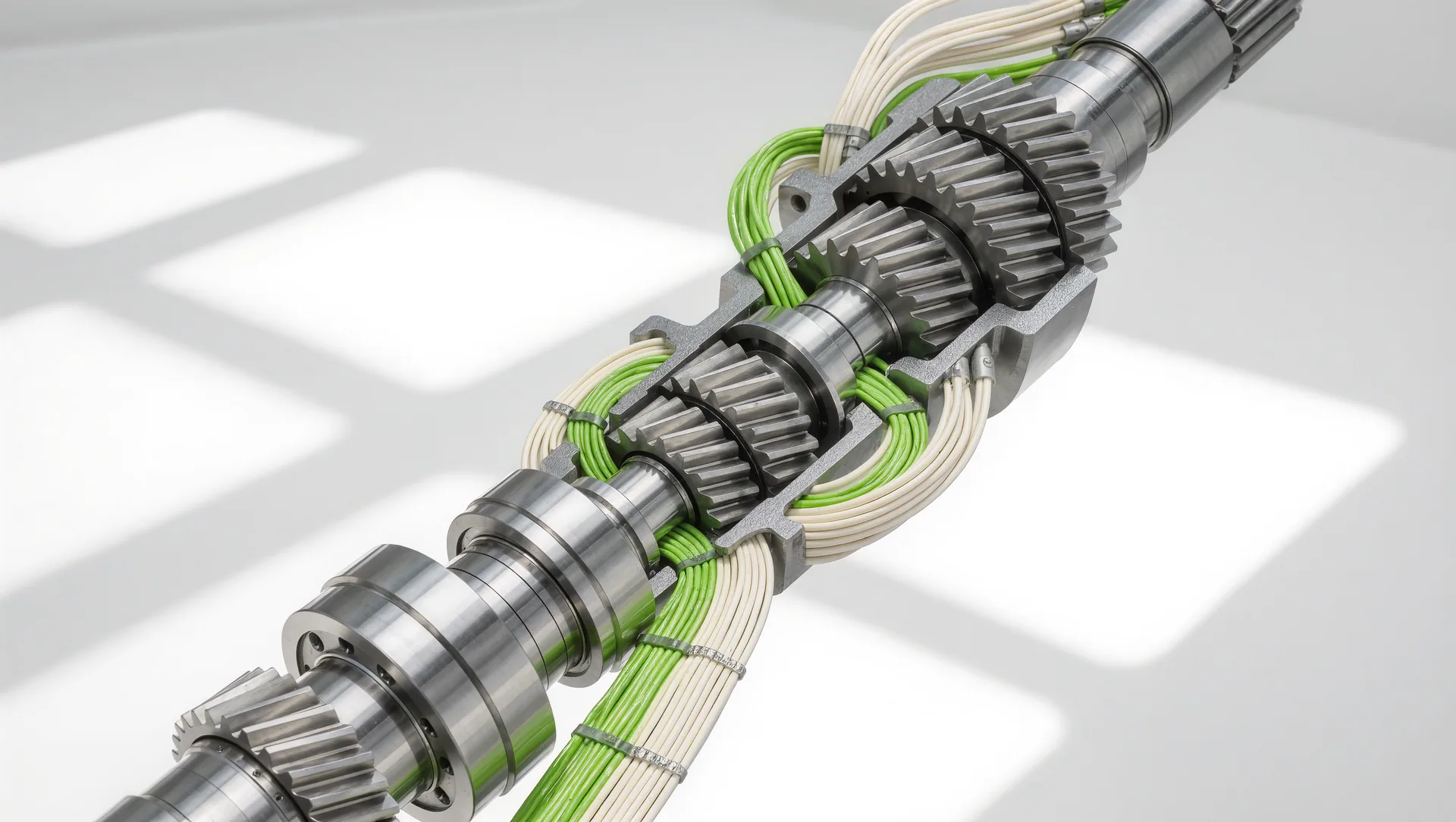
Robotic applications have revolutionized various industries, enhancing efficiency, precision, and safety. As technology advances, robots are becoming integral to our daily lives, performing tasks that range from simple to complex. The integration of robotics into different sectors not only streamlines operations but also reduces human error and labor costs.
This article explores the diverse applications of robotics across multiple fields, highlighting their transformative impact and future potential. The rise of robotics is driven by the need for increased productivity and the ability to handle repetitive tasks. In an era where speed and accuracy are paramount, robots offer solutions that meet these demands.
From manufacturing to healthcare, the versatility of robotic systems is evident. As we delve into specific applications, we will uncover how these machines are reshaping industries and paving the way for innovative practices.
In manufacturing, robotic applications have become a cornerstone of modern production lines. Robots are employed for tasks such as assembly, welding, painting, and packaging. Their ability to work tirelessly and with high precision significantly boosts output while minimizing errors.
For instance, robotic arms can assemble intricate components faster than human workers, leading to shorter production cycles and reduced costs. Moreover, the implementation of robotics in manufacturing enhances workplace safety. Robots can take on hazardous tasks, such as handling toxic materials or working in extreme conditions, thereby protecting human workers from potential injuries.
This shift not only improves safety but also allows human employees to focus on more complex and creative tasks that require critical thinking and problem-solving skills.
The healthcare sector has seen remarkable advancements due to robotic applications. Surgical robots, for example, enable surgeons to perform minimally invasive procedures with enhanced precision. These robots provide a steady hand and improved visualization, resulting in quicker recovery times for patients and reduced risk of complications.
The use of robotics in surgery exemplifies how technology can augment human capabilities. In addition to surgical applications, robots are increasingly used in patient care and rehabilitation. Robotic exoskeletons assist individuals with mobility impairments, allowing them to regain movement and independence.
Furthermore, robots can aid in medication delivery and monitoring patient vitals, ensuring timely interventions. The integration of robotics in healthcare not only improves patient outcomes but also optimizes the workflow for medical professionals.
Agriculture is another field where robotic applications are making significant strides. Agricultural robots, or agribots, are designed to perform tasks such as planting, harvesting, and monitoring crops. These machines can operate autonomously, utilizing sensors and AI to assess soil conditions and crop health.
This level of precision leads to increased yields and reduced waste. Additionally, robots can help address labor shortages in agriculture by performing repetitive tasks efficiently. For example, robotic harvesters can pick fruits and vegetables at a speed that surpasses human workers while minimizing damage to the produce.
As the demand for food continues to rise globally, the adoption of robotics in agriculture will be crucial for sustainable farming practices.
The construction industry is experiencing a transformation through the use of robotic applications. Robots are employed for tasks such as bricklaying, concrete pouring, and site surveying. These machines can work in environments that may be unsafe for human workers, such as high elevations or hazardous sites.
By taking on these roles, robots enhance safety and efficiency on construction sites. Moreover, robotic technology is being integrated into building design and planning processes. Drones equipped with cameras can survey land and create detailed maps, allowing for better project planning.
Additionally, 3D printing robots are revolutionizing construction by enabling the creation of complex structures with minimal waste. The future of construction lies in the collaboration between humans and robots, leading to innovative building solutions.
Transportation is another sector benefiting from robotic applications. Autonomous vehicles are at the forefront of this revolution, promising safer and more efficient travel.
The potential for reducing traffic accidents and improving traffic flow is immense. In addition to personal transportation, robotics is transforming logistics and delivery services. Automated drones and ground vehicles are being used to deliver packages quickly and efficiently. As technology continues to evolve, the integration of robotics in transportation will redefine how we move goods and people.
The retail industry is embracing robotic applications to enhance customer experiences and streamline operations. Robots are being used for inventory management, restocking shelves, and even assisting customers in stores. For instance, autonomous robots can navigate aisles to locate products or provide information about items to shoppers.
Furthermore, robotics is playing a crucial role in e-commerce fulfillment centers. Automated systems can pick and pack orders with remarkable speed and accuracy, ensuring timely deliveries to customers. The integration of robotics in retail not only improves efficiency but also allows human employees to focus on providing personalized customer service.
In military and defense sectors, robotic applications are proving invaluable for enhancing operational capabilities while minimizing risks to human personnel. Unmanned aerial vehicles (UAVs), commonly known as drones, are used for reconnaissance missions, surveillance, and even targeted strikes. These drones provide real-time intelligence without putting soldiers in harm's way.
Additionally, ground-based robots are deployed for bomb disposal and reconnaissance missions in hazardous environments. These machines can navigate difficult terrains and perform tasks that would be dangerous for humans. The use of robotics in military operations not only increases efficiency but also enhances safety for personnel engaged in high-risk activities.
The entertainment and hospitality industries are also leveraging robotic applications to enhance guest experiences. In theme parks, robots serve as guides or entertainers, providing interactive experiences for visitors. These robots can engage with guests through conversation or perform entertaining acts that captivate audiences.
In hospitality settings, robots are being used for tasks such as room service delivery or concierge services. For example, robotic waiters can deliver food directly to guests' tables while providing a unique dining experience. The integration of robotics in entertainment and hospitality not only improves service efficiency but also creates memorable interactions for customers.
Robotic applications are playing a crucial role in environmental conservation efforts. Drones equipped with sensors can monitor wildlife populations and track changes in ecosystems from above. This data is invaluable for researchers studying environmental changes and developing conservation strategies.
Additionally, underwater robots are being used to explore ocean depths and assess marine health. These machines can collect data on water quality and marine life without disturbing delicate ecosystems. The use of robotics in environmental conservation highlights the potential for technology to aid in preserving our planet's natural resources.
As we look toward the future, the potential for robotic applications across various industries is vast. The continued advancement of AI and machine learning will enhance the capabilities of robots, making them even more integral to our daily lives. From improving efficiency in manufacturing to revolutionizing healthcare practices, robotics will play a pivotal role in shaping our future.
The ongoing collaboration between humans and robots will lead to innovative solutions that address complex challenges across sectors. As we embrace this technological evolution, it is essential to consider ethical implications and ensure that robotics serves humanity positively. The future of robotic applications holds promise for a more efficient, safe, and sustainable world.
This article explores the diverse applications of robotics across multiple fields, highlighting their transformative impact and future potential. The rise of robotics is driven by the need for increased productivity and the ability to handle repetitive tasks. In an era where speed and accuracy are paramount, robots offer solutions that meet these demands.
From manufacturing to healthcare, the versatility of robotic systems is evident. As we delve into specific applications, we will uncover how these machines are reshaping industries and paving the way for innovative practices.
Key Takeaways
- Robotics are increasingly integrated across diverse industries, enhancing efficiency and precision.
- Manufacturing and healthcare sectors benefit significantly from automation and robotic assistance.
- Agriculture and construction utilize robots to improve productivity and safety in challenging environments.
- Transportation, retail, and military sectors employ robotics for logistics, security, and operational support.
- Emerging applications in entertainment, hospitality, and environmental conservation highlight robotics' expanding future potential.
Robotic Applications in Manufacturing
In manufacturing, robotic applications have become a cornerstone of modern production lines. Robots are employed for tasks such as assembly, welding, painting, and packaging. Their ability to work tirelessly and with high precision significantly boosts output while minimizing errors.
For instance, robotic arms can assemble intricate components faster than human workers, leading to shorter production cycles and reduced costs. Moreover, the implementation of robotics in manufacturing enhances workplace safety. Robots can take on hazardous tasks, such as handling toxic materials or working in extreme conditions, thereby protecting human workers from potential injuries.
This shift not only improves safety but also allows human employees to focus on more complex and creative tasks that require critical thinking and problem-solving skills.
Robotic Applications in Healthcare
The healthcare sector has seen remarkable advancements due to robotic applications. Surgical robots, for example, enable surgeons to perform minimally invasive procedures with enhanced precision. These robots provide a steady hand and improved visualization, resulting in quicker recovery times for patients and reduced risk of complications.
The use of robotics in surgery exemplifies how technology can augment human capabilities. In addition to surgical applications, robots are increasingly used in patient care and rehabilitation. Robotic exoskeletons assist individuals with mobility impairments, allowing them to regain movement and independence.
Furthermore, robots can aid in medication delivery and monitoring patient vitals, ensuring timely interventions. The integration of robotics in healthcare not only improves patient outcomes but also optimizes the workflow for medical professionals.
Robotic Applications in Agriculture
Agriculture is another field where robotic applications are making significant strides. Agricultural robots, or agribots, are designed to perform tasks such as planting, harvesting, and monitoring crops. These machines can operate autonomously, utilizing sensors and AI to assess soil conditions and crop health.
This level of precision leads to increased yields and reduced waste. Additionally, robots can help address labor shortages in agriculture by performing repetitive tasks efficiently. For example, robotic harvesters can pick fruits and vegetables at a speed that surpasses human workers while minimizing damage to the produce.
As the demand for food continues to rise globally, the adoption of robotics in agriculture will be crucial for sustainable farming practices.
Robotic Applications in Construction
The construction industry is experiencing a transformation through the use of robotic applications. Robots are employed for tasks such as bricklaying, concrete pouring, and site surveying. These machines can work in environments that may be unsafe for human workers, such as high elevations or hazardous sites.
By taking on these roles, robots enhance safety and efficiency on construction sites. Moreover, robotic technology is being integrated into building design and planning processes. Drones equipped with cameras can survey land and create detailed maps, allowing for better project planning.
Additionally, 3D printing robots are revolutionizing construction by enabling the creation of complex structures with minimal waste. The future of construction lies in the collaboration between humans and robots, leading to innovative building solutions.
Robotic Applications in Transportation
Transportation is another sector benefiting from robotic applications. Autonomous vehicles are at the forefront of this revolution, promising safer and more efficient travel.
The potential for reducing traffic accidents and improving traffic flow is immense. In addition to personal transportation, robotics is transforming logistics and delivery services. Automated drones and ground vehicles are being used to deliver packages quickly and efficiently. As technology continues to evolve, the integration of robotics in transportation will redefine how we move goods and people.
Robotic Applications in Retail
The retail industry is embracing robotic applications to enhance customer experiences and streamline operations. Robots are being used for inventory management, restocking shelves, and even assisting customers in stores. For instance, autonomous robots can navigate aisles to locate products or provide information about items to shoppers.
Furthermore, robotics is playing a crucial role in e-commerce fulfillment centers. Automated systems can pick and pack orders with remarkable speed and accuracy, ensuring timely deliveries to customers. The integration of robotics in retail not only improves efficiency but also allows human employees to focus on providing personalized customer service.
Robotic Applications in Military and Defense
In military and defense sectors, robotic applications are proving invaluable for enhancing operational capabilities while minimizing risks to human personnel. Unmanned aerial vehicles (UAVs), commonly known as drones, are used for reconnaissance missions, surveillance, and even targeted strikes. These drones provide real-time intelligence without putting soldiers in harm's way.
Additionally, ground-based robots are deployed for bomb disposal and reconnaissance missions in hazardous environments. These machines can navigate difficult terrains and perform tasks that would be dangerous for humans. The use of robotics in military operations not only increases efficiency but also enhances safety for personnel engaged in high-risk activities.
Robotic Applications in Entertainment and Hospitality
The entertainment and hospitality industries are also leveraging robotic applications to enhance guest experiences. In theme parks, robots serve as guides or entertainers, providing interactive experiences for visitors. These robots can engage with guests through conversation or perform entertaining acts that captivate audiences.
In hospitality settings, robots are being used for tasks such as room service delivery or concierge services. For example, robotic waiters can deliver food directly to guests' tables while providing a unique dining experience. The integration of robotics in entertainment and hospitality not only improves service efficiency but also creates memorable interactions for customers.
Robotic Applications in Environmental Conservation
Robotic applications are playing a crucial role in environmental conservation efforts. Drones equipped with sensors can monitor wildlife populations and track changes in ecosystems from above. This data is invaluable for researchers studying environmental changes and developing conservation strategies.
Additionally, underwater robots are being used to explore ocean depths and assess marine health. These machines can collect data on water quality and marine life without disturbing delicate ecosystems. The use of robotics in environmental conservation highlights the potential for technology to aid in preserving our planet's natural resources.
Conclusion and Future Prospects for Robotic Applications
As we look toward the future, the potential for robotic applications across various industries is vast. The continued advancement of AI and machine learning will enhance the capabilities of robots, making them even more integral to our daily lives. From improving efficiency in manufacturing to revolutionizing healthcare practices, robotics will play a pivotal role in shaping our future.
The ongoing collaboration between humans and robots will lead to innovative solutions that address complex challenges across sectors. As we embrace this technological evolution, it is essential to consider ethical implications and ensure that robotics serves humanity positively. The future of robotic applications holds promise for a more efficient, safe, and sustainable world.
FAQs
What are robotic applications?
Robotic applications refer to the various uses of robots in different industries and fields to perform tasks that can be automated, enhanced, or made more efficient through robotics technology.In which industries are robotic applications commonly used?
Robotic applications are commonly used in manufacturing, healthcare, agriculture, logistics, automotive, aerospace, defense, and service industries.What types of tasks can robots perform?
Robots can perform a wide range of tasks including assembly, welding, painting, packaging, surgery, inspection, material handling, cleaning, and even customer service.How do robotic applications improve efficiency?
Robotic applications improve efficiency by automating repetitive or dangerous tasks, increasing precision and speed, reducing human error, and enabling continuous operation without fatigue.Are robotic applications expensive to implement?
The cost of implementing robotic applications varies depending on the complexity of the task, the type of robot used, and the scale of deployment. While initial investment can be high, many industries find long-term cost savings and productivity gains.What are collaborative robots (cobots)?
Collaborative robots, or cobots, are designed to work alongside humans safely in shared workspaces, assisting with tasks without the need for extensive safety barriers.How do robotic applications impact employment?
Robotic applications can lead to job displacement in some manual or repetitive roles but also create new opportunities in robot maintenance, programming, and supervision, often shifting the workforce towards more skilled positions.What advancements are driving the growth of robotic applications?
Advancements in artificial intelligence, machine learning, sensor technology, and connectivity are driving the growth and capabilities of robotic applications across various sectors.Can robotic applications be customized for specific tasks?
Yes, robotic applications can be tailored to meet the specific requirements of different tasks and industries through programming, tooling, and integration with other technologies.What safety measures are involved in robotic applications?
Safety measures include the use of sensors, emergency stop functions, safety barriers, collaborative robot design, and strict operational protocols to protect human workers and equipment.More in
More from Robotic
Robotic · 9 min
Robotic Precision: The Future of Automation
Robotic precision refers to the ability of automated systems to perform tasks with extremely high accuracy and repeatability. Modern industrial robots…
Robotic · 8 min
Advancements in Robotic Motion Control
Robotic motion control is a fundamental technology in modern automation systems that enables robots to execute precise movements through sophisticated…

Robotic · 9 min
Efficient Robotic Path Planning for Improved Navigation
Robotic path planning constitutes a fundamental component of robotics engineering that focuses on calculating optimal trajectories for robots to move …