Robotic · Robotic
Enhancing Security with Advanced Robots
The security industry has experienced substantial changes in recent years with the introduction of advanced robotic systems. These automated machines are engineered to improve safe…

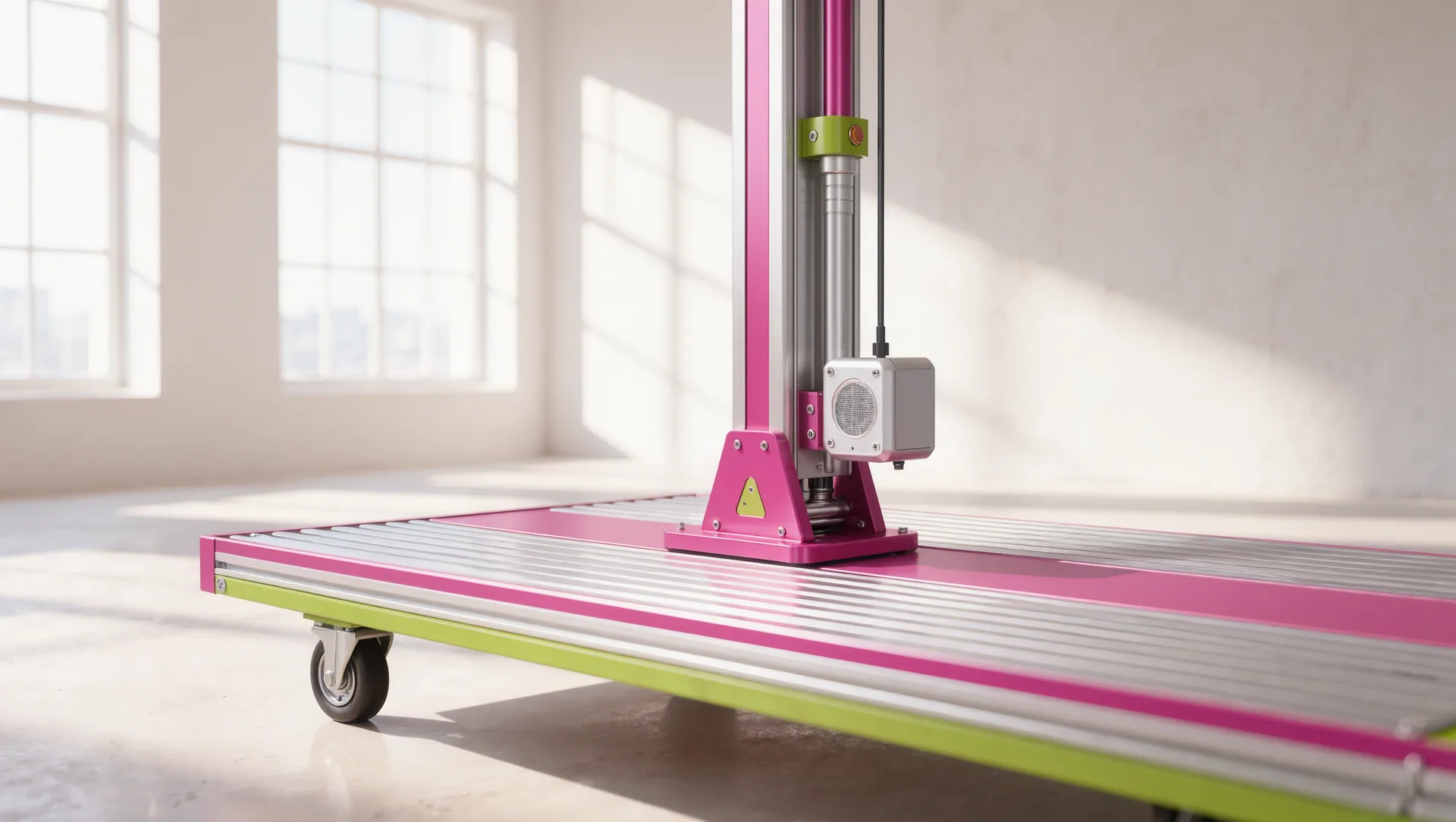
The security industry has experienced substantial changes in recent years with the introduction of advanced robotic systems. These automated machines are engineered to improve safety protocols and operational efficiency across diverse settings, including commercial facilities and public venues. Security robots incorporate state-of-the-art technologies that enable them to execute functions previously performed exclusively by human security personnel.
This technological adoption enhances operational effectiveness while meeting the increasing requirements for comprehensive security solutions in today's complex threat environment. The deployment of advanced robots in security operations provides multiple advantages. These systems maintain 24/7 operational capability without performance degradation, conduct surveillance across extensive areas with high accuracy, and execute immediate responses to security incidents.
As security threats continue to develop in sophistication and scope, organizations require innovative technological solutions. Advanced robotic systems deliver preventive security measures that enable organizations to protect their physical assets and personnel more effectively. This analysis examines the comprehensive applications of advanced robots in security, including their classifications, operational benefits, implementation challenges, and emerging technological developments.
Advanced robots play a pivotal role in enhancing security by providing a reliable and efficient means of surveillance and threat detection. Their ability to operate autonomously allows them to monitor environments continuously, reducing the likelihood of human error. These robots can be deployed in various settings, including airports, shopping malls, and corporate offices, where they can patrol designated areas and report any suspicious activities.
Moreover, advanced robots can be equipped with various sensors and cameras that enable them to gather data in real-time. This data can be analyzed to identify potential threats or breaches in security protocols. By integrating advanced robotics into security systems, organizations can create a more robust defense mechanism that not only deters criminal activity but also ensures a rapid response to incidents.
There are several types of advanced robots utilized for security purposes, each designed to address specific needs within the security landscape. Mobile patrol robots are among the most common, capable of navigating through various terrains while conducting surveillance. These robots often feature high-definition cameras and thermal imaging capabilities, allowing them to monitor areas effectively, even in low-light conditions.
Another type is stationary security robots, which are typically placed at entry points or high-risk areas. These robots can provide real-time alerts and communicate with security personnel when they detect unusual activity. Additionally, drones have emerged as a vital tool in security operations, offering aerial surveillance capabilities that enhance situational awareness.
Each type of robot serves a unique function, contributing to a comprehensive security strategy.
The benefits of using advanced robots for security are manifold. First and foremost, they significantly reduce labor costs associated with traditional security personnel. By automating routine tasks such as patrolling and monitoring, organizations can allocate human resources to more critical areas that require human judgment and intervention.
Furthermore, advanced robots enhance response times during emergencies. Equipped with real-time communication systems, these robots can alert human operators immediately upon detecting a threat. This swift action can be crucial in preventing incidents from escalating.
Additionally, the presence of advanced robots can act as a deterrent to potential criminals, knowing that they are being monitored by sophisticated technology.
Despite their numerous advantages, advanced robots in security face several challenges and limitations. One significant concern is the potential for technical malfunctions or failures. A robot that fails to operate correctly during a critical moment could compromise security efforts.
Regular maintenance and updates are essential to mitigate this risk. Another challenge is the public perception of robots in security roles. Some individuals may feel uncomfortable or threatened by the presence of robotic surveillance.
This discomfort can lead to resistance against adopting robotic solutions in certain environments. Addressing these concerns through education and transparency is vital for successful integration.
The integration of artificial intelligence (AI) into advanced robots has revolutionized their capabilities in security applications. AI enables these robots to learn from their environment and adapt their responses based on real-time data analysis. For instance, AI algorithms can help identify patterns in behavior that may indicate suspicious activity, allowing for proactive measures to be taken.
Moreover, AI enhances the decision-making process within robotic systems. By analyzing vast amounts of data quickly, AI-equipped robots can prioritize threats and determine the best course of action. This level of intelligence not only improves efficiency but also increases the overall effectiveness of security operations.
Advanced robot technologies for surveillance and monitoring have evolved significantly over the years. Modern surveillance robots are equipped with high-resolution cameras capable of capturing detailed images and videos from various angles. These cameras often include features such as night vision and motion detection, allowing for comprehensive monitoring regardless of environmental conditions.
Additionally, many surveillance robots utilize cloud-based technology for data storage and analysis. This capability enables real-time access to footage from anywhere, facilitating quicker decision-making by security personnel. The integration of advanced technologies ensures that organizations can maintain a vigilant watch over their premises while minimizing blind spots.
Advanced robot technologies have also made significant strides in threat detection and response capabilities. Many security robots are equipped with sophisticated sensors that can detect anomalies such as unauthorized access or unusual movements within a designated area. These sensors can include infrared detectors, sound sensors, and even chemical sensors for detecting hazardous materials.
When a potential threat is identified, these robots can initiate predefined protocols, such as alerting human operators or activating alarms. Some advanced robots are even capable of engaging with intruders through verbal warnings or deterrent measures like flashing lights or sirens. This proactive approach enhances overall security by ensuring that threats are addressed promptly.
The training and deployment of advanced robots in security operations require careful planning and execution. Organizations must ensure that their robotic systems are programmed with the necessary protocols to operate effectively within their specific environments. This includes defining patrol routes, identifying key areas for monitoring, and establishing communication protocols with human personnel.
Additionally, ongoing training is essential to keep the robotic systems updated with the latest software and operational techniques. Regular assessments should be conducted to evaluate the performance of these robots in real-world scenarios. By investing time and resources into training and deployment, organizations can maximize the benefits of advanced robotics in their security operations.
The use of advanced robots in security raises several ethical and legal considerations that organizations must address. Privacy concerns are paramount; individuals may feel uncomfortable being monitored by robotic systems equipped with cameras and sensors. Organizations must establish clear policies regarding data collection, storage, and usage to ensure compliance with privacy regulations.
Moreover, there are legal implications related to liability in case of malfunctions or misuse of robotic systems. Organizations must navigate these complexities carefully to avoid potential legal repercussions while maintaining public trust in their security measures.
The future of advanced robots in security is promising, with ongoing developments poised to enhance their capabilities further. One emerging trend is the increased use of machine learning algorithms that allow robots to improve their performance over time based on experience and data analysis. Additionally, advancements in robotics technology will likely lead to more versatile designs capable of adapting to various environments and tasks.
As public acceptance grows and ethical considerations are addressed, we can expect broader adoption of advanced robots across different sectors. In conclusion, advanced robots are transforming the landscape of security operations by providing innovative solutions that enhance safety and efficiency. As technology continues to evolve, organizations must stay informed about the latest advancements to leverage these tools effectively while addressing ethical concerns and public perceptions.
The future holds great potential for advanced robotics in creating safer environments for all.
This technological adoption enhances operational effectiveness while meeting the increasing requirements for comprehensive security solutions in today's complex threat environment. The deployment of advanced robots in security operations provides multiple advantages. These systems maintain 24/7 operational capability without performance degradation, conduct surveillance across extensive areas with high accuracy, and execute immediate responses to security incidents.
As security threats continue to develop in sophistication and scope, organizations require innovative technological solutions. Advanced robotic systems deliver preventive security measures that enable organizations to protect their physical assets and personnel more effectively. This analysis examines the comprehensive applications of advanced robots in security, including their classifications, operational benefits, implementation challenges, and emerging technological developments.
Key Takeaways
- Advanced robots significantly enhance security through surveillance, threat detection, and rapid response capabilities.
- Various types of robots, including drones, autonomous patrol units, and robotic sentries, are deployed for diverse security tasks.
- Integration of artificial intelligence enables robots to analyze data, identify threats, and make autonomous decisions.
- Despite benefits like increased efficiency and reduced human risk, challenges include technical limitations, ethical concerns, and legal issues.
- Future developments focus on improved AI, better human-robot collaboration, and addressing ethical frameworks for responsible use.
The Role of Advanced Robots in Enhancing Security
Advanced robots play a pivotal role in enhancing security by providing a reliable and efficient means of surveillance and threat detection. Their ability to operate autonomously allows them to monitor environments continuously, reducing the likelihood of human error. These robots can be deployed in various settings, including airports, shopping malls, and corporate offices, where they can patrol designated areas and report any suspicious activities.
Moreover, advanced robots can be equipped with various sensors and cameras that enable them to gather data in real-time. This data can be analyzed to identify potential threats or breaches in security protocols. By integrating advanced robotics into security systems, organizations can create a more robust defense mechanism that not only deters criminal activity but also ensures a rapid response to incidents.
Types of Advanced Robots Used for Security Purposes
There are several types of advanced robots utilized for security purposes, each designed to address specific needs within the security landscape. Mobile patrol robots are among the most common, capable of navigating through various terrains while conducting surveillance. These robots often feature high-definition cameras and thermal imaging capabilities, allowing them to monitor areas effectively, even in low-light conditions.
Another type is stationary security robots, which are typically placed at entry points or high-risk areas. These robots can provide real-time alerts and communicate with security personnel when they detect unusual activity. Additionally, drones have emerged as a vital tool in security operations, offering aerial surveillance capabilities that enhance situational awareness.
Each type of robot serves a unique function, contributing to a comprehensive security strategy.
Benefits of Using Advanced Robots for Security
The benefits of using advanced robots for security are manifold. First and foremost, they significantly reduce labor costs associated with traditional security personnel. By automating routine tasks such as patrolling and monitoring, organizations can allocate human resources to more critical areas that require human judgment and intervention.
Furthermore, advanced robots enhance response times during emergencies. Equipped with real-time communication systems, these robots can alert human operators immediately upon detecting a threat. This swift action can be crucial in preventing incidents from escalating.
Additionally, the presence of advanced robots can act as a deterrent to potential criminals, knowing that they are being monitored by sophisticated technology.
Challenges and Limitations of Advanced Robots in Security
Despite their numerous advantages, advanced robots in security face several challenges and limitations. One significant concern is the potential for technical malfunctions or failures. A robot that fails to operate correctly during a critical moment could compromise security efforts.
Regular maintenance and updates are essential to mitigate this risk. Another challenge is the public perception of robots in security roles. Some individuals may feel uncomfortable or threatened by the presence of robotic surveillance.
This discomfort can lead to resistance against adopting robotic solutions in certain environments. Addressing these concerns through education and transparency is vital for successful integration.
Integration of Artificial Intelligence in Advanced Robots for Security
The integration of artificial intelligence (AI) into advanced robots has revolutionized their capabilities in security applications. AI enables these robots to learn from their environment and adapt their responses based on real-time data analysis. For instance, AI algorithms can help identify patterns in behavior that may indicate suspicious activity, allowing for proactive measures to be taken.
Moreover, AI enhances the decision-making process within robotic systems. By analyzing vast amounts of data quickly, AI-equipped robots can prioritize threats and determine the best course of action. This level of intelligence not only improves efficiency but also increases the overall effectiveness of security operations.
Advanced Robot Technologies for Surveillance and Monitoring
Advanced robot technologies for surveillance and monitoring have evolved significantly over the years. Modern surveillance robots are equipped with high-resolution cameras capable of capturing detailed images and videos from various angles. These cameras often include features such as night vision and motion detection, allowing for comprehensive monitoring regardless of environmental conditions.
Additionally, many surveillance robots utilize cloud-based technology for data storage and analysis. This capability enables real-time access to footage from anywhere, facilitating quicker decision-making by security personnel. The integration of advanced technologies ensures that organizations can maintain a vigilant watch over their premises while minimizing blind spots.
Advanced Robot Technologies for Threat Detection and Response
Advanced robot technologies have also made significant strides in threat detection and response capabilities. Many security robots are equipped with sophisticated sensors that can detect anomalies such as unauthorized access or unusual movements within a designated area. These sensors can include infrared detectors, sound sensors, and even chemical sensors for detecting hazardous materials.
When a potential threat is identified, these robots can initiate predefined protocols, such as alerting human operators or activating alarms. Some advanced robots are even capable of engaging with intruders through verbal warnings or deterrent measures like flashing lights or sirens. This proactive approach enhances overall security by ensuring that threats are addressed promptly.
Training and Deployment of Advanced Robots in Security Operations
The training and deployment of advanced robots in security operations require careful planning and execution. Organizations must ensure that their robotic systems are programmed with the necessary protocols to operate effectively within their specific environments. This includes defining patrol routes, identifying key areas for monitoring, and establishing communication protocols with human personnel.
Additionally, ongoing training is essential to keep the robotic systems updated with the latest software and operational techniques. Regular assessments should be conducted to evaluate the performance of these robots in real-world scenarios. By investing time and resources into training and deployment, organizations can maximize the benefits of advanced robotics in their security operations.
Ethical and Legal Considerations in the Use of Advanced Robots for Security
The use of advanced robots in security raises several ethical and legal considerations that organizations must address. Privacy concerns are paramount; individuals may feel uncomfortable being monitored by robotic systems equipped with cameras and sensors. Organizations must establish clear policies regarding data collection, storage, and usage to ensure compliance with privacy regulations.
Moreover, there are legal implications related to liability in case of malfunctions or misuse of robotic systems. Organizations must navigate these complexities carefully to avoid potential legal repercussions while maintaining public trust in their security measures.
Future Trends and Developments in Advanced Robots for Security
The future of advanced robots in security is promising, with ongoing developments poised to enhance their capabilities further. One emerging trend is the increased use of machine learning algorithms that allow robots to improve their performance over time based on experience and data analysis. Additionally, advancements in robotics technology will likely lead to more versatile designs capable of adapting to various environments and tasks.
As public acceptance grows and ethical considerations are addressed, we can expect broader adoption of advanced robots across different sectors. In conclusion, advanced robots are transforming the landscape of security operations by providing innovative solutions that enhance safety and efficiency. As technology continues to evolve, organizations must stay informed about the latest advancements to leverage these tools effectively while addressing ethical concerns and public perceptions.
The future holds great potential for advanced robotics in creating safer environments for all.
FAQs
What are security robots?
Security robots are autonomous or remotely controlled machines designed to assist in surveillance, monitoring, and protection of premises. They often use cameras, sensors, and AI technology to detect and respond to security threats.Where are security robots commonly used?
Security robots are commonly deployed in places such as shopping malls, airports, warehouses, office buildings, and public spaces to enhance security measures and reduce the need for human patrols.How do security robots detect threats?
Security robots use a combination of cameras, infrared sensors, motion detectors, and sometimes facial recognition software to identify unusual activities, unauthorized access, or potential security breaches.Can security robots operate autonomously?
Yes, many security robots are equipped with autonomous navigation systems that allow them to patrol designated areas without human intervention, while some models can also be remotely controlled by security personnel.What are the benefits of using security robots?
Security robots can provide continuous surveillance, reduce human error, lower operational costs, and enhance safety by performing tasks in hazardous environments or during night hours.Are security robots equipped with communication capabilities?
Most security robots have communication systems that allow them to send real-time alerts, stream video footage, and communicate with security teams or law enforcement when necessary.Do security robots replace human security guards?
Security robots are generally used to complement human security personnel rather than replace them entirely. They handle routine monitoring tasks, allowing human guards to focus on more complex security issues.What technologies are commonly integrated into security robots?
Common technologies include artificial intelligence, machine learning, computer vision, lidar, GPS, and wireless communication systems to enhance detection, navigation, and reporting capabilities.Are security robots effective in preventing crimes?
Security robots can act as a deterrent to criminal activity due to their presence and monitoring capabilities. They also improve response times by quickly identifying and reporting suspicious behavior.What are the limitations of security robots?
Limitations include challenges in complex environments, potential technical malfunctions, limited ability to handle unpredictable human behavior, and privacy concerns related to surveillance.More in
More from Robotic
Robotic · 9 min
Robotic Precision: The Future of Automation
Robotic precision refers to the ability of automated systems to perform tasks with extremely high accuracy and repeatability. Modern industrial robots…

Robotic · 8 min
Advancements in Robotic Motion Control
Robotic motion control is a fundamental technology in modern automation systems that enables robots to execute precise movements through sophisticated…
Robotic · 9 min
Efficient Robotic Path Planning for Improved Navigation
Robotic path planning constitutes a fundamental component of robotics engineering that focuses on calculating optimal trajectories for robots to move …