Robotic · Robotic
Enhancing Efficiency with Robotic Vision Systems
Robotic vision systems are advanced technologies that enable robots to interpret and understand visual information from their surroundings. By integrating cameras, sensors, and sop…

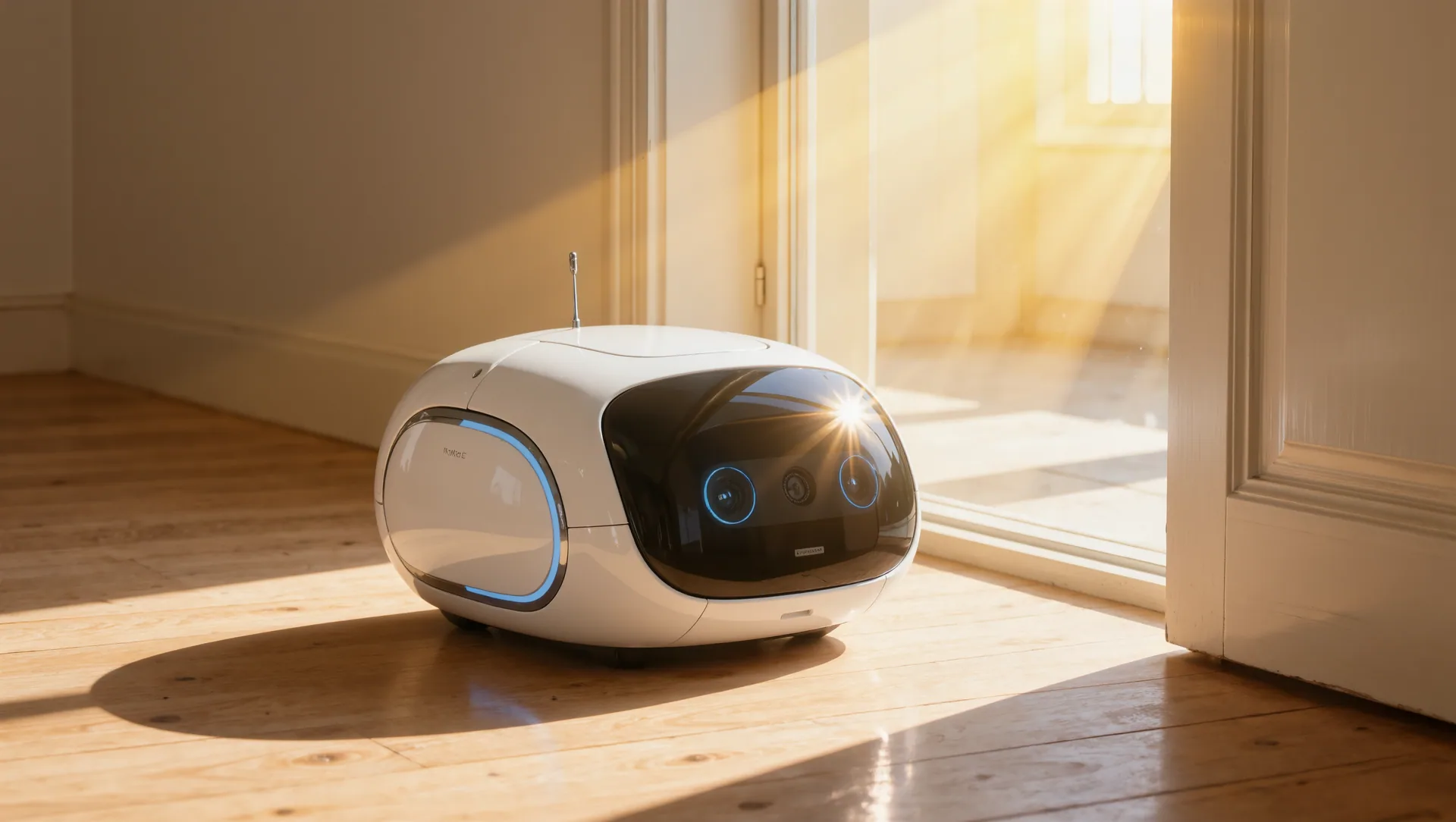
Robotic vision systems are advanced technologies that enable robots to interpret and understand visual information from their surroundings. By integrating cameras, sensors, and sophisticated algorithms, these systems allow robots to perform tasks that require visual perception, such as identifying objects, navigating environments, and making decisions based on visual data. The rise of robotic vision systems has transformed various industries, enhancing productivity and precision in operations.
As businesses seek to optimize their processes, understanding the capabilities and benefits of robotic vision systems becomes essential. The importance of robotic vision systems cannot be overstated. They bridge the gap between automation and intelligent decision-making, allowing machines to operate with a level of autonomy previously thought impossible.
With the ability to analyze images and make real-time adjustments, these systems are revolutionizing how industries approach manufacturing, quality control, and logistics. As we delve deeper into the role of robotic vision systems in industrial automation, it becomes clear that they are not just a trend but a fundamental shift in operational efficiency.
In the realm of industrial automation, robotic vision systems play a pivotal role in enhancing operational efficiency. They enable robots to perform complex tasks that require visual feedback, such as sorting, assembling, and inspecting products. By providing robots with the ability to "see," these systems facilitate a higher level of interaction with their environment, allowing for more precise and adaptable operations.
Moreover, robotic vision systems contribute significantly to quality assurance processes. They can detect defects or inconsistencies in products at a speed and accuracy that surpasses human capabilities. This not only reduces waste but also ensures that only high-quality products reach the market.
As industries strive for greater efficiency and reliability, the integration of robotic vision systems becomes increasingly vital.
The advantages of using robotic vision systems are manifold. First and foremost, they enhance productivity by enabling robots to work faster and more accurately than human workers. This increased speed translates into higher output rates, allowing companies to meet growing demand without compromising quality.
Additionally, robotic vision systems reduce labor costs by automating tasks that would otherwise require human intervention. This not only lowers operational expenses but also minimizes the risk of human error, leading to more consistent results. Furthermore, these systems can operate continuously without fatigue, ensuring that production lines run smoothly around the clock. They can be programmed to perform various tasks and adapt to changes in production requirements with minimal downtime. This adaptability is crucial in today’s fast-paced manufacturing environment, where agility is key to staying competitive.
A typical robotic vision system comprises several key components that work together to enable visual perception and processing. The primary elements include cameras, lighting, image processing software, and control systems. Each component plays a crucial role in ensuring the system functions effectively.
Cameras are the eyes of the robotic vision system, capturing images of the environment or objects being analyzed. The choice of camera, whether 2D or 3D, depends on the specific application and the level of detail required. Lighting is equally important; proper illumination enhances image quality and ensures accurate data capture.
Image processing software analyzes the captured images, extracting relevant information and making decisions based on predefined algorithms. This software can identify patterns, detect anomalies, and guide the robot's actions accordingly. Finally, control systems integrate all components, allowing for seamless communication between the robot and its vision system.
Robotic vision systems significantly improve efficiency in manufacturing by streamlining processes and reducing bottlenecks. By automating tasks such as inspection and sorting, these systems minimize the time required for manual checks and interventions. This leads to faster production cycles and increased throughput.
Moreover, robotic vision systems enhance accuracy in manufacturing operations. This level of precision not only reduces waste but also enhances customer satisfaction by delivering high-quality products consistently.
Additionally, these systems facilitate real-time monitoring of production processes. By analyzing data on-the-fly, robotic vision systems can identify inefficiencies or potential issues before they escalate into significant problems. This proactive approach allows manufacturers to make informed decisions quickly, further optimizing their operations.
Robotic vision systems find applications across various industries, each benefiting from their unique capabilities. In automotive manufacturing, for instance, these systems are used for quality control during assembly processes. They can inspect welds and paint finishes with remarkable accuracy, ensuring that vehicles meet stringent safety standards.
In the food and beverage industry, robotic vision systems assist in packaging and sorting products. They can identify different types of items on a conveyor belt and ensure that packaging is done correctly without human intervention. This not only speeds up production but also maintains hygiene standards by minimizing human contact with food products.
The electronics industry also leverages robotic vision systems for assembly line tasks such as component placement and inspection. These systems can detect misalignments or defects in circuit boards at high speeds, ensuring that only flawless products reach consumers.
Despite their numerous advantages, robotic vision systems face several challenges and limitations. One significant hurdle is the complexity of image processing algorithms required for accurate analysis. Developing these algorithms can be time-consuming and may require specialized expertise.
Another challenge is the variability in lighting conditions and environmental factors that can affect image quality. Changes in lighting or background can lead to misinterpretation of visual data, resulting in errors in decision-making processes. Ensuring consistent lighting conditions is crucial for reliable performance.
Additionally, while robotic vision systems excel at specific tasks, they may struggle with more complex scenarios requiring nuanced understanding or contextual awareness. This limitation can hinder their effectiveness in dynamic environments where adaptability is essential.
Integrating robotic vision systems with other automation technologies enhances their capabilities and overall effectiveness. For instance, combining robotic vision with artificial intelligence (AI) allows for more sophisticated decision-making processes based on visual data analysis. Moreover, integrating these systems with machine learning algorithms enables continuous improvement over time.
As the system processes more data, it can learn from past experiences and refine its performance accordingly. This adaptability is crucial for maintaining efficiency in rapidly changing manufacturing environments. Collaboration with other automation technologies also facilitates seamless communication between different components of a production line.
For example, integrating robotic vision with conveyor systems ensures that products are accurately tracked throughout the manufacturing process, reducing errors and improving overall workflow.
The future of robotic vision systems is promising, with several trends shaping their development and application. One notable trend is the increasing use of deep learning techniques for image recognition and analysis. These advanced algorithms enable more accurate object detection and classification, enhancing the capabilities of robotic vision systems.
Another trend is the miniaturization of components, leading to more compact and versatile robotic vision solutions. Smaller cameras and sensors can be integrated into various applications without compromising performance, making them accessible to a broader range of industries. Additionally, advancements in sensor technology are paving the way for improved depth perception and 3D imaging capabilities.
This will allow robotic vision systems to perform more complex tasks that require a better understanding of spatial relationships within their environment.
When considering the implementation of robotic vision systems, several factors must be taken into account to ensure success. First, businesses should assess their specific needs and objectives to determine how a robotic vision system can best serve their operations. Budget considerations are also crucial; while investing in advanced technology can yield significant returns in efficiency and quality control, it’s essential to evaluate the initial costs against potential long-term benefits.
Training personnel to operate and maintain these systems is another critical aspect of successful implementation. Ensuring that staff members are equipped with the necessary skills will maximize the system's effectiveness and minimize downtime due to operational issues.
Numerous companies have successfully implemented robotic vision systems to enhance their operations. For example, a leading automotive manufacturer integrated a robotic vision system into its assembly line to inspect welds automatically. This resulted in a 30% reduction in inspection time while improving overall product quality.
In another case study within the food industry, a major packaging company adopted robotic vision technology to streamline its sorting process. The system was able to identify different product types on a conveyor belt accurately, leading to a 25% increase in throughput while maintaining strict hygiene standards. These case studies illustrate how businesses across various sectors are leveraging robotic vision systems to drive efficiency and improve product quality.
As technology continues to evolve, more companies will likely follow suit, further solidifying the role of robotic vision in modern manufacturing. In conclusion, robotic vision systems represent a transformative force in industrial automation. By enhancing productivity, accuracy, and flexibility across various applications, they are poised to redefine how industries operate in an increasingly competitive landscape.
As businesses consider implementing these advanced technologies, understanding their benefits and challenges will be crucial for achieving long-term success.
As businesses seek to optimize their processes, understanding the capabilities and benefits of robotic vision systems becomes essential. The importance of robotic vision systems cannot be overstated. They bridge the gap between automation and intelligent decision-making, allowing machines to operate with a level of autonomy previously thought impossible.
With the ability to analyze images and make real-time adjustments, these systems are revolutionizing how industries approach manufacturing, quality control, and logistics. As we delve deeper into the role of robotic vision systems in industrial automation, it becomes clear that they are not just a trend but a fundamental shift in operational efficiency.
Key Takeaways
- Robotic vision systems play a crucial role in enhancing industrial automation by enabling machines to see and interpret their environment.
- These systems improve manufacturing efficiency through precise inspection, quality control, and real-time decision-making.
- Key components include cameras, sensors, image processing software, and robotic arms working together for accurate visual analysis.
- Integration with other automation technologies, such as AI and machine learning, expands the capabilities and applications of robotic vision.
- Despite challenges like high costs and technical complexity, successful implementations demonstrate significant productivity and quality improvements across various industries.
The Role of Robotic Vision Systems in Industrial Automation
In the realm of industrial automation, robotic vision systems play a pivotal role in enhancing operational efficiency. They enable robots to perform complex tasks that require visual feedback, such as sorting, assembling, and inspecting products. By providing robots with the ability to "see," these systems facilitate a higher level of interaction with their environment, allowing for more precise and adaptable operations.
Moreover, robotic vision systems contribute significantly to quality assurance processes. They can detect defects or inconsistencies in products at a speed and accuracy that surpasses human capabilities. This not only reduces waste but also ensures that only high-quality products reach the market.
As industries strive for greater efficiency and reliability, the integration of robotic vision systems becomes increasingly vital.
Advantages of Using Robotic Vision Systems
The advantages of using robotic vision systems are manifold. First and foremost, they enhance productivity by enabling robots to work faster and more accurately than human workers. This increased speed translates into higher output rates, allowing companies to meet growing demand without compromising quality.
Additionally, robotic vision systems reduce labor costs by automating tasks that would otherwise require human intervention. This not only lowers operational expenses but also minimizes the risk of human error, leading to more consistent results. Furthermore, these systems can operate continuously without fatigue, ensuring that production lines run smoothly around the clock. They can be programmed to perform various tasks and adapt to changes in production requirements with minimal downtime. This adaptability is crucial in today’s fast-paced manufacturing environment, where agility is key to staying competitive.
Components of a Robotic Vision System
A typical robotic vision system comprises several key components that work together to enable visual perception and processing. The primary elements include cameras, lighting, image processing software, and control systems. Each component plays a crucial role in ensuring the system functions effectively.
Cameras are the eyes of the robotic vision system, capturing images of the environment or objects being analyzed. The choice of camera, whether 2D or 3D, depends on the specific application and the level of detail required. Lighting is equally important; proper illumination enhances image quality and ensures accurate data capture.
Image processing software analyzes the captured images, extracting relevant information and making decisions based on predefined algorithms. This software can identify patterns, detect anomalies, and guide the robot's actions accordingly. Finally, control systems integrate all components, allowing for seamless communication between the robot and its vision system.
How Robotic Vision Systems Improve Efficiency in Manufacturing
Robotic vision systems significantly improve efficiency in manufacturing by streamlining processes and reducing bottlenecks. By automating tasks such as inspection and sorting, these systems minimize the time required for manual checks and interventions. This leads to faster production cycles and increased throughput.
Moreover, robotic vision systems enhance accuracy in manufacturing operations. This level of precision not only reduces waste but also enhances customer satisfaction by delivering high-quality products consistently.
Additionally, these systems facilitate real-time monitoring of production processes. By analyzing data on-the-fly, robotic vision systems can identify inefficiencies or potential issues before they escalate into significant problems. This proactive approach allows manufacturers to make informed decisions quickly, further optimizing their operations.
Applications of Robotic Vision Systems in Different Industries
Robotic vision systems find applications across various industries, each benefiting from their unique capabilities. In automotive manufacturing, for instance, these systems are used for quality control during assembly processes. They can inspect welds and paint finishes with remarkable accuracy, ensuring that vehicles meet stringent safety standards.
In the food and beverage industry, robotic vision systems assist in packaging and sorting products. They can identify different types of items on a conveyor belt and ensure that packaging is done correctly without human intervention. This not only speeds up production but also maintains hygiene standards by minimizing human contact with food products.
The electronics industry also leverages robotic vision systems for assembly line tasks such as component placement and inspection. These systems can detect misalignments or defects in circuit boards at high speeds, ensuring that only flawless products reach consumers.
Challenges and Limitations of Robotic Vision Systems
Despite their numerous advantages, robotic vision systems face several challenges and limitations. One significant hurdle is the complexity of image processing algorithms required for accurate analysis. Developing these algorithms can be time-consuming and may require specialized expertise.
Another challenge is the variability in lighting conditions and environmental factors that can affect image quality. Changes in lighting or background can lead to misinterpretation of visual data, resulting in errors in decision-making processes. Ensuring consistent lighting conditions is crucial for reliable performance.
Additionally, while robotic vision systems excel at specific tasks, they may struggle with more complex scenarios requiring nuanced understanding or contextual awareness. This limitation can hinder their effectiveness in dynamic environments where adaptability is essential.
Integration of Robotic Vision Systems with Other Automation Technologies
Integrating robotic vision systems with other automation technologies enhances their capabilities and overall effectiveness. For instance, combining robotic vision with artificial intelligence (AI) allows for more sophisticated decision-making processes based on visual data analysis. Moreover, integrating these systems with machine learning algorithms enables continuous improvement over time.
As the system processes more data, it can learn from past experiences and refine its performance accordingly. This adaptability is crucial for maintaining efficiency in rapidly changing manufacturing environments. Collaboration with other automation technologies also facilitates seamless communication between different components of a production line.
For example, integrating robotic vision with conveyor systems ensures that products are accurately tracked throughout the manufacturing process, reducing errors and improving overall workflow.
Future Trends in Robotic Vision Systems
The future of robotic vision systems is promising, with several trends shaping their development and application. One notable trend is the increasing use of deep learning techniques for image recognition and analysis. These advanced algorithms enable more accurate object detection and classification, enhancing the capabilities of robotic vision systems.
Another trend is the miniaturization of components, leading to more compact and versatile robotic vision solutions. Smaller cameras and sensors can be integrated into various applications without compromising performance, making them accessible to a broader range of industries. Additionally, advancements in sensor technology are paving the way for improved depth perception and 3D imaging capabilities.
This will allow robotic vision systems to perform more complex tasks that require a better understanding of spatial relationships within their environment.
Considerations for Implementing Robotic Vision Systems
When considering the implementation of robotic vision systems, several factors must be taken into account to ensure success. First, businesses should assess their specific needs and objectives to determine how a robotic vision system can best serve their operations. Budget considerations are also crucial; while investing in advanced technology can yield significant returns in efficiency and quality control, it’s essential to evaluate the initial costs against potential long-term benefits.
Training personnel to operate and maintain these systems is another critical aspect of successful implementation. Ensuring that staff members are equipped with the necessary skills will maximize the system's effectiveness and minimize downtime due to operational issues.
Case Studies of Successful Implementation of Robotic Vision Systems
Numerous companies have successfully implemented robotic vision systems to enhance their operations. For example, a leading automotive manufacturer integrated a robotic vision system into its assembly line to inspect welds automatically. This resulted in a 30% reduction in inspection time while improving overall product quality.
In another case study within the food industry, a major packaging company adopted robotic vision technology to streamline its sorting process. The system was able to identify different product types on a conveyor belt accurately, leading to a 25% increase in throughput while maintaining strict hygiene standards. These case studies illustrate how businesses across various sectors are leveraging robotic vision systems to drive efficiency and improve product quality.
As technology continues to evolve, more companies will likely follow suit, further solidifying the role of robotic vision in modern manufacturing. In conclusion, robotic vision systems represent a transformative force in industrial automation. By enhancing productivity, accuracy, and flexibility across various applications, they are poised to redefine how industries operate in an increasingly competitive landscape.
As businesses consider implementing these advanced technologies, understanding their benefits and challenges will be crucial for achieving long-term success.
FAQs
What are robotic vision systems?
Robotic vision systems are technologies that enable robots to interpret and understand visual information from their environment using cameras, sensors, and image processing algorithms.How do robotic vision systems work?
These systems capture images or video through cameras or sensors, then process the data using software to identify objects, measure distances, recognize patterns, and make decisions based on visual input.What are the main components of a robotic vision system?
The main components include image acquisition devices (cameras or sensors), lighting equipment, image processing hardware and software, and sometimes actuators for interaction based on visual data.What are common applications of robotic vision systems?
Robotic vision systems are used in manufacturing for quality control, in autonomous vehicles for navigation, in healthcare for surgical assistance, and in logistics for sorting and inspection tasks.What types of cameras are used in robotic vision systems?
Common types include 2D cameras, 3D cameras, stereo vision cameras, infrared cameras, and time-of-flight cameras, each suited for different tasks and environments.What is the difference between 2D and 3D robotic vision systems?
2D vision systems capture flat images and are used for surface inspection and object recognition, while 3D systems capture depth information, enabling robots to understand spatial relationships and perform complex tasks.What role does artificial intelligence play in robotic vision systems?
AI enhances robotic vision by enabling advanced image recognition, object detection, and decision-making capabilities through machine learning and deep learning algorithms.What challenges do robotic vision systems face?
Challenges include dealing with varying lighting conditions, occlusions, complex backgrounds, real-time processing requirements, and the need for high accuracy and reliability.How do robotic vision systems improve automation?
They provide robots with the ability to perceive and adapt to their environment, increasing precision, reducing errors, and enabling more complex and flexible automation processes.Are robotic vision systems expensive to implement?
Costs vary depending on system complexity, components, and application requirements, but advances in technology have made many vision systems more affordable and accessible for various industries.More in
More from Robotic
Robotic · 9 min
Robotic Precision: The Future of Automation
Robotic precision refers to the ability of automated systems to perform tasks with extremely high accuracy and repeatability. Modern industrial robots…

Robotic · 8 min
Advancements in Robotic Motion Control
Robotic motion control is a fundamental technology in modern automation systems that enables robots to execute precise movements through sophisticated…
Robotic · 9 min
Efficient Robotic Path Planning for Improved Navigation
Robotic path planning constitutes a fundamental component of robotics engineering that focuses on calculating optimal trajectories for robots to move …