Robotic · Robotic
Embracing the Robotic Future: A Glimpse into Tomorrow
Robotics technology has experienced significant growth and integration across multiple sectors over the past decade. Robotic systems now operate in residential environments through…

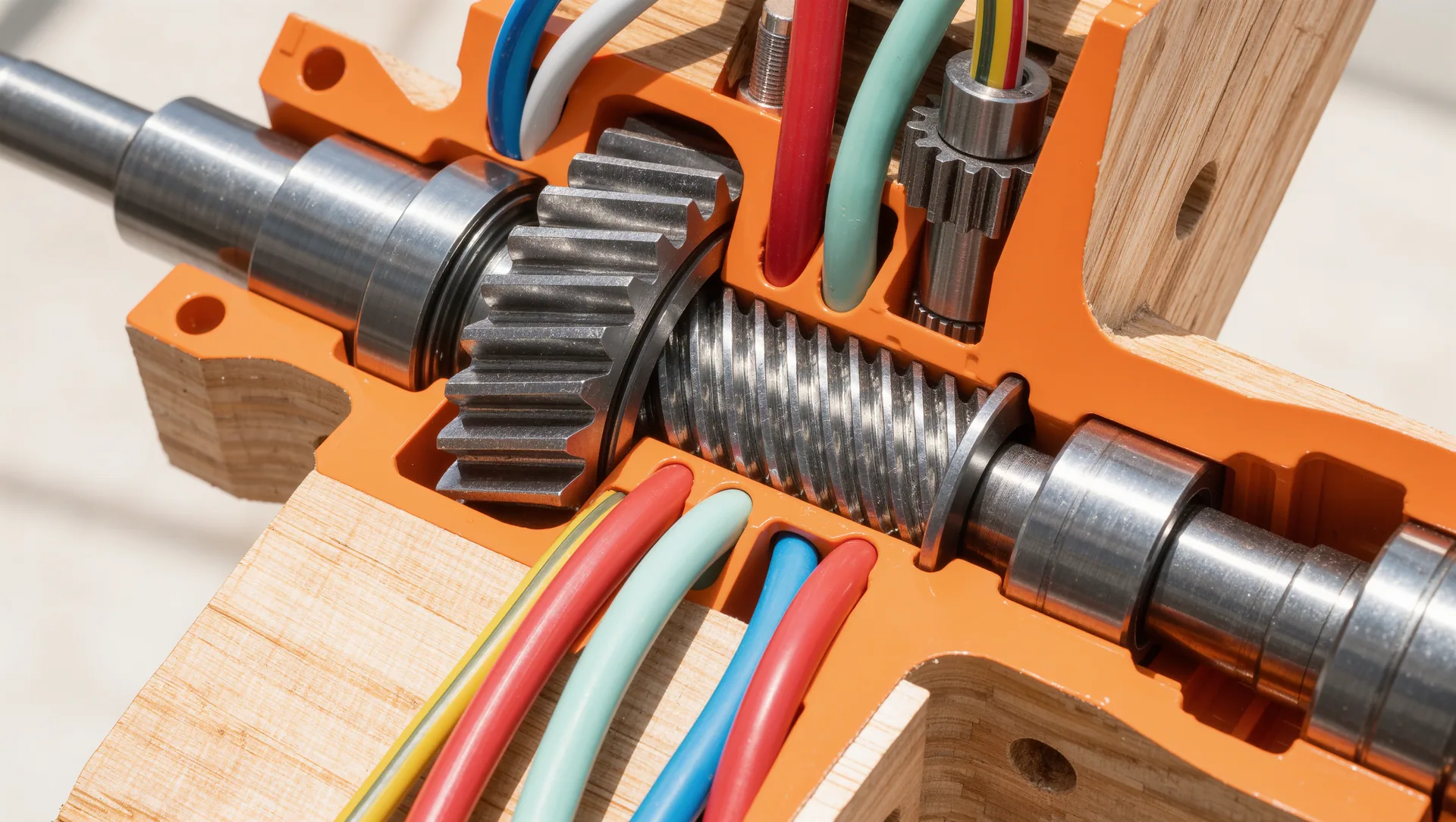
Robotics technology has experienced significant growth and integration across multiple sectors over the past decade. Robotic systems now operate in residential environments through automated cleaning devices, industrial manufacturing facilities, healthcare institutions, educational settings, and transportation networks. This expansion results from technological improvements in artificial intelligence, sensor technology, and manufacturing processes that have reduced production costs and increased functionality.
Statistical data indicates substantial market growth in the robotics industry, with applications ranging from simple automated household devices to complex surgical robots and autonomous vehicles. Manufacturing automation has increased productivity in numerous industries, while service robots assist with tasks in hospitals, schools, and retail environments. The development of more sophisticated programming and machine learning capabilities has enabled robots to perform increasingly complex operations.
The widespread adoption of robotic systems has generated economic impacts through job market changes, productivity improvements, and new industry sectors. Research institutions and technology companies continue to advance robotic capabilities in areas such as mobility, manipulation, and human-robot interaction. Current developments focus on improving safety protocols, enhancing operational efficiency, and expanding the range of tasks that automated systems can perform reliably.
The introduction of robots into the workforce is transforming industries at an unprecedented pace. Automation is streamlining processes, reducing costs, and increasing productivity across various sectors. In manufacturing, robots are taking over repetitive tasks, allowing human workers to focus on more complex and creative aspects of production.
This shift not only enhances efficiency but also improves job satisfaction as employees engage in more meaningful work. However, the rise of robotics in the workforce also presents challenges. Many fear job displacement as machines take over roles traditionally held by humans.
While it is true that some jobs may become obsolete, new opportunities are emerging in fields such as robot maintenance, programming, and oversight. The key lies in adapting to this changing landscape by reskilling and upskilling the workforce to meet the demands of a more automated world. Embracing this change can lead to a more innovative and productive workforce.
Robotics has revolutionized industry and manufacturing by introducing automation that enhances efficiency and precision. In factories, robots are now capable of performing tasks such as welding, painting, and assembly with remarkable accuracy. This not only reduces production time but also minimizes errors, leading to higher quality products.
The ability to operate 24/7 without fatigue allows manufacturers to meet increasing consumer demands while maintaining cost-effectiveness. Moreover, robotics is facilitating the shift towards smart manufacturing, where interconnected machines communicate and collaborate seamlessly.
As industries continue to adopt these technologies, we can expect a significant transformation in how goods are produced and delivered, ultimately benefiting consumers with faster and more reliable services.
In healthcare, robotics is making significant strides in improving patient care and outcomes. Surgical robots assist surgeons in performing complex procedures with enhanced precision and minimal invasiveness. These advanced systems reduce recovery times and improve surgical accuracy, leading to better patient experiences.
Additionally, robots are being utilized for rehabilitation purposes, helping patients regain mobility through personalized therapy programs. Beyond surgery, robots are also playing a crucial role in patient monitoring and assistance. Robotic systems can track vital signs, administer medications, and provide companionship to patients in need.
This integration of robotics into healthcare not only alleviates the burden on medical staff but also enhances the overall quality of care provided to patients. As technology continues to advance, we can expect even more innovative applications of robotics in medicine.
The integration of robotics into education is preparing students for a future where technology plays a central role in their lives. Educational institutions are increasingly incorporating robotics into their curricula to teach students about programming, engineering, and problem-solving skills. By engaging with robots, students develop critical thinking abilities and creativity while gaining hands-on experience with technology.
Moreover, robotics competitions and clubs are fostering teamwork and collaboration among students. These activities encourage students to work together to design and build robots, promoting communication skills and a sense of community. As students learn to navigate the challenges of robotics, they are better equipped for future careers in STEM fields.
The emphasis on robotics in education not only prepares students for the workforce but also inspires the next generation of innovators.
As robotics becomes more prevalent in society, ethical considerations surrounding their use are gaining attention. Questions arise regarding privacy, security, and the potential for bias in algorithms that govern robotic behavior.
Addressing these ethical concerns is crucial to ensuring that robotics serves humanity positively. Furthermore, there is a growing need for regulations governing the development and deployment of robotic technologies. Policymakers must establish guidelines that protect individuals' rights while fostering innovation.
Engaging diverse stakeholders in discussions about ethics will help create a framework that balances technological advancement with societal values. As we embrace robotics, it is essential to prioritize ethical considerations to build trust between humans and machines.
The synergy between artificial intelligence (AI) and robotics is driving remarkable advancements across various sectors. AI enhances robotic capabilities by enabling machines to learn from data, adapt to new situations, and make informed decisions autonomously. This combination allows robots to perform tasks that require cognitive abilities previously thought exclusive to humans.
For example, AI-powered robots can analyze vast amounts of data in real-time, improving their performance in tasks such as quality control in manufacturing or diagnosing medical conditions in healthcare settings. As AI continues to evolve, we can expect robots to become even more intelligent and versatile, capable of tackling complex challenges across different domains. The integration of AI into robotics is paving the way for a future where machines can collaborate seamlessly with humans.
The concept of smart homes and cities is becoming a reality with the integration of robotics into everyday life. In smart homes, robotic assistants can manage household tasks such as cleaning, cooking, and security monitoring. These devices enhance convenience and efficiency while allowing homeowners to focus on more meaningful activities.
On a larger scale, cities are adopting robotic technologies to improve infrastructure and public services. Autonomous vehicles are being tested for public transportation systems, while drones are used for delivery services and emergency response efforts. The integration of robotics into urban environments has the potential to reduce traffic congestion, lower emissions, and enhance overall quality of life for residents.
As smart cities continue to evolve, robotics will play a pivotal role in shaping sustainable urban living.
Robotics holds immense potential for space exploration, enabling humanity to venture further into the cosmos than ever before. Robotic spacecraft have already played crucial roles in missions to Mars, asteroids, and beyond. These machines can withstand harsh environments where human presence would be challenging or impossible.
Moreover, advancements in robotics are paving the way for future missions involving human-robot collaboration in space. Robots can assist astronauts with tasks such as construction on extraterrestrial surfaces or conducting scientific experiments in remote locations. As we continue to explore the universe, robotics will be essential for expanding our understanding of space while ensuring the safety of human explorers.
While the benefits of robotics are clear, several challenges must be addressed for widespread adoption. One significant hurdle is the initial cost associated with implementing robotic systems in various industries. Businesses may hesitate to invest in automation due to concerns about return on investment or potential job losses.
Additionally, there is a need for comprehensive training programs to equip workers with the skills necessary to operate alongside robots effectively. Organizations must prioritize reskilling initiatives to ensure that employees can adapt to new technologies rather than being displaced by them. By addressing these challenges head-on, society can fully embrace the advantages that robotics offers while fostering a collaborative environment between humans and machines.
The future of work lies in collaboration between humans and robots rather than competition. By leveraging each other's strengths, we can create a more efficient and innovative workforce. Robots excel at performing repetitive tasks with precision while humans bring creativity, emotional intelligence, and critical thinking skills to the table.
This collaborative approach can lead to enhanced productivity across various sectors while improving job satisfaction for workers who engage in more meaningful tasks. As we move forward into an era where robotics plays an increasingly prominent role in our lives, fostering a culture of collaboration will be essential for maximizing the benefits of this technology. In conclusion, the rise of robotics presents both opportunities and challenges across multiple domains.
By embracing these advancements thoughtfully and ethically, we can create a future where humans and robots coexist harmoniously, enhancing our lives while driving innovation forward.
Statistical data indicates substantial market growth in the robotics industry, with applications ranging from simple automated household devices to complex surgical robots and autonomous vehicles. Manufacturing automation has increased productivity in numerous industries, while service robots assist with tasks in hospitals, schools, and retail environments. The development of more sophisticated programming and machine learning capabilities has enabled robots to perform increasingly complex operations.
The widespread adoption of robotic systems has generated economic impacts through job market changes, productivity improvements, and new industry sectors. Research institutions and technology companies continue to advance robotic capabilities in areas such as mobility, manipulation, and human-robot interaction. Current developments focus on improving safety protocols, enhancing operational efficiency, and expanding the range of tasks that automated systems can perform reliably.
Key Takeaways
- Robotics is increasingly integrated into daily life, transforming various sectors from homes to workplaces.
- Robots are reshaping the workforce by automating tasks and creating new job opportunities.
- Advances in AI enhance robotic capabilities, driving innovation in healthcare, manufacturing, and education.
- Ethical considerations are crucial as robotics become more autonomous and embedded in society.
- Collaboration between humans and robots is key to overcoming challenges and maximizing benefits.
How Robots Are Changing the Workforce
The introduction of robots into the workforce is transforming industries at an unprecedented pace. Automation is streamlining processes, reducing costs, and increasing productivity across various sectors. In manufacturing, robots are taking over repetitive tasks, allowing human workers to focus on more complex and creative aspects of production.
This shift not only enhances efficiency but also improves job satisfaction as employees engage in more meaningful work. However, the rise of robotics in the workforce also presents challenges. Many fear job displacement as machines take over roles traditionally held by humans.
While it is true that some jobs may become obsolete, new opportunities are emerging in fields such as robot maintenance, programming, and oversight. The key lies in adapting to this changing landscape by reskilling and upskilling the workforce to meet the demands of a more automated world. Embracing this change can lead to a more innovative and productive workforce.
The Impact of Robotics on Industry and Manufacturing
Robotics has revolutionized industry and manufacturing by introducing automation that enhances efficiency and precision. In factories, robots are now capable of performing tasks such as welding, painting, and assembly with remarkable accuracy. This not only reduces production time but also minimizes errors, leading to higher quality products.
The ability to operate 24/7 without fatigue allows manufacturers to meet increasing consumer demands while maintaining cost-effectiveness. Moreover, robotics is facilitating the shift towards smart manufacturing, where interconnected machines communicate and collaborate seamlessly.
As industries continue to adopt these technologies, we can expect a significant transformation in how goods are produced and delivered, ultimately benefiting consumers with faster and more reliable services.
The Role of Robotics in Healthcare and Medicine
In healthcare, robotics is making significant strides in improving patient care and outcomes. Surgical robots assist surgeons in performing complex procedures with enhanced precision and minimal invasiveness. These advanced systems reduce recovery times and improve surgical accuracy, leading to better patient experiences.
Additionally, robots are being utilized for rehabilitation purposes, helping patients regain mobility through personalized therapy programs. Beyond surgery, robots are also playing a crucial role in patient monitoring and assistance. Robotic systems can track vital signs, administer medications, and provide companionship to patients in need.
This integration of robotics into healthcare not only alleviates the burden on medical staff but also enhances the overall quality of care provided to patients. As technology continues to advance, we can expect even more innovative applications of robotics in medicine.
Robotics in Education: Preparing for the Future
The integration of robotics into education is preparing students for a future where technology plays a central role in their lives. Educational institutions are increasingly incorporating robotics into their curricula to teach students about programming, engineering, and problem-solving skills. By engaging with robots, students develop critical thinking abilities and creativity while gaining hands-on experience with technology.
Moreover, robotics competitions and clubs are fostering teamwork and collaboration among students. These activities encourage students to work together to design and build robots, promoting communication skills and a sense of community. As students learn to navigate the challenges of robotics, they are better equipped for future careers in STEM fields.
The emphasis on robotics in education not only prepares students for the workforce but also inspires the next generation of innovators.
The Ethical Considerations of Robotics
As robotics becomes more prevalent in society, ethical considerations surrounding their use are gaining attention. Questions arise regarding privacy, security, and the potential for bias in algorithms that govern robotic behavior.
Addressing these ethical concerns is crucial to ensuring that robotics serves humanity positively. Furthermore, there is a growing need for regulations governing the development and deployment of robotic technologies. Policymakers must establish guidelines that protect individuals' rights while fostering innovation.
Engaging diverse stakeholders in discussions about ethics will help create a framework that balances technological advancement with societal values. As we embrace robotics, it is essential to prioritize ethical considerations to build trust between humans and machines.
The Advancements in Artificial Intelligence and Robotics
The synergy between artificial intelligence (AI) and robotics is driving remarkable advancements across various sectors. AI enhances robotic capabilities by enabling machines to learn from data, adapt to new situations, and make informed decisions autonomously. This combination allows robots to perform tasks that require cognitive abilities previously thought exclusive to humans.
For example, AI-powered robots can analyze vast amounts of data in real-time, improving their performance in tasks such as quality control in manufacturing or diagnosing medical conditions in healthcare settings. As AI continues to evolve, we can expect robots to become even more intelligent and versatile, capable of tackling complex challenges across different domains. The integration of AI into robotics is paving the way for a future where machines can collaborate seamlessly with humans.
The Integration of Robotics in Smart Homes and Cities
The concept of smart homes and cities is becoming a reality with the integration of robotics into everyday life. In smart homes, robotic assistants can manage household tasks such as cleaning, cooking, and security monitoring. These devices enhance convenience and efficiency while allowing homeowners to focus on more meaningful activities.
On a larger scale, cities are adopting robotic technologies to improve infrastructure and public services. Autonomous vehicles are being tested for public transportation systems, while drones are used for delivery services and emergency response efforts. The integration of robotics into urban environments has the potential to reduce traffic congestion, lower emissions, and enhance overall quality of life for residents.
As smart cities continue to evolve, robotics will play a pivotal role in shaping sustainable urban living.
The Potential of Robotics in Space Exploration
Robotics holds immense potential for space exploration, enabling humanity to venture further into the cosmos than ever before. Robotic spacecraft have already played crucial roles in missions to Mars, asteroids, and beyond. These machines can withstand harsh environments where human presence would be challenging or impossible.
Moreover, advancements in robotics are paving the way for future missions involving human-robot collaboration in space. Robots can assist astronauts with tasks such as construction on extraterrestrial surfaces or conducting scientific experiments in remote locations. As we continue to explore the universe, robotics will be essential for expanding our understanding of space while ensuring the safety of human explorers.
Overcoming the Challenges of Embracing Robotics
While the benefits of robotics are clear, several challenges must be addressed for widespread adoption. One significant hurdle is the initial cost associated with implementing robotic systems in various industries. Businesses may hesitate to invest in automation due to concerns about return on investment or potential job losses.
Additionally, there is a need for comprehensive training programs to equip workers with the skills necessary to operate alongside robots effectively. Organizations must prioritize reskilling initiatives to ensure that employees can adapt to new technologies rather than being displaced by them. By addressing these challenges head-on, society can fully embrace the advantages that robotics offers while fostering a collaborative environment between humans and machines.
Embracing a Collaborative Future: Humans and Robots Working Together
The future of work lies in collaboration between humans and robots rather than competition. By leveraging each other's strengths, we can create a more efficient and innovative workforce. Robots excel at performing repetitive tasks with precision while humans bring creativity, emotional intelligence, and critical thinking skills to the table.
This collaborative approach can lead to enhanced productivity across various sectors while improving job satisfaction for workers who engage in more meaningful tasks. As we move forward into an era where robotics plays an increasingly prominent role in our lives, fostering a culture of collaboration will be essential for maximizing the benefits of this technology. In conclusion, the rise of robotics presents both opportunities and challenges across multiple domains.
By embracing these advancements thoughtfully and ethically, we can create a future where humans and robots coexist harmoniously, enhancing our lives while driving innovation forward.
FAQs
What is meant by a robotic future?
A robotic future refers to a time when robots and automated systems play a significant role in everyday life, industries, and various sectors, enhancing efficiency, productivity, and quality of life.How are robots currently used in industries?
Robots are widely used in manufacturing, healthcare, agriculture, logistics, and service industries for tasks such as assembly, surgery assistance, crop monitoring, package sorting, and customer service.What advancements are driving the development of a robotic future?
Key advancements include improvements in artificial intelligence, machine learning, sensor technology, robotics hardware, and connectivity, enabling robots to perform complex tasks autonomously and interact safely with humans.Will robots replace human jobs in the future?
While robots may automate certain repetitive or hazardous jobs, they are also expected to create new job opportunities and augment human capabilities rather than completely replace human workers.How will robots impact daily life in the future?
Robots could assist with household chores, provide companionship, support elderly care, enhance transportation through autonomous vehicles, and improve safety and convenience in various aspects of daily living.Are there ethical concerns related to a robotic future?
Yes, ethical concerns include privacy issues, job displacement, decision-making accountability, robot autonomy, and ensuring that robotic technologies are developed and used responsibly and fairly.What role does artificial intelligence play in robotics?
Artificial intelligence enables robots to perceive their environment, make decisions, learn from experience, and adapt to new situations, making them more autonomous and effective in performing tasks.How can society prepare for a robotic future?
Preparation involves investing in education and training for new skills, developing regulations and standards for robotics, promoting ethical research, and fostering collaboration between governments, industries, and communities.What are some examples of robots currently in use?
Examples include industrial robotic arms, autonomous drones, surgical robots like the da Vinci system, robotic vacuum cleaners, and social robots designed for interaction and assistance.Will robots be able to think and feel like humans?
Currently, robots do not possess consciousness or emotions. While AI can simulate certain aspects of human behavior, true human-like thinking and feeling remain a subject of ongoing research and philosophical debate.More in
More from Robotic
Robotic · 9 min
Robotic Precision: The Future of Automation
Robotic precision refers to the ability of automated systems to perform tasks with extremely high accuracy and repeatability. Modern industrial robots…
Robotic · 8 min
Advancements in Robotic Motion Control
Robotic motion control is a fundamental technology in modern automation systems that enables robots to execute precise movements through sophisticated…

Robotic · 9 min
Efficient Robotic Path Planning for Improved Navigation
Robotic path planning constitutes a fundamental component of robotics engineering that focuses on calculating optimal trajectories for robots to move …