Robotic · Robotic
Advancements in Robotic Research
Robotic research encompasses the systematic study and development of automated machines through the integration of mechanical engineering, computer science, and artificial intellig…

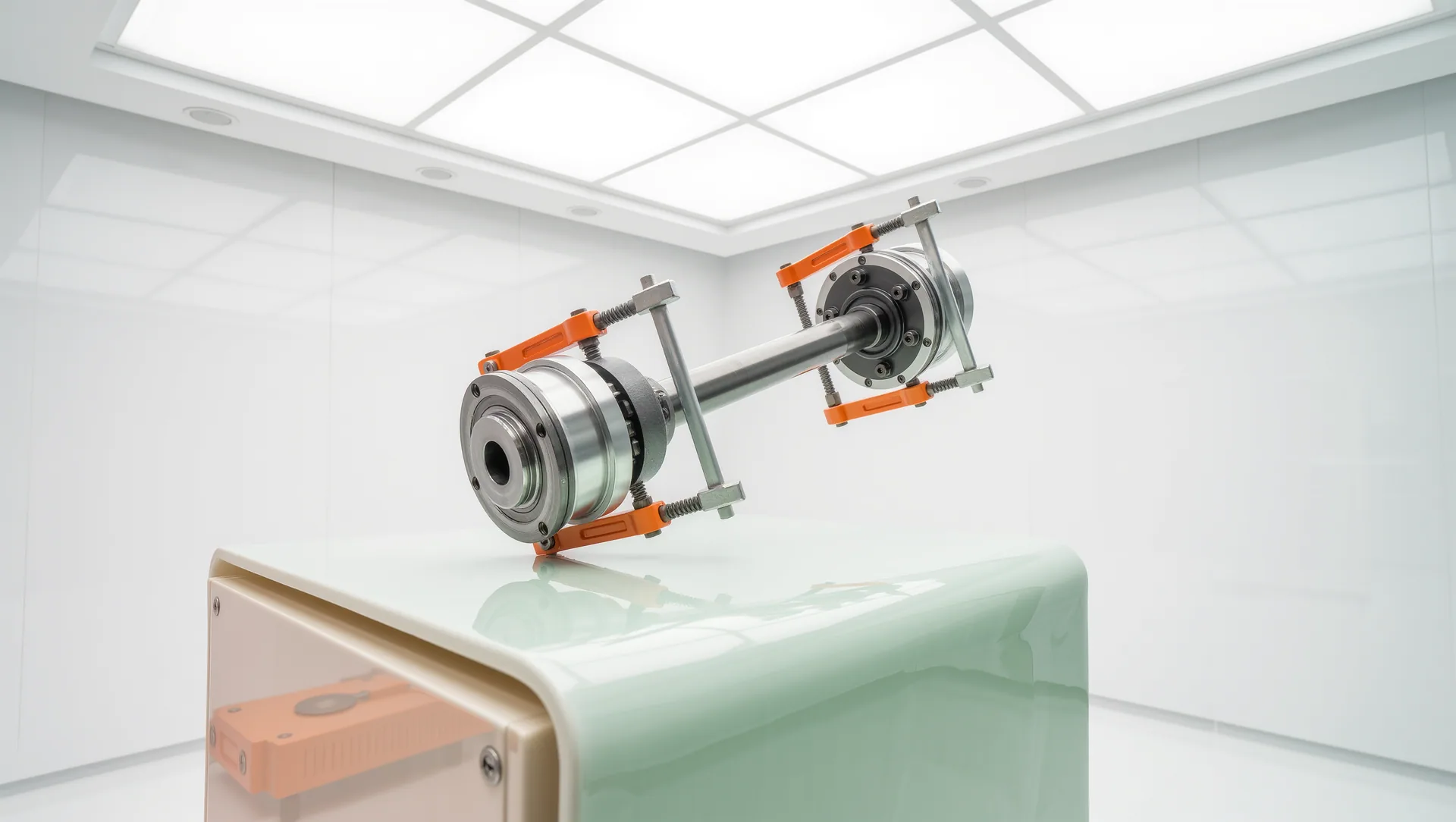
Robotic research encompasses the systematic study and development of automated machines through the integration of mechanical engineering, computer science, and artificial intelligence technologies. The field has experienced substantial growth since the 1960s, with accelerated development occurring in recent decades due to improvements in computational power, sensor technology, and machine learning algorithms.
Research objectives center on designing robotic systems that can augment human performance, increase operational efficiency, and perform functions in environments that pose safety risks to human workers. Applications of robotic research span multiple sectors, including manufacturing automation, medical procedures, space exploration, military operations, and domestic assistance. Current research priorities include enhancing machine perception through advanced sensor integration, improving decision-making capabilities through artificial intelligence, developing more sophisticated human-robot interaction protocols, and creating adaptable systems capable of operating in unstructured environments.
The economic impact of robotic technologies continues to expand, with implementations demonstrating measurable improvements in production rates, precision, and cost reduction across various industries. Ongoing research addresses technical challenges such as mobility in complex terrains, object manipulation, real-time processing, and safety protocols for human-robot collaboration.
The evolution of robotics can be traced back to ancient times when inventors dreamed of creating machines that could mimic human actions. However, it wasn't until the 20th century that significant strides were made in this field. The introduction of programmable machines in the 1950s marked a pivotal moment in robotic history.
These early robots were primarily used in industrial settings, performing repetitive tasks with precision and speed. As technology advanced, so did the capabilities of robots. The 1980s and 1990s saw the emergence of more sophisticated robots equipped with sensors and basic artificial intelligence.
These developments allowed robots to interact with their environment and adapt to changing conditions. Today, robotics encompasses a wide range of applications, from autonomous vehicles to drones and humanoid robots, reflecting the rapid pace of innovation in this exciting field.
Artificial intelligence (AI) plays a crucial role in modern robotics, enabling machines to learn from their experiences and make decisions based on data. By integrating AI algorithms into robotic systems, researchers have created robots that can perform complex tasks with minimal human intervention. This synergy between AI and robotics has led to significant advancements in areas such as machine learning, computer vision, and natural language processing.
One of the most notable applications of AI in robotics is in autonomous navigation. Robots equipped with AI can analyze their surroundings, identify obstacles, and plan optimal paths to reach their destinations. This capability is essential for applications ranging from self-driving cars to delivery drones.
As AI continues to evolve, we can expect even more sophisticated robotic systems that can adapt to unpredictable environments and perform tasks that were once thought impossible.
Robotic sensors are critical components that enable machines to perceive their environment and interact with it effectively. Recent advancements in sensor technology have significantly enhanced the capabilities of robots. Modern sensors can detect a wide range of stimuli, including light, sound, temperature, and motion, allowing robots to gather real-time data about their surroundings.
One notable advancement is the development of LIDAR (Light Detection and Ranging) technology, which uses laser beams to create detailed 3D maps of an environment. This technology is particularly useful for autonomous vehicles, as it allows them to navigate complex terrains safely. Additionally, advancements in tactile sensors enable robots to sense pressure and texture, improving their ability to manipulate objects delicately.
These innovations are paving the way for more intelligent and versatile robotic systems.
Robotic mobility and locomotion are essential aspects of robotic design that determine how effectively a robot can navigate its environment. Traditional wheeled robots have been widely used for their simplicity and efficiency on flat surfaces. However, as robotics research progresses, there is a growing interest in developing robots that can traverse diverse terrains.
Legged robots, for instance, mimic the movement of animals and can navigate uneven surfaces with ease. Researchers are also exploring bio-inspired designs that replicate the locomotion of various species, such as insects or birds. These advancements not only enhance mobility but also expand the potential applications of robots in fields like search and rescue operations or exploration in challenging environments.
Human-robot interaction (HRI) is a critical area of research that focuses on how humans and robots communicate and collaborate effectively. As robots become more integrated into our daily lives, understanding HRI becomes increasingly important. Effective communication between humans and robots can enhance productivity and ensure safety in collaborative environments.
Researchers are developing intuitive interfaces that allow users to interact with robots using natural language or gestures. Additionally, social robots designed for companionship or assistance are being programmed to recognize human emotions and respond appropriately. This emotional intelligence is vital for applications in healthcare or elder care, where building trust and rapport with users is essential for successful outcomes.
The healthcare sector has witnessed remarkable advancements due to robotic research. Surgical robots enhance precision during operations, allowing surgeons to perform minimally invasive procedures with greater accuracy.
Rehabilitation robots assist patients recovering from injuries by providing tailored exercises and monitoring progress. These systems can adapt to individual needs, ensuring effective therapy while reducing the burden on healthcare professionals. Furthermore, social robots are being deployed in hospitals and nursing homes to provide companionship and support for patients, improving their overall well-being.
Robotics has revolutionized manufacturing processes by increasing efficiency and reducing costs. Industrial robots are now commonplace on assembly lines, performing tasks such as welding, painting, and packaging with speed and precision. These machines can operate continuously without fatigue, leading to higher productivity levels.
Moreover, collaborative robots (cobots) are designed to work alongside human workers safely. They assist with repetitive tasks while allowing humans to focus on more complex activities that require creativity and problem-solving skills. This collaboration enhances overall productivity while ensuring a safer working environment.
As robotic research advances, ethical considerations become increasingly important. The integration of robots into society raises questions about job displacement, privacy concerns, and the moral implications of autonomous decision-making. Researchers must address these issues to ensure that robotics benefits humanity as a whole.
One significant concern is the potential for bias in AI algorithms used in robotics. If not carefully managed, these biases can lead to unfair treatment or discrimination in applications such as hiring or law enforcement. Establishing ethical guidelines for robotic research is essential to mitigate these risks and promote responsible innovation.
The future of robotic research holds immense promise as technology continues to evolve at an unprecedented pace. We can expect further advancements in AI integration, sensor technology, and mobility solutions that will enable robots to perform increasingly complex tasks across various industries. Moreover, as society becomes more accustomed to working alongside robots, we may see a shift in public perception regarding their role in daily life.
The potential for robots to address pressing global challenges, such as aging populations or environmental sustainability, will drive continued investment and innovation in this field.
In conclusion, robotic research is a rapidly evolving field that has already made significant contributions across various sectors. From enhancing healthcare delivery to revolutionizing manufacturing processes, the impact of robotics is profound and far-reaching. As we continue to explore the possibilities within this domain, it is crucial to address ethical considerations while fostering innovation.
The advancements in robotics not only improve efficiency but also enhance our quality of life by providing assistance where needed most. As we look toward the future, it is clear that robotics will play an integral role in shaping our world, one where humans and machines collaborate harmoniously for a better tomorrow.
Research objectives center on designing robotic systems that can augment human performance, increase operational efficiency, and perform functions in environments that pose safety risks to human workers. Applications of robotic research span multiple sectors, including manufacturing automation, medical procedures, space exploration, military operations, and domestic assistance. Current research priorities include enhancing machine perception through advanced sensor integration, improving decision-making capabilities through artificial intelligence, developing more sophisticated human-robot interaction protocols, and creating adaptable systems capable of operating in unstructured environments.
The economic impact of robotic technologies continues to expand, with implementations demonstrating measurable improvements in production rates, precision, and cost reduction across various industries. Ongoing research addresses technical challenges such as mobility in complex terrains, object manipulation, real-time processing, and safety protocols for human-robot collaboration.
Key Takeaways
- Robotics has evolved significantly, integrating AI to enhance autonomy and decision-making.
- Advanced sensors and improved mobility have expanded robots' operational capabilities.
- Human-robot interaction is crucial for effective collaboration and usability.
- Robotics plays a transformative role in healthcare and manufacturing industries.
- Ethical considerations and future innovations will shape the trajectory of robotic research.
Evolution of Robotics
The evolution of robotics can be traced back to ancient times when inventors dreamed of creating machines that could mimic human actions. However, it wasn't until the 20th century that significant strides were made in this field. The introduction of programmable machines in the 1950s marked a pivotal moment in robotic history.
These early robots were primarily used in industrial settings, performing repetitive tasks with precision and speed. As technology advanced, so did the capabilities of robots. The 1980s and 1990s saw the emergence of more sophisticated robots equipped with sensors and basic artificial intelligence.
These developments allowed robots to interact with their environment and adapt to changing conditions. Today, robotics encompasses a wide range of applications, from autonomous vehicles to drones and humanoid robots, reflecting the rapid pace of innovation in this exciting field.
Artificial Intelligence in Robotics
Artificial intelligence (AI) plays a crucial role in modern robotics, enabling machines to learn from their experiences and make decisions based on data. By integrating AI algorithms into robotic systems, researchers have created robots that can perform complex tasks with minimal human intervention. This synergy between AI and robotics has led to significant advancements in areas such as machine learning, computer vision, and natural language processing.
One of the most notable applications of AI in robotics is in autonomous navigation. Robots equipped with AI can analyze their surroundings, identify obstacles, and plan optimal paths to reach their destinations. This capability is essential for applications ranging from self-driving cars to delivery drones.
As AI continues to evolve, we can expect even more sophisticated robotic systems that can adapt to unpredictable environments and perform tasks that were once thought impossible.
Advancements in Robotic Sensors
Robotic sensors are critical components that enable machines to perceive their environment and interact with it effectively. Recent advancements in sensor technology have significantly enhanced the capabilities of robots. Modern sensors can detect a wide range of stimuli, including light, sound, temperature, and motion, allowing robots to gather real-time data about their surroundings.
One notable advancement is the development of LIDAR (Light Detection and Ranging) technology, which uses laser beams to create detailed 3D maps of an environment. This technology is particularly useful for autonomous vehicles, as it allows them to navigate complex terrains safely. Additionally, advancements in tactile sensors enable robots to sense pressure and texture, improving their ability to manipulate objects delicately.
These innovations are paving the way for more intelligent and versatile robotic systems.
Robotic Mobility and Locomotion
Robotic mobility and locomotion are essential aspects of robotic design that determine how effectively a robot can navigate its environment. Traditional wheeled robots have been widely used for their simplicity and efficiency on flat surfaces. However, as robotics research progresses, there is a growing interest in developing robots that can traverse diverse terrains.
Legged robots, for instance, mimic the movement of animals and can navigate uneven surfaces with ease. Researchers are also exploring bio-inspired designs that replicate the locomotion of various species, such as insects or birds. These advancements not only enhance mobility but also expand the potential applications of robots in fields like search and rescue operations or exploration in challenging environments.
Human-Robot Interaction
Human-robot interaction (HRI) is a critical area of research that focuses on how humans and robots communicate and collaborate effectively. As robots become more integrated into our daily lives, understanding HRI becomes increasingly important. Effective communication between humans and robots can enhance productivity and ensure safety in collaborative environments.
Researchers are developing intuitive interfaces that allow users to interact with robots using natural language or gestures. Additionally, social robots designed for companionship or assistance are being programmed to recognize human emotions and respond appropriately. This emotional intelligence is vital for applications in healthcare or elder care, where building trust and rapport with users is essential for successful outcomes.
Robotic Applications in Healthcare
The healthcare sector has witnessed remarkable advancements due to robotic research. Surgical robots enhance precision during operations, allowing surgeons to perform minimally invasive procedures with greater accuracy.
Rehabilitation robots assist patients recovering from injuries by providing tailored exercises and monitoring progress. These systems can adapt to individual needs, ensuring effective therapy while reducing the burden on healthcare professionals. Furthermore, social robots are being deployed in hospitals and nursing homes to provide companionship and support for patients, improving their overall well-being.
Robotic Applications in Manufacturing
Robotics has revolutionized manufacturing processes by increasing efficiency and reducing costs. Industrial robots are now commonplace on assembly lines, performing tasks such as welding, painting, and packaging with speed and precision. These machines can operate continuously without fatigue, leading to higher productivity levels.
Moreover, collaborative robots (cobots) are designed to work alongside human workers safely. They assist with repetitive tasks while allowing humans to focus on more complex activities that require creativity and problem-solving skills. This collaboration enhances overall productivity while ensuring a safer working environment.
Ethical Considerations in Robotic Research
As robotic research advances, ethical considerations become increasingly important. The integration of robots into society raises questions about job displacement, privacy concerns, and the moral implications of autonomous decision-making. Researchers must address these issues to ensure that robotics benefits humanity as a whole.
One significant concern is the potential for bias in AI algorithms used in robotics. If not carefully managed, these biases can lead to unfair treatment or discrimination in applications such as hiring or law enforcement. Establishing ethical guidelines for robotic research is essential to mitigate these risks and promote responsible innovation.
Future Prospects in Robotic Research
The future of robotic research holds immense promise as technology continues to evolve at an unprecedented pace. We can expect further advancements in AI integration, sensor technology, and mobility solutions that will enable robots to perform increasingly complex tasks across various industries. Moreover, as society becomes more accustomed to working alongside robots, we may see a shift in public perception regarding their role in daily life.
The potential for robots to address pressing global challenges, such as aging populations or environmental sustainability, will drive continued investment and innovation in this field.
Impact of Robotic Advancements
In conclusion, robotic research is a rapidly evolving field that has already made significant contributions across various sectors. From enhancing healthcare delivery to revolutionizing manufacturing processes, the impact of robotics is profound and far-reaching. As we continue to explore the possibilities within this domain, it is crucial to address ethical considerations while fostering innovation.
The advancements in robotics not only improve efficiency but also enhance our quality of life by providing assistance where needed most. As we look toward the future, it is clear that robotics will play an integral role in shaping our world, one where humans and machines collaborate harmoniously for a better tomorrow.
FAQs
What is robotic research?
Robotic research is the scientific study and development of robots, focusing on their design, construction, operation, and application. It encompasses various fields such as mechanical engineering, computer science, artificial intelligence, and electronics.What are the main goals of robotic research?
The primary goals include creating robots that can perform tasks autonomously or semi-autonomously, improving robot intelligence and adaptability, enhancing human-robot interaction, and developing robots for specific applications like manufacturing, healthcare, exploration, and service industries.Which fields contribute to robotic research?
Robotic research is interdisciplinary, involving mechanical engineering, electrical engineering, computer science, artificial intelligence, control systems, materials science, and cognitive science.What are some common applications of robots developed through robotic research?
Robots are used in manufacturing automation, medical surgery, space exploration, military operations, agriculture, disaster response, and household tasks, among others.How does artificial intelligence relate to robotic research?
Artificial intelligence (AI) provides robots with the ability to perceive their environment, make decisions, learn from experience, and adapt to new situations, which is essential for autonomous operation.What are the challenges faced in robotic research?
Challenges include developing reliable sensors and actuators, ensuring safe human-robot interaction, creating efficient algorithms for perception and decision-making, managing energy consumption, and addressing ethical and societal concerns.How is robotic research funded and supported?
Robotic research is funded by government agencies, academic institutions, private companies, and international collaborations, often through grants, contracts, and partnerships.What is the future outlook for robotic research?
The future of robotic research includes advancements in AI integration, improved robot dexterity and mobility, enhanced human-robot collaboration, and expanded use in everyday life, healthcare, and hazardous environments.More in
More from Robotic
Robotic · 9 min
Robotic Precision: The Future of Automation
Robotic precision refers to the ability of automated systems to perform tasks with extremely high accuracy and repeatability. Modern industrial robots…
Robotic · 8 min
Advancements in Robotic Motion Control
Robotic motion control is a fundamental technology in modern automation systems that enables robots to execute precise movements through sophisticated…

Robotic · 9 min
Efficient Robotic Path Planning for Improved Navigation
Robotic path planning constitutes a fundamental component of robotics engineering that focuses on calculating optimal trajectories for robots to move …