Robotic · Robotic
Advancements in Robotic Object Recognition
Robotic object recognition is a computer vision technology that allows machines to detect, identify, and classify objects in their surroundings using sensors and computational algo…

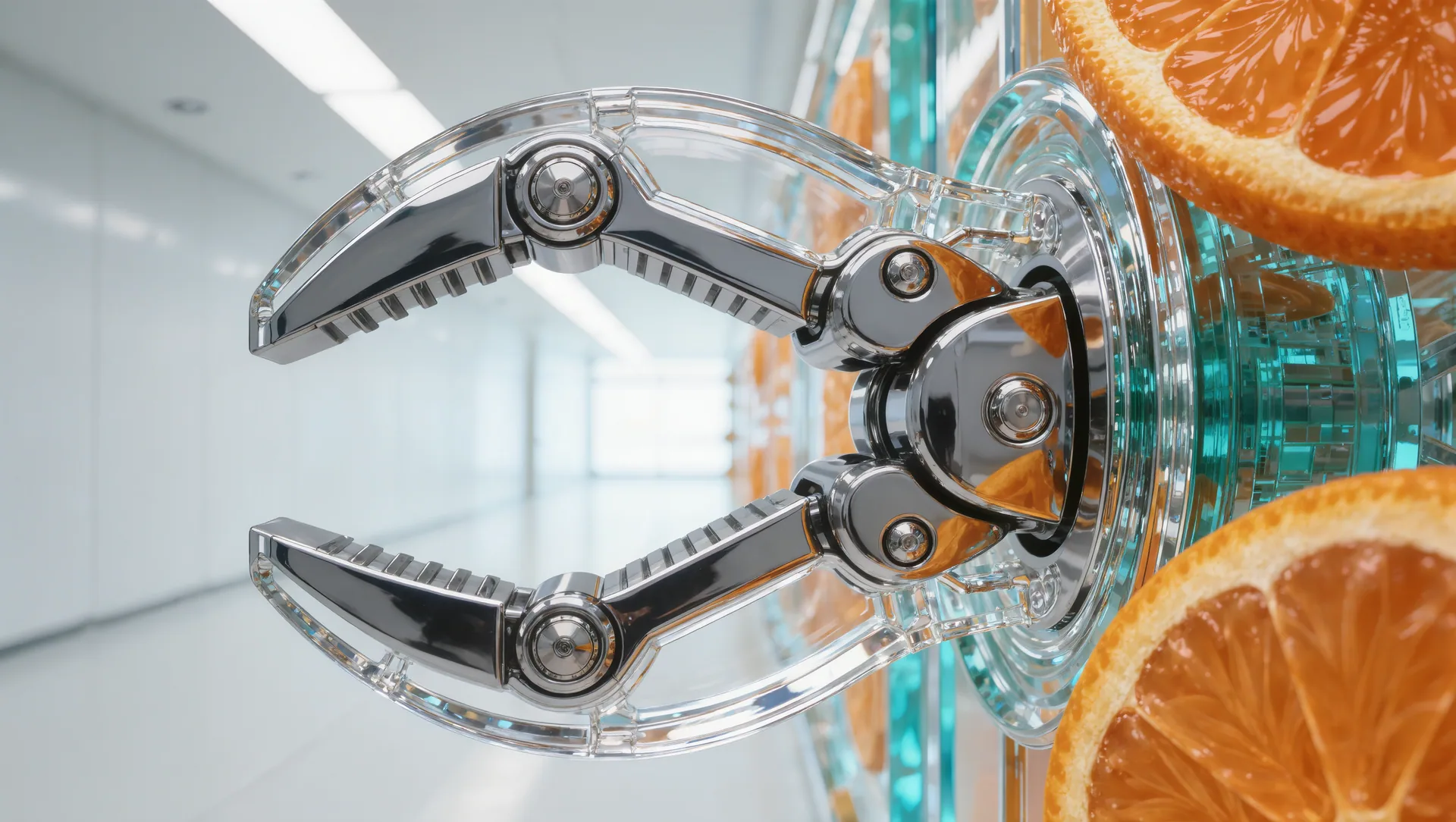
Robotic object recognition is a computer vision technology that allows machines to detect, identify, and classify objects in their surroundings using sensors and computational algorithms. This technology combines hardware components such as cameras, LiDAR, and depth sensors with software systems that process visual data through machine learning models, particularly deep neural networks. The technology operates by capturing visual information from the environment, processing this data through trained algorithms, and generating classifications or identifications of detected objects.
Modern systems typically employ convolutional neural networks (CNNs) and other deep learning architectures that have been trained on large datasets to recognize patterns and features associated with different object categories. Current applications of robotic object recognition span multiple industries. In manufacturing, automated systems use this technology for quality control, parts sorting, and assembly line operations.
Autonomous vehicles rely on object recognition to identify pedestrians, other vehicles, traffic signs, and road obstacles. In logistics and warehousing, robots equipped with object recognition capabilities perform inventory management and package sorting tasks. Medical robotics applications include surgical assistance systems that can identify anatomical structures and surgical instruments.
The technology continues to advance through improvements in sensor resolution, processing power, and algorithm sophistication. Recent developments include real-time processing capabilities, enhanced accuracy in complex environments, and the ability to recognize objects under varying lighting conditions and orientations. These advancements are expanding the practical applications of robotic object recognition across diverse sectors and enabling more sophisticated autonomous systems.
The journey of robotic object recognition technology began in the mid-20th century with rudimentary image processing techniques. Early systems relied on simple algorithms that could detect basic shapes and colors. However, these systems were limited in their ability to recognize complex objects or adapt to varying conditions.
As computational power increased, researchers began to explore more sophisticated methods, leading to significant advancements in the field. In the 1980s and 1990s, the introduction of machine learning algorithms marked a turning point. These algorithms allowed robots to learn from data, improving their recognition capabilities over time.
The development of computer vision techniques further enhanced object recognition, enabling robots to process images more effectively. Today, the evolution continues with the integration of deep learning and neural networks, which have revolutionized the accuracy and speed of robotic object recognition.
Machine learning plays a crucial role in enhancing robotic object recognition by enabling systems to learn from experience. Through training on large datasets, robots can improve their ability to identify objects in diverse environments. This adaptability is essential for real-world applications where conditions may vary significantly.
For instance, a robot trained to recognize a specific type of fruit can adjust its algorithms to identify the same fruit under different lighting or background conditions. Moreover, machine learning algorithms can classify objects based on features extracted from images. Techniques such as support vector machines (SVM) and decision trees have been widely used in early object recognition systems.
However, as data availability has increased, more complex models have emerged, allowing for higher accuracy rates. The continuous refinement of these algorithms ensures that robotic systems remain at the forefront of object recognition technology.
Deep learning has emerged as a game-changer in robotic object recognition, primarily due to its ability to process vast amounts of data through neural networks. These networks consist of multiple layers that can automatically extract features from raw data, significantly reducing the need for manual feature engineering. This capability allows robots to recognize objects with remarkable accuracy, even in challenging conditions. They excel at identifying patterns and features within images, making them ideal for object recognition applications. By training CNNs on extensive datasets, robots can achieve state-of-the-art performance in recognizing a wide range of objects.
The success of deep learning in this domain has led to its widespread adoption across various industries, further driving advancements in robotic object recognition.
Recent advancements in 3D object recognition have opened new avenues for robotic applications. Traditional 2D recognition methods often struggle with depth perception and spatial awareness. However, 3D recognition technologies utilize depth sensors and LiDAR systems to create detailed representations of objects in three-dimensional space.
This capability allows robots to understand not only what an object is but also its size, shape, and orientation. 3D object recognition is particularly beneficial in fields such as autonomous driving and robotics for warehouse automation. For instance, self-driving cars rely on 3D recognition to navigate complex environments safely.
Similarly, robots in warehouses can efficiently pick and place items by accurately assessing their spatial relationships. As 3D recognition technology continues to evolve, it promises to enhance the capabilities of robotic systems across various sectors.
Robotic object recognition has found applications across numerous industries, revolutionizing processes and improving efficiency. In manufacturing, robots equipped with object recognition capabilities can automate assembly lines by identifying components and ensuring quality control. This automation reduces human error and increases production speed.
In healthcare, robotic systems assist surgeons by recognizing instruments and anatomical structures during procedures. This precision enhances surgical outcomes and minimizes risks associated with human error. Additionally, in retail, robots equipped with object recognition can manage inventory by identifying products on shelves and alerting staff when restocking is needed.
The logistics sector also benefits significantly from robotic object recognition. Automated guided vehicles (AGVs) use this technology to navigate warehouses and transport goods efficiently. By recognizing obstacles and optimizing routes, these systems enhance operational efficiency and reduce costs.
Despite its advancements, robotic object recognition faces several challenges and limitations that must be addressed for broader adoption. One significant challenge is the variability of real-world environments. Factors such as lighting conditions, occlusions, and background clutter can hinder a robot's ability to accurately recognize objects.
Additionally, the reliance on large datasets for training poses another limitation. Collecting and annotating sufficient data can be time-consuming and costly. Furthermore, biases present in training data can lead to skewed recognition results, impacting the reliability of robotic systems. High-performance hardware is often necessary to process data quickly enough for real-time applications. As a result, organizations may face barriers related to cost and accessibility when implementing these technologies.
The integration of robotic object recognition with autonomous systems is a critical step toward achieving fully autonomous operations. By combining these technologies, robots can navigate their environments more effectively while making informed decisions based on their surroundings. For instance, autonomous vehicles rely heavily on object recognition to identify pedestrians, traffic signs, and other vehicles on the road.
This integration allows them to respond appropriately to dynamic situations, enhancing safety for both passengers and pedestrians. In industrial settings, autonomous robots equipped with object recognition can perform complex tasks such as sorting packages or assembling products without human intervention. This synergy between recognition and autonomy streamlines operations and reduces labor costs while increasing productivity.
The future of robotic object recognition is poised for exciting developments driven by ongoing research and technological advancements. One emerging trend is the use of edge computing, which allows data processing to occur closer to the source rather than relying solely on cloud-based solutions. This shift can enhance real-time decision-making capabilities while reducing latency.
Another trend is the increasing focus on explainable AI (XAI) within object recognition systems. As robots become more integrated into critical applications, understanding their decision-making processes becomes essential for building trust among users. Furthermore, advancements in sensor technology will continue to improve the accuracy and reliability of object recognition systems.
The integration of multispectral sensors will enable robots to recognize objects under various conditions, further expanding their applicability across industries.
As robotic object recognition technology advances, ethical and privacy considerations become increasingly important. The deployment of surveillance systems equipped with object recognition capabilities raises concerns about individual privacy rights and data security. Organizations must navigate the ethical implications of using such technologies while ensuring compliance with regulations governing data protection.
Transparency in how data is collected and used is essential for building trust among users and stakeholders. Moreover, addressing biases within training datasets is crucial for ensuring fair outcomes in object recognition applications. Developers must prioritize diversity in data collection to mitigate potential discrimination against certain groups or individuals.
In conclusion, advancements in robotic object recognition have significantly impacted various industries by enhancing efficiency, accuracy, and safety. From manufacturing to healthcare and logistics, this technology continues to transform how we interact with machines and automate processes. As we look toward the future, ongoing research will drive further innovations in this field.
By addressing challenges related to variability, data collection, and ethical considerations, we can unlock the full potential of robotic object recognition technology. The integration of this technology with autonomous systems promises a future where robots seamlessly operate alongside humans, improving productivity while maintaining safety standards. Embracing these advancements will be crucial for organizations seeking to remain competitive in an increasingly automated world.
Modern systems typically employ convolutional neural networks (CNNs) and other deep learning architectures that have been trained on large datasets to recognize patterns and features associated with different object categories. Current applications of robotic object recognition span multiple industries. In manufacturing, automated systems use this technology for quality control, parts sorting, and assembly line operations.
Autonomous vehicles rely on object recognition to identify pedestrians, other vehicles, traffic signs, and road obstacles. In logistics and warehousing, robots equipped with object recognition capabilities perform inventory management and package sorting tasks. Medical robotics applications include surgical assistance systems that can identify anatomical structures and surgical instruments.
The technology continues to advance through improvements in sensor resolution, processing power, and algorithm sophistication. Recent developments include real-time processing capabilities, enhanced accuracy in complex environments, and the ability to recognize objects under varying lighting conditions and orientations. These advancements are expanding the practical applications of robotic object recognition across diverse sectors and enabling more sophisticated autonomous systems.
Key Takeaways
- Robotic object recognition has evolved from basic identification to advanced deep learning and 3D techniques.
- Machine learning and neural networks significantly enhance the accuracy and efficiency of object recognition in robots.
- Industrial applications benefit from robotic object recognition in automation, quality control, and logistics.
- Integration with autonomous systems enables more intelligent and adaptive robotic behaviors.
- Ethical and privacy concerns must be addressed alongside technological advancements to ensure responsible use.
Evolution of Robotic Object Recognition Technology
The journey of robotic object recognition technology began in the mid-20th century with rudimentary image processing techniques. Early systems relied on simple algorithms that could detect basic shapes and colors. However, these systems were limited in their ability to recognize complex objects or adapt to varying conditions.
As computational power increased, researchers began to explore more sophisticated methods, leading to significant advancements in the field. In the 1980s and 1990s, the introduction of machine learning algorithms marked a turning point. These algorithms allowed robots to learn from data, improving their recognition capabilities over time.
The development of computer vision techniques further enhanced object recognition, enabling robots to process images more effectively. Today, the evolution continues with the integration of deep learning and neural networks, which have revolutionized the accuracy and speed of robotic object recognition.
Machine Learning and Robotic Object Recognition
Machine learning plays a crucial role in enhancing robotic object recognition by enabling systems to learn from experience. Through training on large datasets, robots can improve their ability to identify objects in diverse environments. This adaptability is essential for real-world applications where conditions may vary significantly.
For instance, a robot trained to recognize a specific type of fruit can adjust its algorithms to identify the same fruit under different lighting or background conditions. Moreover, machine learning algorithms can classify objects based on features extracted from images. Techniques such as support vector machines (SVM) and decision trees have been widely used in early object recognition systems.
However, as data availability has increased, more complex models have emerged, allowing for higher accuracy rates. The continuous refinement of these algorithms ensures that robotic systems remain at the forefront of object recognition technology.
Deep Learning and Neural Networks in Object Recognition
Deep learning has emerged as a game-changer in robotic object recognition, primarily due to its ability to process vast amounts of data through neural networks. These networks consist of multiple layers that can automatically extract features from raw data, significantly reducing the need for manual feature engineering. This capability allows robots to recognize objects with remarkable accuracy, even in challenging conditions. They excel at identifying patterns and features within images, making them ideal for object recognition applications. By training CNNs on extensive datasets, robots can achieve state-of-the-art performance in recognizing a wide range of objects.
The success of deep learning in this domain has led to its widespread adoption across various industries, further driving advancements in robotic object recognition.
Advancements in 3D Object Recognition
Recent advancements in 3D object recognition have opened new avenues for robotic applications. Traditional 2D recognition methods often struggle with depth perception and spatial awareness. However, 3D recognition technologies utilize depth sensors and LiDAR systems to create detailed representations of objects in three-dimensional space.
This capability allows robots to understand not only what an object is but also its size, shape, and orientation. 3D object recognition is particularly beneficial in fields such as autonomous driving and robotics for warehouse automation. For instance, self-driving cars rely on 3D recognition to navigate complex environments safely.
Similarly, robots in warehouses can efficiently pick and place items by accurately assessing their spatial relationships. As 3D recognition technology continues to evolve, it promises to enhance the capabilities of robotic systems across various sectors.
Application of Robotic Object Recognition in Industries
Robotic object recognition has found applications across numerous industries, revolutionizing processes and improving efficiency. In manufacturing, robots equipped with object recognition capabilities can automate assembly lines by identifying components and ensuring quality control. This automation reduces human error and increases production speed.
In healthcare, robotic systems assist surgeons by recognizing instruments and anatomical structures during procedures. This precision enhances surgical outcomes and minimizes risks associated with human error. Additionally, in retail, robots equipped with object recognition can manage inventory by identifying products on shelves and alerting staff when restocking is needed.
The logistics sector also benefits significantly from robotic object recognition. Automated guided vehicles (AGVs) use this technology to navigate warehouses and transport goods efficiently. By recognizing obstacles and optimizing routes, these systems enhance operational efficiency and reduce costs.
Challenges and Limitations in Robotic Object Recognition
Despite its advancements, robotic object recognition faces several challenges and limitations that must be addressed for broader adoption. One significant challenge is the variability of real-world environments. Factors such as lighting conditions, occlusions, and background clutter can hinder a robot's ability to accurately recognize objects.
Additionally, the reliance on large datasets for training poses another limitation. Collecting and annotating sufficient data can be time-consuming and costly. Furthermore, biases present in training data can lead to skewed recognition results, impacting the reliability of robotic systems. High-performance hardware is often necessary to process data quickly enough for real-time applications. As a result, organizations may face barriers related to cost and accessibility when implementing these technologies.
Integration of Robotic Object Recognition with Autonomous Systems
The integration of robotic object recognition with autonomous systems is a critical step toward achieving fully autonomous operations. By combining these technologies, robots can navigate their environments more effectively while making informed decisions based on their surroundings. For instance, autonomous vehicles rely heavily on object recognition to identify pedestrians, traffic signs, and other vehicles on the road.
This integration allows them to respond appropriately to dynamic situations, enhancing safety for both passengers and pedestrians. In industrial settings, autonomous robots equipped with object recognition can perform complex tasks such as sorting packages or assembling products without human intervention. This synergy between recognition and autonomy streamlines operations and reduces labor costs while increasing productivity.
Future Trends in Robotic Object Recognition
The future of robotic object recognition is poised for exciting developments driven by ongoing research and technological advancements. One emerging trend is the use of edge computing, which allows data processing to occur closer to the source rather than relying solely on cloud-based solutions. This shift can enhance real-time decision-making capabilities while reducing latency.
Another trend is the increasing focus on explainable AI (XAI) within object recognition systems. As robots become more integrated into critical applications, understanding their decision-making processes becomes essential for building trust among users. Furthermore, advancements in sensor technology will continue to improve the accuracy and reliability of object recognition systems.
The integration of multispectral sensors will enable robots to recognize objects under various conditions, further expanding their applicability across industries.
Ethical and Privacy Considerations in Robotic Object Recognition
As robotic object recognition technology advances, ethical and privacy considerations become increasingly important. The deployment of surveillance systems equipped with object recognition capabilities raises concerns about individual privacy rights and data security. Organizations must navigate the ethical implications of using such technologies while ensuring compliance with regulations governing data protection.
Transparency in how data is collected and used is essential for building trust among users and stakeholders. Moreover, addressing biases within training datasets is crucial for ensuring fair outcomes in object recognition applications. Developers must prioritize diversity in data collection to mitigate potential discrimination against certain groups or individuals.
The Impact of Advancements in Robotic Object Recognition
In conclusion, advancements in robotic object recognition have significantly impacted various industries by enhancing efficiency, accuracy, and safety. From manufacturing to healthcare and logistics, this technology continues to transform how we interact with machines and automate processes. As we look toward the future, ongoing research will drive further innovations in this field.
By addressing challenges related to variability, data collection, and ethical considerations, we can unlock the full potential of robotic object recognition technology. The integration of this technology with autonomous systems promises a future where robots seamlessly operate alongside humans, improving productivity while maintaining safety standards. Embracing these advancements will be crucial for organizations seeking to remain competitive in an increasingly automated world.
FAQs
What is robotic object recognition?
Robotic object recognition is the process by which robots identify and classify objects in their environment using sensors, cameras, and algorithms. This capability enables robots to interact effectively with various objects for tasks such as manipulation, navigation, and sorting.How do robots recognize objects?
Robots recognize objects by capturing data through sensors like cameras or LiDAR, then processing this data using computer vision techniques and machine learning algorithms. These methods analyze features such as shape, color, texture, and spatial relationships to identify and classify objects.What technologies are commonly used in robotic object recognition?
Common technologies include deep learning neural networks, convolutional neural networks (CNNs), 3D vision systems, RGB-D cameras, and sensor fusion techniques. These technologies help improve accuracy and robustness in recognizing objects under varying conditions.What are the challenges in robotic object recognition?
Challenges include dealing with occlusions, varying lighting conditions, object deformation, cluttered environments, and recognizing objects in real-time. Additionally, generalizing recognition to new or unseen objects remains a significant hurdle.Where is robotic object recognition applied?
Applications include industrial automation (e.g., assembly lines, quality control), autonomous vehicles, service robots, warehouse management, healthcare (e.g., surgical robots), and assistive technologies for the visually impaired.How does machine learning improve robotic object recognition?
Machine learning enables robots to learn from large datasets, improving their ability to recognize objects accurately and adapt to new environments. Techniques like supervised learning, transfer learning, and reinforcement learning help robots generalize from training data to real-world scenarios.Can robotic object recognition work in real-time?
Yes, with advances in hardware and optimized algorithms, many robotic systems can perform object recognition in real-time, allowing for immediate decision-making and interaction in dynamic environments.What is the difference between 2D and 3D object recognition in robotics?
2D object recognition uses flat images to identify objects based on features like color and texture, while 3D recognition incorporates depth information to understand the shape and spatial orientation of objects, leading to more accurate and robust identification.How do robots handle unknown or new objects?
Robots may use anomaly detection or open-set recognition techniques to identify objects that do not match known categories. Some systems can learn incrementally to recognize new objects over time through additional training or human guidance.What role does sensor fusion play in robotic object recognition?
Sensor fusion combines data from multiple sensors (e.g., cameras, LiDAR, infrared) to create a more comprehensive understanding of the environment, improving the accuracy and reliability of object recognition under diverse conditions.More in
More from Robotic
Robotic · 9 min
Robotic Precision: The Future of Automation
Robotic precision refers to the ability of automated systems to perform tasks with extremely high accuracy and repeatability. Modern industrial robots…

Robotic · 8 min
Advancements in Robotic Motion Control
Robotic motion control is a fundamental technology in modern automation systems that enables robots to execute precise movements through sophisticated…
Robotic · 9 min
Efficient Robotic Path Planning for Improved Navigation
Robotic path planning constitutes a fundamental component of robotics engineering that focuses on calculating optimal trajectories for robots to move …