Robotic · Robotic
Advancements in Robotic Learning Systems
Robotic learning systems combine robotics and artificial intelligence technologies to enable machines to acquire knowledge through environmental interaction and experience. These s…

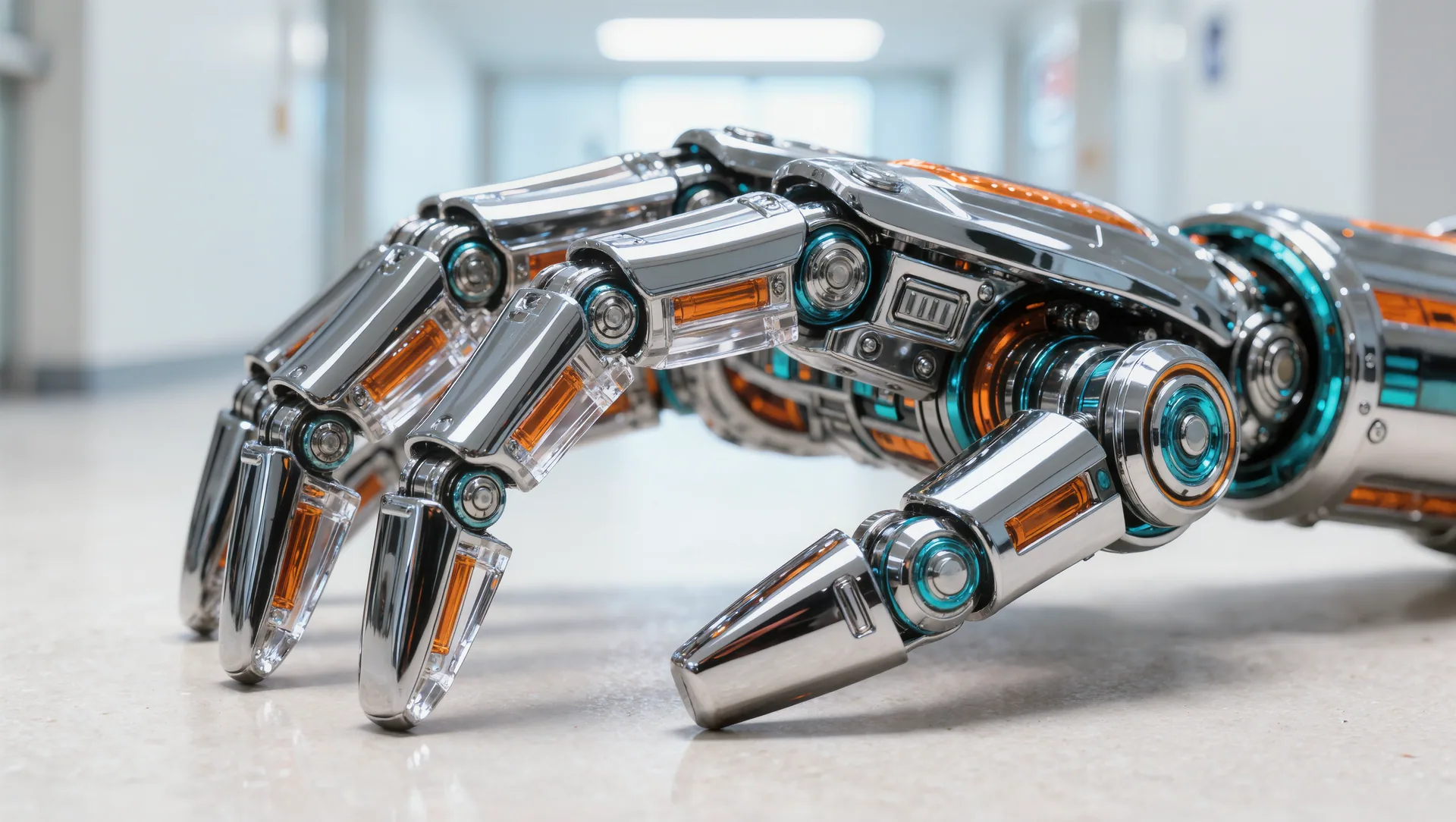
Robotic learning systems combine robotics and artificial intelligence technologies to enable machines to acquire knowledge through environmental interaction and experience. These systems utilize adaptive algorithms that modify robot behavior based on collected data, allowing performance optimization across diverse applications including manufacturing, healthcare, and logistics. The autonomous learning capability enables robots to execute complex tasks through iterative improvement processes.
Machine learning algorithms process sensory input and operational feedback to refine task execution parameters. This continuous learning mechanism allows robots to handle variable conditions and unexpected scenarios without requiring manual reprogramming. Robotic learning systems provide measurable operational advantages including reduced error rates, enhanced processing speed, and consistent performance in hazardous environments.
These systems employ neural networks, reinforcement learning, and computer vision algorithms to process large datasets, identify operational patterns, and execute decision-making protocols. The integration of these technologies enables automated process optimization and supports the development of novel applications in autonomous navigation, precision assembly, and predictive maintenance.
The journey of robotic learning systems began in the mid-20th century when early robots were primarily programmed for specific tasks. These initial machines lacked the ability to learn or adapt, relying heavily on pre-defined instructions. However, as technology advanced, researchers began exploring ways to integrate learning capabilities into robotics.
The introduction of artificial intelligence in the 1980s marked a significant turning point, allowing robots to process information and make decisions based on their experiences. In the 1990s, the development of machine learning algorithms further propelled the evolution of robotic learning systems. Researchers began to implement techniques such as reinforcement learning, enabling robots to learn from trial and error.
This shift allowed robots to improve their performance over time, paving the way for more sophisticated applications in various industries. As computational power increased and data became more accessible, the potential for robotic learning systems expanded exponentially.
Artificial intelligence (AI) plays a crucial role in the functionality of robotic learning systems. By incorporating AI algorithms, these systems can analyze data, recognize patterns, and make decisions autonomously. Machine learning, a subset of AI, enables robots to learn from their experiences and adapt their behavior accordingly.
This capability is essential for tasks that require flexibility and responsiveness to changing environments. Moreover, AI enhances the decision-making process within robotic systems. For instance, through deep learning techniques, robots can process visual data from cameras and sensors, allowing them to navigate complex environments or identify objects with remarkable accuracy.
The integration of AI not only improves the efficiency of robotic systems but also expands their applicability across diverse fields, from healthcare to manufacturing.
Robotic learning systems have found applications in numerous sectors, revolutionizing traditional practices and enhancing productivity. In manufacturing, these systems are employed for tasks such as assembly line operations, quality control, and inventory management. By utilizing robotic arms equipped with learning algorithms, manufacturers can optimize production processes and reduce downtime.
In healthcare, robotic learning systems are transforming patient care. Surgical robots equipped with advanced learning capabilities can assist surgeons by providing real-time data analysis during procedures. Additionally, rehabilitation robots can adapt their therapy techniques based on patient progress, ensuring personalized care.
The versatility of robotic learning systems allows them to address specific challenges within each industry effectively.
Recent advancements in machine learning have significantly enhanced the capabilities of robotic learning systems. Techniques such as deep reinforcement learning have enabled robots to learn complex tasks through trial and error without extensive human intervention. This approach allows robots to develop skills in dynamic environments, making them more adaptable and efficient.
Furthermore, the integration of neural networks has improved the ability of robots to process sensory information. By mimicking human cognitive functions, these networks enable robots to recognize objects, understand speech, and even interpret emotions. As machine learning continues to evolve, we can expect even more sophisticated robotic systems capable of performing intricate tasks with minimal supervision.
In the healthcare sector, robotic learning systems are making significant strides in improving patient outcomes and operational efficiency. Surgical robots equipped with advanced algorithms can assist surgeons by providing precise movements and real-time feedback during procedures. This technology not only enhances surgical accuracy but also reduces recovery times for patients.
Additionally, robotic learning systems are being utilized in rehabilitation settings. Robots designed for physical therapy can adapt their exercises based on individual patient progress, ensuring a tailored approach to recovery. By analyzing data from previous sessions, these systems can modify therapy regimens to optimize results.
The integration of robotic learning in healthcare is paving the way for more effective treatments and improved patient experiences.
Manufacturing is one of the primary sectors benefiting from robotic learning systems. These technologies streamline production processes by automating repetitive tasks and enhancing quality control measures. Robots equipped with machine learning algorithms can analyze production data in real-time, identifying inefficiencies and suggesting improvements.
Moreover, collaborative robots (cobots) are becoming increasingly common in manufacturing environments. These robots work alongside human operators, learning from their actions and adapting to their workflows. This collaboration not only boosts productivity but also fosters a safer working environment by taking on hazardous tasks that may pose risks to human workers.
Robotic learning systems are also making waves in the field of education. Educational robots equipped with adaptive learning capabilities can provide personalized instruction to students based on their individual needs and progress. These robots can assess a student's understanding of a subject and adjust their teaching methods accordingly, ensuring a more effective learning experience.
Furthermore, robotics education is becoming an integral part of curricula worldwide. By introducing students to robotic learning systems at an early age, educational institutions are fostering critical thinking and problem-solving skills. This hands-on experience not only prepares students for future careers in technology but also encourages creativity and innovation.
Despite the numerous advantages of robotic learning systems, several challenges and limitations persist. One significant concern is the ethical implications surrounding autonomous decision-making. As robots become more capable of making choices without human intervention, questions arise regarding accountability and responsibility in case of errors or accidents.
Additionally, the reliance on large datasets for training machine learning algorithms poses challenges related to data privacy and security. Ensuring that sensitive information is protected while still allowing for effective training is a delicate balance that must be addressed as robotic learning systems continue to evolve.
The future of robotic learning systems is promising, with several trends poised to shape their development. This convergence will enable robots to gather real-time data from connected devices, enhancing their ability to learn and adapt in dynamic environments.
Another trend is the growing emphasis on human-robot collaboration. As industries recognize the value of combining human intuition with robotic efficiency, we can expect more collaborative robots designed to work alongside humans seamlessly. This partnership will not only enhance productivity but also create safer working conditions across various sectors.
Robotic learning systems are transforming industries and reshaping our daily lives in profound ways. From healthcare advancements that improve patient outcomes to manufacturing processes that enhance efficiency, these technologies are driving innovation across multiple sectors. As we continue to explore the potential of robotic learning systems, it is essential to address the challenges they present while maximizing their benefits.
The impact of these systems on society is undeniable; they hold the promise of improving quality of life while driving economic growth. As we look toward the future, embracing the advancements in robotic learning will be crucial for harnessing their full potential and ensuring a positive trajectory for technological development in our world.
Machine learning algorithms process sensory input and operational feedback to refine task execution parameters. This continuous learning mechanism allows robots to handle variable conditions and unexpected scenarios without requiring manual reprogramming. Robotic learning systems provide measurable operational advantages including reduced error rates, enhanced processing speed, and consistent performance in hazardous environments.
These systems employ neural networks, reinforcement learning, and computer vision algorithms to process large datasets, identify operational patterns, and execute decision-making protocols. The integration of these technologies enables automated process optimization and supports the development of novel applications in autonomous navigation, precision assembly, and predictive maintenance.
Key Takeaways
- Robotic learning systems integrate AI and machine learning to enable robots to adapt and improve tasks autonomously.
- These systems have evolved from basic automation to complex, intelligent machines with applications across healthcare, manufacturing, and education.
- AI plays a crucial role by providing robots with the ability to learn from data, make decisions, and perform tasks with minimal human intervention.
- Despite significant advancements, challenges such as data limitations, ethical concerns, and technical constraints remain.
- Future trends point towards more sophisticated, collaborative, and context-aware robotic learning systems that will profoundly impact society.
History of Robotic Learning Systems
The journey of robotic learning systems began in the mid-20th century when early robots were primarily programmed for specific tasks. These initial machines lacked the ability to learn or adapt, relying heavily on pre-defined instructions. However, as technology advanced, researchers began exploring ways to integrate learning capabilities into robotics.
The introduction of artificial intelligence in the 1980s marked a significant turning point, allowing robots to process information and make decisions based on their experiences. In the 1990s, the development of machine learning algorithms further propelled the evolution of robotic learning systems. Researchers began to implement techniques such as reinforcement learning, enabling robots to learn from trial and error.
This shift allowed robots to improve their performance over time, paving the way for more sophisticated applications in various industries. As computational power increased and data became more accessible, the potential for robotic learning systems expanded exponentially.
The Role of Artificial Intelligence in Robotic Learning
Artificial intelligence (AI) plays a crucial role in the functionality of robotic learning systems. By incorporating AI algorithms, these systems can analyze data, recognize patterns, and make decisions autonomously. Machine learning, a subset of AI, enables robots to learn from their experiences and adapt their behavior accordingly.
This capability is essential for tasks that require flexibility and responsiveness to changing environments. Moreover, AI enhances the decision-making process within robotic systems. For instance, through deep learning techniques, robots can process visual data from cameras and sensors, allowing them to navigate complex environments or identify objects with remarkable accuracy.
The integration of AI not only improves the efficiency of robotic systems but also expands their applicability across diverse fields, from healthcare to manufacturing.
Applications of Robotic Learning Systems
Robotic learning systems have found applications in numerous sectors, revolutionizing traditional practices and enhancing productivity. In manufacturing, these systems are employed for tasks such as assembly line operations, quality control, and inventory management. By utilizing robotic arms equipped with learning algorithms, manufacturers can optimize production processes and reduce downtime.
In healthcare, robotic learning systems are transforming patient care. Surgical robots equipped with advanced learning capabilities can assist surgeons by providing real-time data analysis during procedures. Additionally, rehabilitation robots can adapt their therapy techniques based on patient progress, ensuring personalized care.
The versatility of robotic learning systems allows them to address specific challenges within each industry effectively.
Advancements in Machine Learning for Robotics
Recent advancements in machine learning have significantly enhanced the capabilities of robotic learning systems. Techniques such as deep reinforcement learning have enabled robots to learn complex tasks through trial and error without extensive human intervention. This approach allows robots to develop skills in dynamic environments, making them more adaptable and efficient.
Furthermore, the integration of neural networks has improved the ability of robots to process sensory information. By mimicking human cognitive functions, these networks enable robots to recognize objects, understand speech, and even interpret emotions. As machine learning continues to evolve, we can expect even more sophisticated robotic systems capable of performing intricate tasks with minimal supervision.
Robotic Learning in Healthcare
In the healthcare sector, robotic learning systems are making significant strides in improving patient outcomes and operational efficiency. Surgical robots equipped with advanced algorithms can assist surgeons by providing precise movements and real-time feedback during procedures. This technology not only enhances surgical accuracy but also reduces recovery times for patients.
Additionally, robotic learning systems are being utilized in rehabilitation settings. Robots designed for physical therapy can adapt their exercises based on individual patient progress, ensuring a tailored approach to recovery. By analyzing data from previous sessions, these systems can modify therapy regimens to optimize results.
The integration of robotic learning in healthcare is paving the way for more effective treatments and improved patient experiences.
Robotic Learning in Manufacturing
Manufacturing is one of the primary sectors benefiting from robotic learning systems. These technologies streamline production processes by automating repetitive tasks and enhancing quality control measures. Robots equipped with machine learning algorithms can analyze production data in real-time, identifying inefficiencies and suggesting improvements.
Moreover, collaborative robots (cobots) are becoming increasingly common in manufacturing environments. These robots work alongside human operators, learning from their actions and adapting to their workflows. This collaboration not only boosts productivity but also fosters a safer working environment by taking on hazardous tasks that may pose risks to human workers.
Robotic Learning in Education
Robotic learning systems are also making waves in the field of education. Educational robots equipped with adaptive learning capabilities can provide personalized instruction to students based on their individual needs and progress. These robots can assess a student's understanding of a subject and adjust their teaching methods accordingly, ensuring a more effective learning experience.
Furthermore, robotics education is becoming an integral part of curricula worldwide. By introducing students to robotic learning systems at an early age, educational institutions are fostering critical thinking and problem-solving skills. This hands-on experience not only prepares students for future careers in technology but also encourages creativity and innovation.
Challenges and Limitations of Robotic Learning Systems
Despite the numerous advantages of robotic learning systems, several challenges and limitations persist. One significant concern is the ethical implications surrounding autonomous decision-making. As robots become more capable of making choices without human intervention, questions arise regarding accountability and responsibility in case of errors or accidents.
Additionally, the reliance on large datasets for training machine learning algorithms poses challenges related to data privacy and security. Ensuring that sensitive information is protected while still allowing for effective training is a delicate balance that must be addressed as robotic learning systems continue to evolve.
Future Trends in Robotic Learning Systems
The future of robotic learning systems is promising, with several trends poised to shape their development. This convergence will enable robots to gather real-time data from connected devices, enhancing their ability to learn and adapt in dynamic environments.
Another trend is the growing emphasis on human-robot collaboration. As industries recognize the value of combining human intuition with robotic efficiency, we can expect more collaborative robots designed to work alongside humans seamlessly. This partnership will not only enhance productivity but also create safer working conditions across various sectors.
The Impact of Robotic Learning Systems on Society
Robotic learning systems are transforming industries and reshaping our daily lives in profound ways. From healthcare advancements that improve patient outcomes to manufacturing processes that enhance efficiency, these technologies are driving innovation across multiple sectors. As we continue to explore the potential of robotic learning systems, it is essential to address the challenges they present while maximizing their benefits.
The impact of these systems on society is undeniable; they hold the promise of improving quality of life while driving economic growth. As we look toward the future, embracing the advancements in robotic learning will be crucial for harnessing their full potential and ensuring a positive trajectory for technological development in our world.
FAQs
What are robotic learning systems?
Robotic learning systems are technologies that enable robots to acquire new skills and knowledge through various learning methods such as machine learning, reinforcement learning, and imitation learning. These systems allow robots to adapt to new tasks and environments without explicit programming for each scenario.How do robotic learning systems work?
Robotic learning systems typically work by collecting data from sensors and the environment, processing this data using algorithms, and updating the robot's behavior based on feedback. Techniques like trial-and-error, supervised learning, and unsupervised learning help robots improve their performance over time.What are the main types of learning used in robotic systems?
The main types of learning in robotic systems include supervised learning, where robots learn from labeled data; reinforcement learning, where robots learn through rewards and penalties; and imitation learning, where robots learn by observing human actions.What are the applications of robotic learning systems?
Robotic learning systems are used in various fields such as manufacturing, healthcare, autonomous vehicles, service robots, and research. They help robots perform complex tasks like object manipulation, navigation, and human-robot interaction more effectively.What are the challenges faced by robotic learning systems?
Challenges include dealing with high-dimensional data, ensuring safety during learning, transferring learned skills to new tasks, handling dynamic environments, and requiring large amounts of training data and computational resources.How do robotic learning systems improve over time?
These systems improve by continuously updating their models based on new data and experiences. Through iterative learning processes, robots refine their decision-making and adapt to changes in their environment or task requirements.Are robotic learning systems autonomous?
Robotic learning systems can operate autonomously to varying degrees depending on their design and application. Some systems require human supervision or intervention, while others can learn and make decisions independently in real-time.What role does artificial intelligence play in robotic learning systems?
Artificial intelligence provides the algorithms and computational frameworks that enable robots to learn from data, recognize patterns, make decisions, and improve their performance without explicit programming for every task.Can robotic learning systems learn from human demonstrations?
Yes, many robotic learning systems use imitation learning or learning from demonstration, where robots observe and replicate human actions to acquire new skills efficiently.What is the future outlook for robotic learning systems?
The future of robotic learning systems includes advancements in more efficient learning algorithms, better generalization across tasks, improved human-robot collaboration, and wider adoption in everyday applications, leading to more intelligent and adaptable robots.More in
More from Robotic
Robotic · 9 min
Robotic Precision: The Future of Automation
Robotic precision refers to the ability of automated systems to perform tasks with extremely high accuracy and repeatability. Modern industrial robots…

Robotic · 8 min
Advancements in Robotic Motion Control
Robotic motion control is a fundamental technology in modern automation systems that enables robots to execute precise movements through sophisticated…

Robotic · 9 min
Efficient Robotic Path Planning for Improved Navigation
Robotic path planning constitutes a fundamental component of robotics engineering that focuses on calculating optimal trajectories for robots to move …