
Factory Robot Payback Depends on Shifts, Uptime and Changeovers
A robot quote shows the price of the hardware. Whether the investment pays back depends on figures it rarely mentions: how many shifts the cell runs, how often it stops and how long product changes take.

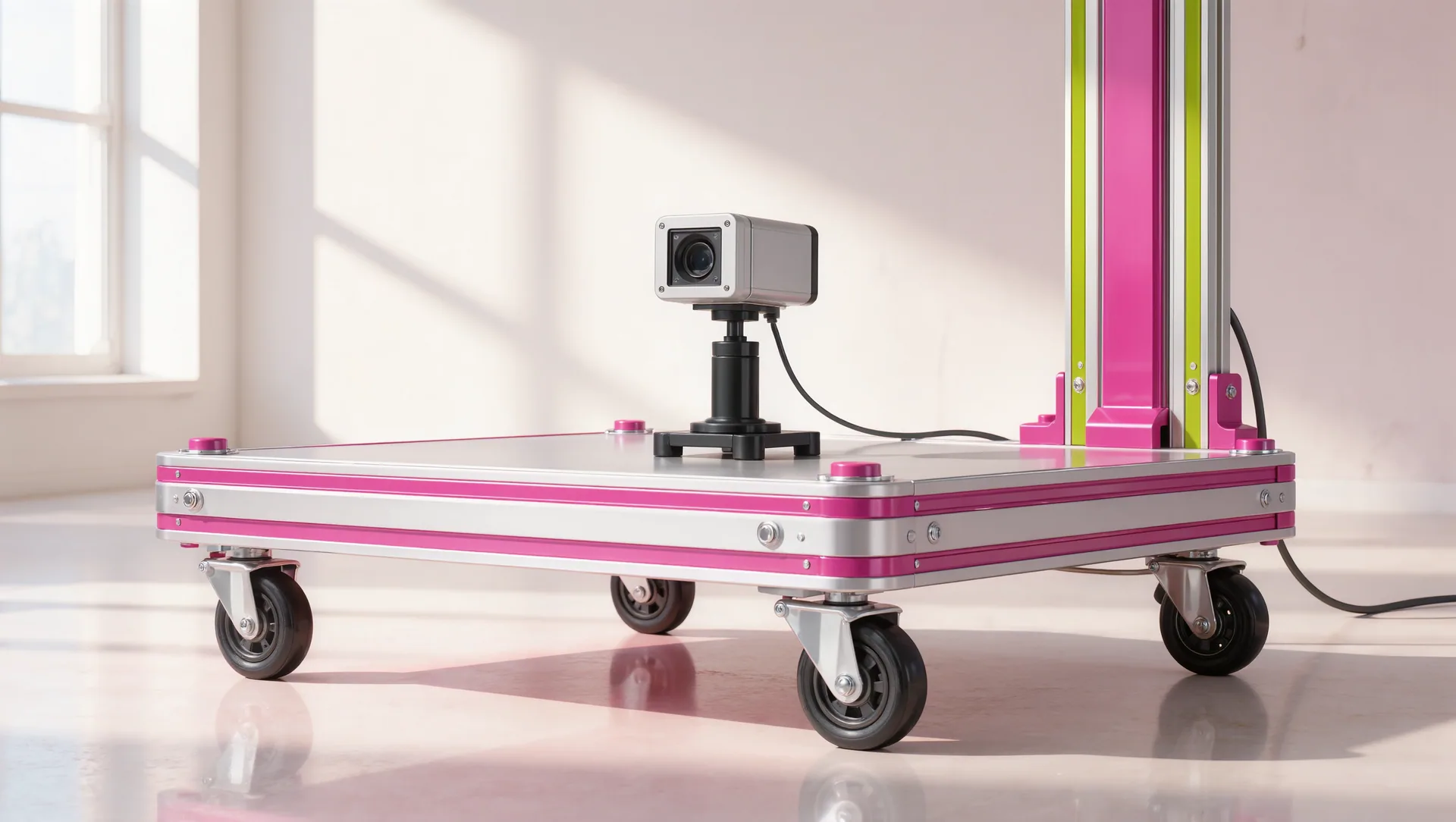
Every robot project in manufacturing ends up as a spreadsheet. Someone multiplies the hourly cost of a worker by the hours the robot will save, divides the price of the robot by the result and arrives at a payback period. The figure looks precise. It is often wrong in both directions.
It can be too optimistic because it leaves out costs that appear after the purchase order. It can also be too pessimistic because it ignores benefits that are hard to price, such as a job nobody wants to do anymore or a defect rate that finally stops fluctuating.
For a midsize manufacturer, getting this calculation right matters more than picking the perfect robot model. The arm is rarely what decides success. The assumptions behind the business case usually are.
What the investment really includes
The robot itself is a standard product with a list price. Around it sit the parts that make it useful in one specific plant, and these often add up to more than the arm.
- Integration: engineering, programming, installation and commissioning, usually by an outside integrator.
- Tooling: grippers, fixtures, part feeders and often a vision system, designed for the parts being handled.
- Safety: guarding, light curtains or scanners, a risk assessment and the documentation that goes with it.
- Plant changes: floor space, power, compressed air, network connections and sometimes a new layout for the line.
- People: training for operators and maintenance staff, plus the hours internal engineers spend on the project.
- Running costs: spare parts, service contracts, software licenses and wear items such as gripper fingers and cables.
A quote that covers only the first two lines will look attractive and age badly. It helps to ask integrators to price the complete cell, including safety and acceptance testing, and to add internal costs separately.
Shifts change the whole calculation
A robot costs roughly the same whether it runs eight hours a day or twenty. The savings, however, grow with every hour of use. A cell that takes over work across three shifts can pay back much faster than the same cell used on one.
This is why many first projects target bottlenecks that already run around the clock, or tasks where a second shift was hard to staff. It is also why plans to run a cell unattended at night deserve scrutiny. Unattended running needs enough parts buffered at the input, room for finished parts at the output and a process stable enough to run for hours without a person nearby.
If any of those conditions fails, the night shift turns into a night of waiting for the morning crew to clear a fault.
Uptime is lower than the brochure says
Proposals often assume the robot works almost all the time it is scheduled. Real cells stop for many reasons, and most have little to do with the robot. A part arrives misaligned, a feeder jams, a sensor gets dirty or the upstream machine runs out of material.
Overall equipment effectiveness, a common measure that combines availability, speed and quality, tends to reveal the gap. Plants that track it before the project know how stable the process is today. A process that stops often while people do the work will not become stable just because a robot takes over.
A sensible business case uses a conservative uptime figure, based on comparable cells in the same plant if they exist. It also plans for a ramp-up period, because new cells rarely reach their target in the first weeks.
Changeovers and product variety
Every time a cell switches to a different product, it may need new gripper fingers, another fixture, adjusted programs and a test run. If that takes an hour and happens twice a shift, a large share of the productive time disappears.
Production plans are the honest source here. Counting how many variants the cell will really handle, and how often the schedule switches between them, gives a better figure than the hope that batches will grow. Quick-change tooling and stored programs can shorten changeovers, but they add cost that belongs in the case.
A robot business case is only as good as its most boring assumption, usually the one about how often the cell stops.
Products also change over the life of a cell. A part redesign two years in can require new tooling and programming. Planning for at least one such change keeps the payback estimate realistic.
Benefits that are hard to price
Not every gain shows up as saved labor hours. Robots deliver steady cycle times, which makes planning easier. They repeat welds, glue beads and placements consistently, which can cut scrap and rework. They take over lifting, heat and fumes, which reduces strain on workers.
Labor availability is often the strongest argument. Many plants struggle to fill repetitive jobs at all, especially on night shifts. In that case the real comparison is not robot versus worker, but robot versus a machine standing idle for lack of staff.
These benefits are real, but they invite inflation. It is better to describe them plainly or give cautious ranges than to assign confident figures that nobody can verify later.
Testing the case before signing
Before a final order, a few checks make the numbers more trustworthy. Run trials with real parts, including the worst ones the plant receives from its suppliers. Agree on acceptance criteria with the integrator, such as cycle time and fault rate over a full production run. Ask in writing what happens if those criteria are missed.
Financing deserves a look as well. Leasing and rental models spread the cost and lower the upfront risk, but they should be compared with a purchase over the same period and with the same integration costs included.
After launch, compare the actual figures with the business case every few months. That review makes the next robot project easier to plan. It also shows management that automation decisions rest on evidence rather than hope.
Questions and answers
What payback period is typical for a factory robot?
There is no reliable general figure, because it depends on shifts, uptime, labor costs and the complexity of the cell. Simple, high-volume applications running several shifts tend to pay back fastest. Cells with many variants or one-shift operation take considerably longer.
Is a collaborative robot the cheaper option?
The arm itself is often less expensive, and simple cobot applications may need less guarding. However, cobots usually run slower and carry lighter loads, and they still need a risk assessment. For some tasks, the lower speed cuts the savings enough to offset the lower price.
Should the business case include fewer injuries?
Yes, but carefully. Less heavy lifting and less exposure to heat or fumes are real benefits that matter to staff and insurers. Describing them qualitatively or with cautious ranges is more credible than precise savings.
Can a robot be leased instead of bought?
Many suppliers and financing partners offer leasing or rental, including some models where payment depends on usage. These lower the upfront risk. Integration, tooling and training costs usually remain and should be compared on the same basis.
Who should build the business case?
Production, maintenance, quality and finance should all contribute. Production knows the shift patterns and changeovers, maintenance knows the real uptime and finance checks the assumptions. A case built by one department alone tends to miss costs the others would have seen.
More from Robotics
All 115 stories
Robotics4 min read
Which Tasks AI Robots Take On First and Which They Leave Alone
AI robots are spreading task by task, not industry by industry. A few traits decide where they arrive first: varied objects, forgiving mistakes, moderate speed and a…
Robotics4 min read
Bionic Robots in Industry: Copying Nature Where It Pays
Fish fins, octopus arms and human muscles have inspired grippers, exoskeletons and flexible robot joints. The useful bionic ideas in industry tend to be small and…
Robotics4 min read
Industrial Robots in Manufacturing: The Arm Is the Easy Part
A robot arm is a catalog product. Grippers, part feeding, safety systems and programming are not, and they decide whether a robot cell runs for years or stands idle…