Which Tasks AI Robots Take On First and Which They Leave Alone
AI robots are spreading task by task, not industry by industry. A few traits decide where they arrive first: varied objects, forgiving mistakes, moderate speed and a steady flow of work.

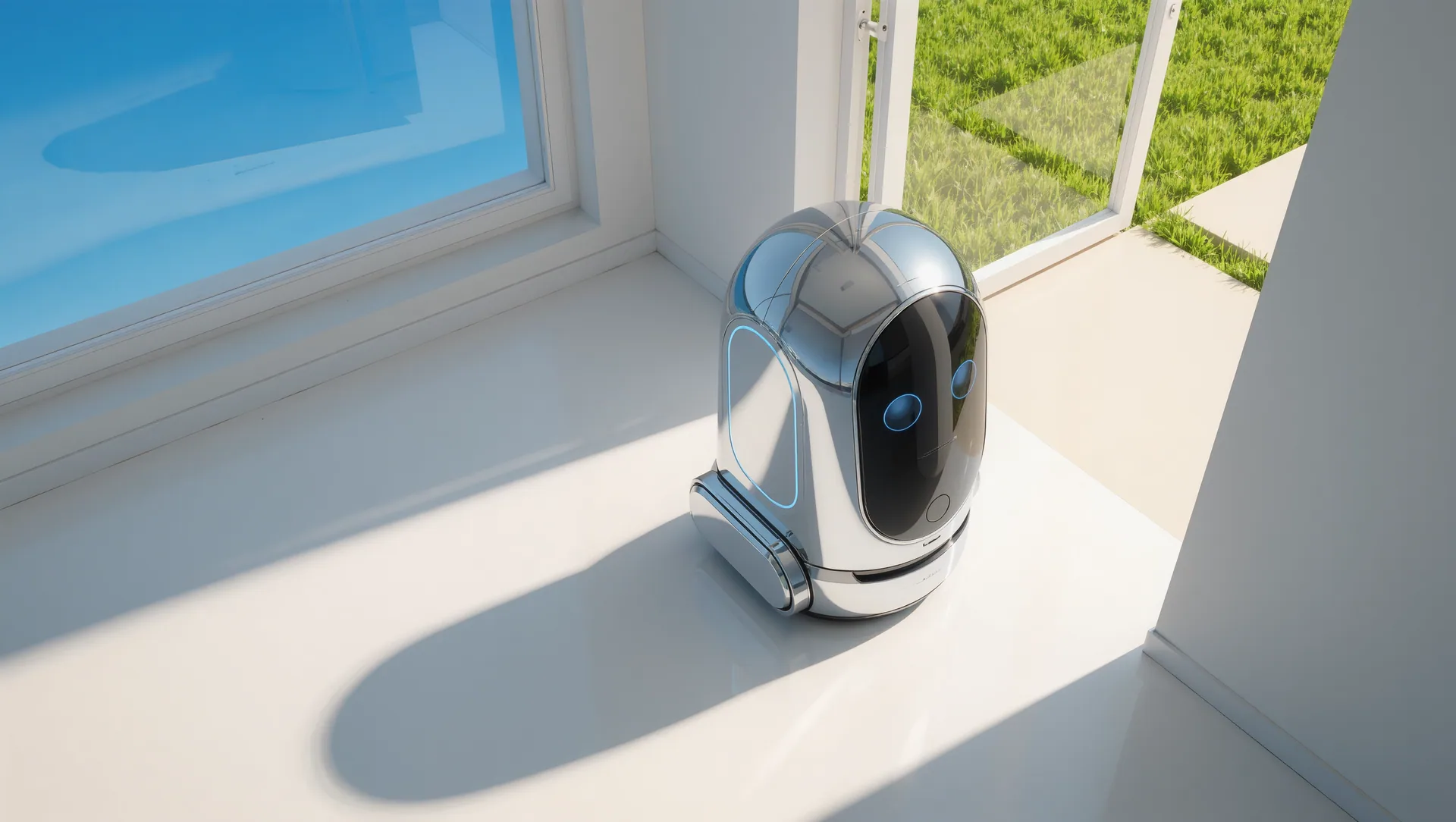
Reports on robots often go industry by industry: robots in farming, robots in hospitals, robots on construction sites. That framing hides a simpler pattern. A robot that picks varied items from a bin does much the same job in a warehouse, a recycling plant or a pharmacy. What matters is the task, not the sector.
Artificial intelligence adds one main ability to a robot: coping with variety. Classic industrial robots repeat precise motions on parts that arrive in the same place every time. AI-based perception lets a machine recognize objects it has not seen in exactly that form, grasp them and move around people. That opens up tasks that used to be out of reach, but only some of them.
This article sorts tasks by the traits that make AI robots work, with examples from several industries. It also looks at the jobs these machines still handle poorly.
Five traits that make a task a good fit
Across many deployments, a few traits keep appearing in tasks where AI robots last beyond the pilot.
- Variety the robot can see: objects differ in shape or position, but a camera can tell them apart.
- Cheap mistakes: a failed grasp can simply be retried, and a wrong sort can be caught later.
- Moderate speed: the task does not demand the cycle times of a dedicated machine.
- Steady volume: there is enough repetitive work to keep the robot busy across shifts.
- Help within reach: a person can step in when the robot gets stuck, on site or remotely.
A task that scores well on all five is a strong candidate. A task that fails on one of them, especially the cost of mistakes, usually needs a different solution or a person.
Picking and sorting: the clearest case
Bin picking and sorting are where AI robots have made the most visible progress. In warehouses, robots pick items of many shapes from totes. In recycling plants, camera systems identify materials on a moving belt, and robots pull out specific items. In parcel hubs, robots separate packages from a jumbled pile.
These tasks fit the profile almost perfectly. Objects vary, but cameras can see them. A missed pick costs a second, not a damaged product. Volume is large and constant. And when a robot cannot decide, the item can pass to a person further down the line.
Rounds, inspection and transport inside buildings
A second group involves moving through a building rather than handling objects. Mobile robots carry supplies, linens or lab samples through hospitals. Robots with cameras and sensors roll or walk through plants to read gauges, check for leaks or spot hot equipment. Floor-cleaning robots in airports and stores follow the same logic.
Here AI handles navigation around people, doors and changing obstacles. The tasks are dull and repetitive, and errors are usually minor. A delivery arrives a few minutes late, or a reading has to be repeated. The hard part is often the building itself, with elevators, narrow corridors and doors that were never designed for machines.
Fields, crops and construction sites
Outdoor work is harder because light, weather and ground change constantly. Still, some tasks fit well. Weeding robots that tell crops from weeds with cameras can remove or spot-treat individual plants. On construction sites, robots mark layout lines on floors or scan progress against building plans.
Harvesting delicate fruit is a tougher case. The robot must find ripe fruit hidden among leaves, grip it without bruising and work fast enough to compete with skilled pickers. Progress is real but slower, because mistakes damage the product and a short season leaves little time to correct course.
Robots go where a mistake costs a second, not where it costs a patient, a crop or a customer.
What AI robots still leave to people
Several kinds of tasks remain largely human. Fine dexterity is one: routing cables, handling soft fabric or assembling small, flexible parts. Robot hands have improved, but human hands still adapt to touch in ways machines rarely match. Rare tasks are another, because a robot needs volume to justify its cost and its training.
High-stakes work forms the third group. In surgery, robotic systems extend a surgeon's precision, but the surgeon controls them. In elder care, robots can help lift or remind, while the care itself depends on human contact. Wherever a single action carries serious risk, AI robots serve as tools under direct human control rather than as independent workers.
Customer-facing roles are a mixed picture. Service robots that guide visitors or bring food to restaurant tables exist, but many have stayed novelties. People tolerate a slow robot in a corridor more easily than one that gets their order wrong.
How to use this lens
For a company considering AI robots, the practical step is to list candidate tasks and rate them against the five traits. That works better than asking what competitors in the same industry bought. A hospital may learn more from a warehouse than from another hospital.
The rating also shows what could change a poor fit into a good one. Presenting parts in a tidier way, accepting a slower cycle or adding a remote helper can move a task over the line. Sometimes a small change to the process does more than a smarter robot.
The coming years will likely widen the range of suitable tasks rather than change the pattern. Better grippers, cheaper sensors and models trained on more varied data will push the line toward more dexterity and more outdoor work. The basic test will stay the same: variety the robot can see, mistakes it can afford and enough work to keep it busy.
Questions and answers
What is the difference between an AI robot and a regular industrial robot?
A regular industrial robot repeats programmed motions on parts that arrive in a known position. An AI robot uses cameras and learned models to recognize objects and adjust its actions. In practice, many systems combine both, with classic control for motion and AI for perception and decisions.
Are AI robots only worthwhile for large companies?
Not necessarily, but they need enough repetitive work to pay off. Smaller firms sometimes rent robots or pay per use, which lowers the entry cost. The profile of the task matters more than the size of the company.
Why are warehouses ahead of other sectors?
Warehouse picking combines high volume, varied items and mistakes that are easy to correct. The environment is indoors and controlled, and it is often redesigned around automation anyway. That makes it an ideal proving ground for AI-based handling.
Do AI robots need a constant internet connection?
Many run perception and control on local computers, because delays would be slow or unsafe. Cloud connections are often used for updates, fleet monitoring and remote help. A well-designed robot stops safely if the connection drops.
How long does it take to deploy an AI robot for a new task?
It ranges from weeks for standard tasks with packaged products to many months for unusual ones. The time goes into integration, safety reviews, testing with real items and training staff. Pilots in real conditions reveal problems that lab tests miss.
More from Robotics
All 115 stories
Robotics4 min read
Bionic Robots in Industry: Copying Nature Where It Pays
Fish fins, octopus arms and human muscles have inspired grippers, exoskeletons and flexible robot joints. The useful bionic ideas in industry tend to be small and…
Robotics4 min read
Industrial Robots in Manufacturing: The Arm Is the Easy Part
A robot arm is a catalog product. Grippers, part feeding, safety systems and programming are not, and they decide whether a robot cell runs for years or stands idle…

Robotics5 min read
Robots for Dirty and Dangerous Work: What They Handle Today
Drones inspect power lines, crawlers check tank walls and remote machines break down concrete. Some of the most useful robot innovation happens where people should not…