Automation · Automation
Streamlining Workflows with Office Automation
In today’s fast-paced business environment, office automation has become a crucial component for organizations aiming to enhance productivity and efficiency. Office automatio…

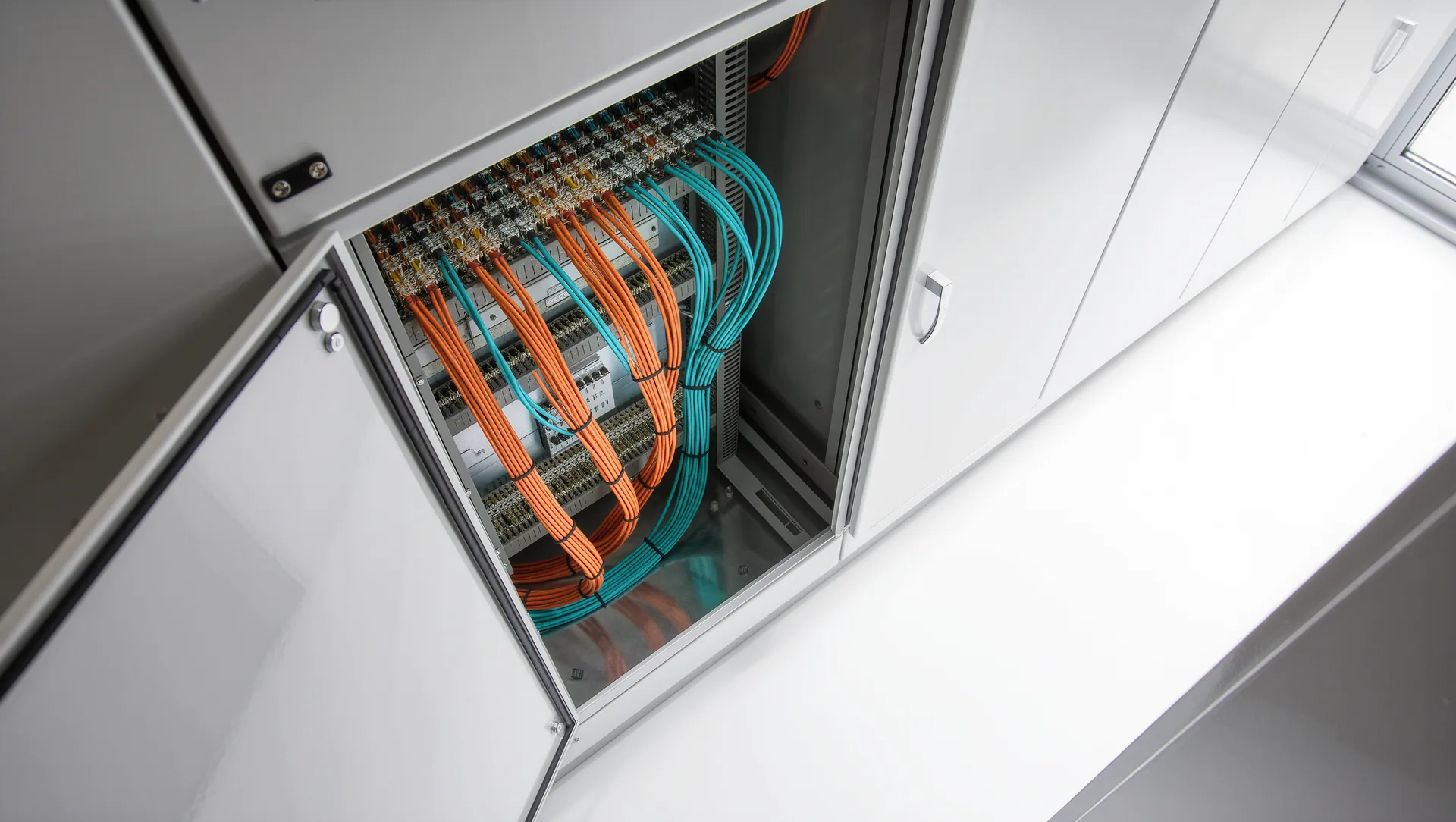
In today's fast-paced business environment, office automation has become a crucial component for organizations aiming to enhance productivity and efficiency. Office automation refers to the use of technology to streamline and automate repetitive tasks, allowing employees to focus on more strategic activities. By integrating various software and hardware solutions, businesses can reduce manual effort, minimize errors, and improve overall workflow. As companies increasingly adopt office automation, they find themselves better equipped to handle the demands of modern work. The benefits extend beyond mere efficiency; they also foster a culture of innovation and adaptability.
In this article, we will explore the various aspects of office automation, including its benefits, tools, implementation strategies, and future trends. By understanding these elements, organizations can maximize their operational efficiency and stay competitive in their respective industries.
Streamlining workflows through office automation offers numerous advantages that can significantly impact an organization’s performance. One of the primary benefits is the reduction of time spent on mundane tasks. By automating repetitive processes such as data entry, invoicing, and scheduling, employees can redirect their efforts toward more value-added activities.
This shift not only enhances productivity but also boosts employee morale, as workers feel more engaged in their roles. Another key benefit is the improvement in accuracy and consistency. Manual processes are prone to human error, which can lead to costly mistakes and inefficiencies.
Office automation minimizes these risks by standardizing procedures and ensuring that tasks are completed correctly every time. Additionally, automated systems can provide real-time data and analytics, enabling organizations to make informed decisions quickly. This data-driven approach enhances strategic planning and helps businesses respond more effectively to market changes.
To fully leverage the advantages of office automation, it is essential to understand the various tools available in the market. Office automation tools can be categorized into several types, including document management systems, workflow automation software, communication platforms, and project management tools. Each of these tools serves a specific purpose and can be integrated into an organization’s existing processes.
Document management systems allow businesses to store, organize, and retrieve documents electronically, reducing the need for physical storage space. Workflow automation software streamlines processes by automating task assignments and approvals, ensuring that work flows smoothly from one stage to the next. Communication platforms facilitate collaboration among team members, regardless of their location, while project management tools help track progress and manage resources effectively.
By selecting the right combination of tools, organizations can create a cohesive office automation strategy that meets their unique needs.
Implementing office automation in daily processes requires careful planning and execution. The first step is to identify the specific tasks that can benefit from automation. This may involve conducting a thorough analysis of existing workflows to pinpoint bottlenecks and inefficiencies.
Once these areas are identified, organizations can prioritize which processes to automate based on their potential impact on productivity and cost savings. After selecting the processes for automation, the next step is to choose the appropriate tools and software solutions. It is crucial to involve key stakeholders in this decision-making process to ensure that the selected tools align with the organization’s goals and user needs.
Once the tools are in place, organizations should develop a clear implementation plan that includes timelines, responsibilities, and training requirements. This structured approach will help ensure a smooth transition to automated processes.
Selecting the right office automation software is critical for achieving desired outcomes. Organizations should begin by assessing their specific needs and objectives. Factors such as scalability, ease of use, integration capabilities, and cost should be considered when evaluating different software options.
It is also beneficial to seek input from employees who will be using the software daily, as their insights can provide valuable information about usability and functionality. Additionally, organizations should look for software that offers robust support and training resources. A vendor that provides comprehensive onboarding assistance can help ensure a successful implementation process.
Furthermore, organizations should consider software that allows for customization and flexibility, enabling them to adapt the solution as their needs evolve over time. By taking these factors into account, businesses can make informed decisions that lead to successful office automation initiatives.
Integrating office automation with existing systems is a vital step in maximizing its effectiveness. Many organizations already have established processes and software in place; therefore, it is essential to ensure that new automation tools work seamlessly with these systems. This integration can help eliminate data silos and improve overall efficiency by allowing information to flow freely between different platforms.
To achieve successful integration, organizations should conduct a thorough assessment of their current systems and identify any potential compatibility issues. Working closely with IT teams or external consultants can facilitate this process. Additionally, organizations should prioritize solutions that offer APIs (Application Programming Interfaces) or other integration capabilities to simplify data exchange between systems.
By ensuring smooth integration, businesses can enhance their operational efficiency and create a more cohesive work environment.
Training employees on office automation is crucial for ensuring successful adoption and maximizing the benefits of new tools. A well-structured training program should be developed to familiarize employees with the features and functionalities of the automation software they will be using. This training should be tailored to different user roles within the organization to address specific needs and use cases.
In addition to initial training sessions, ongoing support should be provided to help employees navigate any challenges they may encounter while using the new tools. Creating a culture of continuous learning can empower employees to embrace office automation fully. Encouraging feedback from users can also help identify areas for improvement in both training programs and software functionality.
By investing in employee training, organizations can foster a more efficient workforce that is well-equipped to leverage office automation effectively.
Measuring the success of office automation initiatives is essential for understanding their impact on organizational performance. Key performance indicators (KPIs) should be established before implementation to provide benchmarks for evaluation. Common KPIs include time savings, cost reductions, error rates, employee satisfaction levels, and overall productivity improvements.
Regularly reviewing these metrics allows organizations to assess whether their office automation efforts are meeting expectations. If certain areas are underperforming, it may be necessary to revisit processes or tools used in those areas. Additionally, gathering feedback from employees can provide valuable insights into how automation has affected their work experience.
By continuously measuring success and making adjustments as needed, organizations can ensure that their office automation initiatives deliver maximum value.
While office automation offers numerous benefits, organizations may encounter challenges during implementation. Resistance to change is one common obstacle; employees may feel apprehensive about adopting new technologies or fear job displacement due to automation. To address this concern, it is essential to communicate the advantages of office automation clearly and involve employees in the decision-making process.
Another challenge is ensuring data security during the transition to automated systems. Organizations must prioritize cybersecurity measures to protect sensitive information from potential breaches. This may involve implementing robust access controls, encryption protocols, and regular security audits.
By proactively addressing these challenges, organizations can create a smoother transition to office automation while fostering trust among employees.
The future of office automation is poised for significant advancements driven by emerging technologies such as artificial intelligence (AI), machine learning (ML), and cloud computing. These innovations will enable even greater levels of efficiency by automating complex tasks that were previously reliant on human intervention. For instance, AI-powered chatbots can handle customer inquiries autonomously while ML algorithms can analyze vast amounts of data for actionable insights.
Additionally, remote work trends are likely to influence office automation strategies as organizations seek solutions that support distributed teams effectively. Cloud-based tools will continue to gain popularity due to their accessibility and scalability, allowing businesses to adapt quickly to changing circumstances. As these trends evolve, organizations must remain agile and open-minded about adopting new technologies that enhance their office automation efforts.
In conclusion, office automation presents a powerful opportunity for organizations looking to maximize efficiency and streamline workflows. As technology continues to advance, staying informed about future trends will further enhance an organization’s ability to adapt and thrive in an increasingly competitive landscape.
By embracing office automation today, companies position themselves for success tomorrow, creating a more efficient workplace that empowers employees and drives innovation forward. If your organization is ready to take the next step toward enhanced productivity through office automation solutions tailored specifically for your needs, contact us today! Let’s work together to transform your operations for a brighter future.
In this article, we will explore the various aspects of office automation, including its benefits, tools, implementation strategies, and future trends. By understanding these elements, organizations can maximize their operational efficiency and stay competitive in their respective industries.
Key Takeaways
- Office automation enhances efficiency by streamlining workflows and reducing manual tasks.
- Selecting and integrating the right automation tools is crucial for seamless daily operations.
- Employee training is essential to maximize the benefits of office automation systems.
- Measuring success helps identify improvements and overcome implementation challenges.
- Staying updated on future trends ensures continued optimization and competitive advantage.
Benefits of Streamlining Workflows
Streamlining workflows through office automation offers numerous advantages that can significantly impact an organization’s performance. One of the primary benefits is the reduction of time spent on mundane tasks. By automating repetitive processes such as data entry, invoicing, and scheduling, employees can redirect their efforts toward more value-added activities.
This shift not only enhances productivity but also boosts employee morale, as workers feel more engaged in their roles. Another key benefit is the improvement in accuracy and consistency. Manual processes are prone to human error, which can lead to costly mistakes and inefficiencies.
Office automation minimizes these risks by standardizing procedures and ensuring that tasks are completed correctly every time. Additionally, automated systems can provide real-time data and analytics, enabling organizations to make informed decisions quickly. This data-driven approach enhances strategic planning and helps businesses respond more effectively to market changes.
Understanding Office Automation Tools
To fully leverage the advantages of office automation, it is essential to understand the various tools available in the market. Office automation tools can be categorized into several types, including document management systems, workflow automation software, communication platforms, and project management tools. Each of these tools serves a specific purpose and can be integrated into an organization’s existing processes.
Document management systems allow businesses to store, organize, and retrieve documents electronically, reducing the need for physical storage space. Workflow automation software streamlines processes by automating task assignments and approvals, ensuring that work flows smoothly from one stage to the next. Communication platforms facilitate collaboration among team members, regardless of their location, while project management tools help track progress and manage resources effectively.
By selecting the right combination of tools, organizations can create a cohesive office automation strategy that meets their unique needs.
Implementing Office Automation in Daily Processes
Implementing office automation in daily processes requires careful planning and execution. The first step is to identify the specific tasks that can benefit from automation. This may involve conducting a thorough analysis of existing workflows to pinpoint bottlenecks and inefficiencies.
Once these areas are identified, organizations can prioritize which processes to automate based on their potential impact on productivity and cost savings. After selecting the processes for automation, the next step is to choose the appropriate tools and software solutions. It is crucial to involve key stakeholders in this decision-making process to ensure that the selected tools align with the organization’s goals and user needs.
Once the tools are in place, organizations should develop a clear implementation plan that includes timelines, responsibilities, and training requirements. This structured approach will help ensure a smooth transition to automated processes.
Choosing the Right Office Automation Software
Selecting the right office automation software is critical for achieving desired outcomes. Organizations should begin by assessing their specific needs and objectives. Factors such as scalability, ease of use, integration capabilities, and cost should be considered when evaluating different software options.
It is also beneficial to seek input from employees who will be using the software daily, as their insights can provide valuable information about usability and functionality. Additionally, organizations should look for software that offers robust support and training resources. A vendor that provides comprehensive onboarding assistance can help ensure a successful implementation process.
Furthermore, organizations should consider software that allows for customization and flexibility, enabling them to adapt the solution as their needs evolve over time. By taking these factors into account, businesses can make informed decisions that lead to successful office automation initiatives.
Integrating Office Automation with Existing Systems
Integrating office automation with existing systems is a vital step in maximizing its effectiveness. Many organizations already have established processes and software in place; therefore, it is essential to ensure that new automation tools work seamlessly with these systems. This integration can help eliminate data silos and improve overall efficiency by allowing information to flow freely between different platforms.
To achieve successful integration, organizations should conduct a thorough assessment of their current systems and identify any potential compatibility issues. Working closely with IT teams or external consultants can facilitate this process. Additionally, organizations should prioritize solutions that offer APIs (Application Programming Interfaces) or other integration capabilities to simplify data exchange between systems.
By ensuring smooth integration, businesses can enhance their operational efficiency and create a more cohesive work environment.
Training Employees on Office Automation
Training employees on office automation is crucial for ensuring successful adoption and maximizing the benefits of new tools. A well-structured training program should be developed to familiarize employees with the features and functionalities of the automation software they will be using. This training should be tailored to different user roles within the organization to address specific needs and use cases.
In addition to initial training sessions, ongoing support should be provided to help employees navigate any challenges they may encounter while using the new tools. Creating a culture of continuous learning can empower employees to embrace office automation fully. Encouraging feedback from users can also help identify areas for improvement in both training programs and software functionality.
By investing in employee training, organizations can foster a more efficient workforce that is well-equipped to leverage office automation effectively.
Measuring the Success of Office Automation
Measuring the success of office automation initiatives is essential for understanding their impact on organizational performance. Key performance indicators (KPIs) should be established before implementation to provide benchmarks for evaluation. Common KPIs include time savings, cost reductions, error rates, employee satisfaction levels, and overall productivity improvements.
Regularly reviewing these metrics allows organizations to assess whether their office automation efforts are meeting expectations. If certain areas are underperforming, it may be necessary to revisit processes or tools used in those areas. Additionally, gathering feedback from employees can provide valuable insights into how automation has affected their work experience.
By continuously measuring success and making adjustments as needed, organizations can ensure that their office automation initiatives deliver maximum value.
Overcoming Challenges in Office Automation
While office automation offers numerous benefits, organizations may encounter challenges during implementation. Resistance to change is one common obstacle; employees may feel apprehensive about adopting new technologies or fear job displacement due to automation. To address this concern, it is essential to communicate the advantages of office automation clearly and involve employees in the decision-making process.
Another challenge is ensuring data security during the transition to automated systems. Organizations must prioritize cybersecurity measures to protect sensitive information from potential breaches. This may involve implementing robust access controls, encryption protocols, and regular security audits.
By proactively addressing these challenges, organizations can create a smoother transition to office automation while fostering trust among employees.
Future Trends in Office Automation
The future of office automation is poised for significant advancements driven by emerging technologies such as artificial intelligence (AI), machine learning (ML), and cloud computing. These innovations will enable even greater levels of efficiency by automating complex tasks that were previously reliant on human intervention. For instance, AI-powered chatbots can handle customer inquiries autonomously while ML algorithms can analyze vast amounts of data for actionable insights.
Additionally, remote work trends are likely to influence office automation strategies as organizations seek solutions that support distributed teams effectively. Cloud-based tools will continue to gain popularity due to their accessibility and scalability, allowing businesses to adapt quickly to changing circumstances. As these trends evolve, organizations must remain agile and open-minded about adopting new technologies that enhance their office automation efforts.
Maximizing Efficiency with Office Automation
In conclusion, office automation presents a powerful opportunity for organizations looking to maximize efficiency and streamline workflows. As technology continues to advance, staying informed about future trends will further enhance an organization’s ability to adapt and thrive in an increasingly competitive landscape.
By embracing office automation today, companies position themselves for success tomorrow, creating a more efficient workplace that empowers employees and drives innovation forward. If your organization is ready to take the next step toward enhanced productivity through office automation solutions tailored specifically for your needs, contact us today! Let’s work together to transform your operations for a brighter future.
FAQs
What is office automation?
Office automation refers to the use of computer systems, software, and other technologies to digitally create, collect, store, manipulate, and relay office information needed for accomplishing basic tasks and goals.What are common examples of office automation tools?
Common office automation tools include word processors, spreadsheets, email systems, databases, scheduling software, and communication platforms like video conferencing tools.How does office automation improve productivity?
Office automation streamlines routine tasks, reduces manual errors, facilitates faster communication, and enables better data management, all of which contribute to increased efficiency and productivity.Is office automation suitable for all types of businesses?
Yes, office automation can be adapted to suit businesses of all sizes and industries, although the specific tools and systems used may vary depending on the organization's needs.What are the benefits of office automation?
Benefits include time savings, cost reduction, improved accuracy, enhanced communication, better data management, and the ability to work remotely or collaboratively.Are there any challenges associated with office automation?
Challenges can include the initial cost of implementation, the need for employee training, potential technical issues, and concerns about data security and privacy.How does office automation impact employees?
Office automation can reduce repetitive tasks, allowing employees to focus on higher-value work, but it may also require them to learn new skills and adapt to new technologies.What role does cloud computing play in office automation?
Cloud computing enables access to office automation tools and data from any location with internet connectivity, facilitating remote work and collaboration.Can office automation help with document management?
Yes, office automation systems often include document management features that allow for easy storage, retrieval, sharing, and version control of digital documents.Is office automation the same as digital transformation?
Office automation is a component of digital transformation focused specifically on automating office tasks, whereas digital transformation encompasses a broader integration of digital technology into all areas of a business.More in
More from Automation

Automation · 8 min
Maximizing Efficiency: The Power of Automation Scalability
Automation scalability refers to the ability of automated systems to grow and adapt in response to increasing demands without compromising performance…

Automation · 7 min
Streamlining Deployment with Automation
In the contemporary digital environment, optimizing deployment processes is essential. Organizations face significant pressure to rapidly deliver soft…

Automation · 8 min
Maximizing Automation ROI: A Strategic Approach
In today’s fast-paced business environment, understanding the importance of Automation ROI (Return on Investment) is crucial for organizations l…