Automation · Automation
Revolutionizing Industries with Advanced Automation
Advanced automation encompasses the deployment of sophisticated technologies including artificial intelligence (AI), robotics, and Internet of Things (IoT) systems across industria…

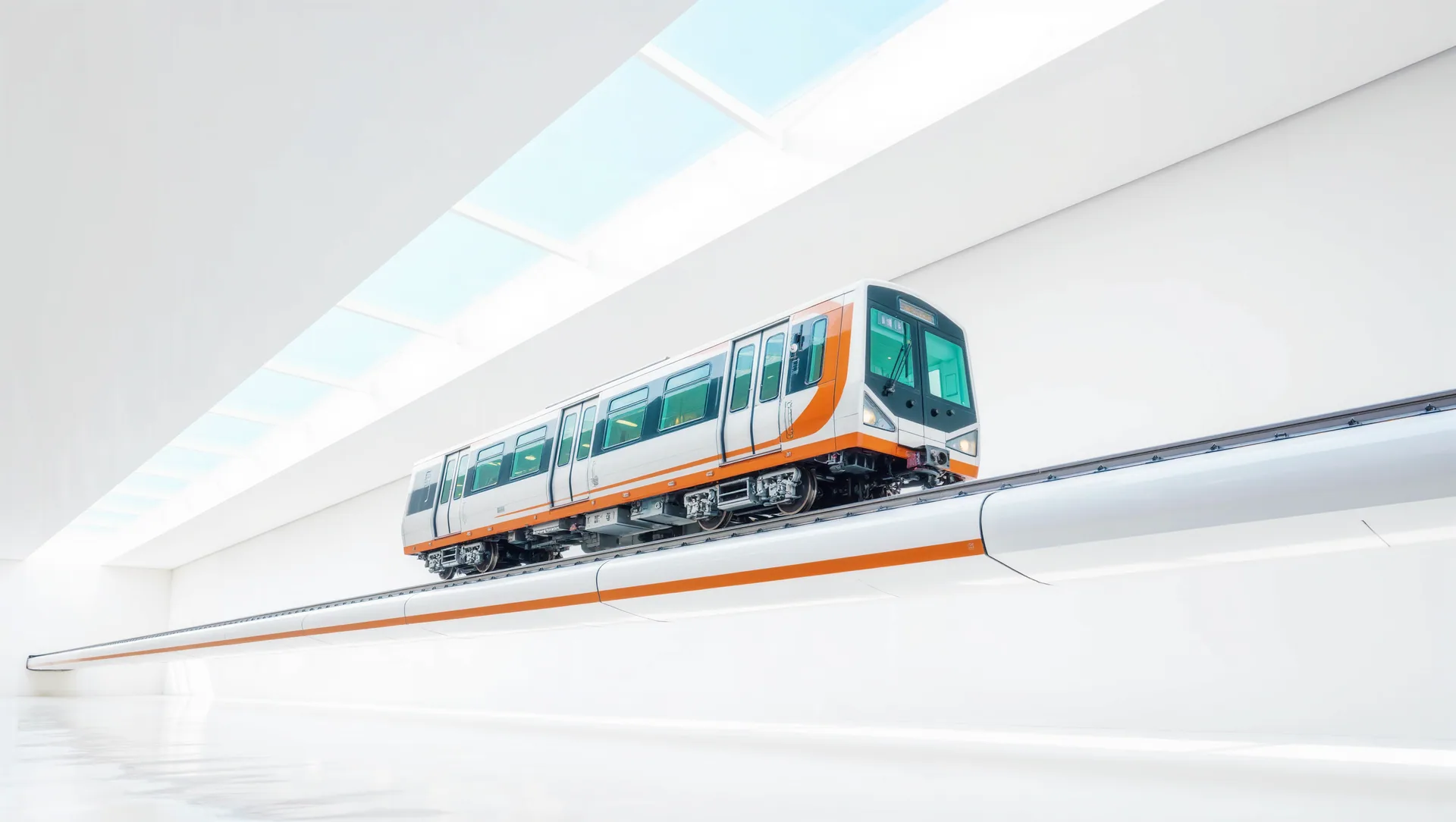
Advanced automation encompasses the deployment of sophisticated technologies including artificial intelligence (AI), robotics, and Internet of Things (IoT) systems across industrial sectors to optimize efficiency, productivity, and precision. This technological integration fundamentally alters operational frameworks, enabling organizations to optimize processes, minimize expenditures, and enhance performance metrics. Industries implementing advanced automation systems experience expanded capacity for innovation and development.
The measurable advantages include improved operational efficiency, enhanced customer service delivery, and reduced error rates. This analysis examines the comprehensive effects of advanced automation across diverse sectors, documenting both its transformative capabilities and associated implementation challenges. Advanced automation represents a structural transformation in industrial operations rather than a temporary technological trend.
Organizations operating in competitive markets increasingly require automation technologies to maintain market position and operational viability. These systems enable workflow optimization, error reduction, and improved resource allocation. Implementation of advanced automation presents specific challenges including system integration complexity, workforce training requirements, and the need for skill development programs to ensure employee adaptation to automated operational environments.
In the manufacturing sector, advanced automation has revolutionized production processes. By incorporating robotics and AI-driven systems, manufacturers can achieve unprecedented levels of precision and efficiency. Automated machinery can operate around the clock, significantly increasing output while reducing labor costs.
This shift allows companies to respond more swiftly to market demands and maintain a competitive edge. Moreover, advanced automation enhances quality control in manufacturing. Automated systems can monitor production lines in real-time, identifying defects and inconsistencies with remarkable accuracy.
This capability not only minimizes waste but also ensures that products meet stringent quality standards. As a result, manufacturers can build stronger reputations for reliability and excellence in their offerings.
The healthcare industry is experiencing a significant transformation due to advanced automation technologies. For instance, robotic-assisted surgeries allow for greater precision and reduced recovery times, leading to improved patient outcomes.
Additionally, automation streamlines administrative tasks within healthcare facilities. Electronic health records (EHR) systems automate data entry and management, freeing up healthcare professionals to focus on patient care rather than paperwork. This shift not only improves efficiency but also enhances the overall patient experience by reducing wait times and increasing access to care.
In agriculture, advanced automation is driving significant improvements in efficiency and sustainability. Precision farming techniques utilize IoT devices and data analytics to optimize crop yields while minimizing resource consumption. Automated irrigation systems, for example, can adjust water usage based on real-time weather data, ensuring that crops receive the right amount of moisture without waste.
Furthermore, advanced automation supports sustainable practices by reducing the need for chemical inputs. Drones equipped with sensors can monitor crop health and identify pest infestations early on, allowing farmers to apply targeted treatments rather than blanket applications. This approach not only protects the environment but also enhances food safety and quality.
Transportation and logistics are undergoing a revolution thanks to advanced automation technologies. Autonomous vehicles are being developed to improve safety and efficiency on the roads. These vehicles can communicate with each other and their surroundings, reducing the likelihood of accidents and optimizing traffic flow.
In logistics, automation streamlines supply chain management by utilizing AI algorithms to predict demand and optimize inventory levels. Automated warehouses equipped with robotics can pick and pack orders with remarkable speed and accuracy, reducing delivery times and enhancing customer satisfaction. As a result, businesses can operate more efficiently while meeting the growing expectations of consumers.
The retail sector is embracing advanced automation to enhance customer experiences and streamline operations. Automated checkout systems allow customers to complete transactions quickly without waiting in long lines. This convenience not only improves customer satisfaction but also reduces labor costs for retailers.
Additionally, AI-driven analytics enable retailers to personalize marketing efforts based on consumer behavior. By analyzing purchasing patterns, businesses can tailor promotions and product recommendations to individual customers, increasing engagement and sales. As retailers continue to adopt advanced automation technologies, they position themselves for success in an increasingly competitive landscape.
In construction and infrastructure development, advanced automation is transforming project management and execution. Drones are being used for site surveys and inspections, providing real-time data that enhances decision-making processes. This technology reduces the time required for manual inspections while improving accuracy.
Moreover, Building Information Modeling (BIM) software automates project planning and design processes. By creating detailed digital representations of structures, construction teams can identify potential issues before they arise, minimizing costly delays and rework. As a result, advanced automation is driving greater efficiency and collaboration within the construction industry.
The energy sector is poised for significant advancements through automation technologies. Smart grids equipped with IoT devices enable real-time monitoring of energy consumption and distribution. This capability allows utility companies to optimize energy usage while reducing waste.
Furthermore, advanced automation supports renewable energy initiatives by improving the efficiency of solar panels and wind turbines. Automated systems can adjust the positioning of solar panels based on sunlight exposure or monitor wind conditions for optimal turbine performance. As the world shifts towards sustainable energy solutions, advanced automation will play a crucial role in achieving these goals.
In financial services, advanced automation is streamlining processes while enhancing security measures. Robotic Process Automation (RPA) is being utilized to automate repetitive tasks such as data entry and transaction processing. This efficiency not only reduces operational costs but also minimizes human error.
Additionally, AI-driven algorithms are improving fraud detection by analyzing transaction patterns in real-time. These systems can identify suspicious activities more effectively than traditional methods, providing an added layer of security for financial institutions and their customers. As the financial sector continues to embrace advanced automation, it will enhance both operational efficiency and customer trust.
While the benefits of advanced automation are clear, organizations face several challenges during implementation. One significant hurdle is the need for skilled labor capable of managing and maintaining automated systems. Companies must invest in training programs to ensure their workforce is equipped with the necessary skills.
Moreover, there are concerns about job displacement as automation replaces certain tasks traditionally performed by humans. However, this shift also presents opportunities for workers to transition into more complex roles that require critical thinking and problem-solving skills. By embracing change and fostering a culture of continuous learning, organizations can navigate these challenges effectively.
Advanced automation holds immense potential to transform industries across the globe. From manufacturing to healthcare, agriculture to finance, its impact is profound and far-reaching. As organizations continue to adopt these technologies, they unlock new levels of efficiency, productivity, and innovation.
The journey toward advanced automation may present challenges; however, the opportunities it creates far outweigh the obstacles. By investing in training and embracing change, businesses can position themselves for success in an increasingly automated world. The future is bright for industries willing to harness the power of advanced automation, transforming not only their operations but also the experiences they provide to customers worldwide.
The measurable advantages include improved operational efficiency, enhanced customer service delivery, and reduced error rates. This analysis examines the comprehensive effects of advanced automation across diverse sectors, documenting both its transformative capabilities and associated implementation challenges. Advanced automation represents a structural transformation in industrial operations rather than a temporary technological trend.
Organizations operating in competitive markets increasingly require automation technologies to maintain market position and operational viability. These systems enable workflow optimization, error reduction, and improved resource allocation. Implementation of advanced automation presents specific challenges including system integration complexity, workforce training requirements, and the need for skill development programs to ensure employee adaptation to automated operational environments.
Key Takeaways
- Advanced automation is transforming multiple industries by increasing efficiency and innovation.
- Manufacturing and healthcare sectors benefit from improved precision and productivity through automation.
- Agriculture and transportation see enhanced sustainability and logistics optimization via automated technologies.
- Retail, construction, energy, and financial services leverage automation to streamline operations and boost security.
- Despite challenges, advanced automation presents significant opportunities for industry-wide transformation.
The Impact of Advanced Automation on Manufacturing
In the manufacturing sector, advanced automation has revolutionized production processes. By incorporating robotics and AI-driven systems, manufacturers can achieve unprecedented levels of precision and efficiency. Automated machinery can operate around the clock, significantly increasing output while reducing labor costs.
This shift allows companies to respond more swiftly to market demands and maintain a competitive edge. Moreover, advanced automation enhances quality control in manufacturing. Automated systems can monitor production lines in real-time, identifying defects and inconsistencies with remarkable accuracy.
This capability not only minimizes waste but also ensures that products meet stringent quality standards. As a result, manufacturers can build stronger reputations for reliability and excellence in their offerings.
How Advanced Automation is Changing the Healthcare Industry
The healthcare industry is experiencing a significant transformation due to advanced automation technologies. For instance, robotic-assisted surgeries allow for greater precision and reduced recovery times, leading to improved patient outcomes.
Additionally, automation streamlines administrative tasks within healthcare facilities. Electronic health records (EHR) systems automate data entry and management, freeing up healthcare professionals to focus on patient care rather than paperwork. This shift not only improves efficiency but also enhances the overall patient experience by reducing wait times and increasing access to care.
Advanced Automation in Agriculture: Improving Efficiency and Sustainability
In agriculture, advanced automation is driving significant improvements in efficiency and sustainability. Precision farming techniques utilize IoT devices and data analytics to optimize crop yields while minimizing resource consumption. Automated irrigation systems, for example, can adjust water usage based on real-time weather data, ensuring that crops receive the right amount of moisture without waste.
Furthermore, advanced automation supports sustainable practices by reducing the need for chemical inputs. Drones equipped with sensors can monitor crop health and identify pest infestations early on, allowing farmers to apply targeted treatments rather than blanket applications. This approach not only protects the environment but also enhances food safety and quality.
The Role of Advanced Automation in Transportation and Logistics
Transportation and logistics are undergoing a revolution thanks to advanced automation technologies. Autonomous vehicles are being developed to improve safety and efficiency on the roads. These vehicles can communicate with each other and their surroundings, reducing the likelihood of accidents and optimizing traffic flow.
In logistics, automation streamlines supply chain management by utilizing AI algorithms to predict demand and optimize inventory levels. Automated warehouses equipped with robotics can pick and pack orders with remarkable speed and accuracy, reducing delivery times and enhancing customer satisfaction. As a result, businesses can operate more efficiently while meeting the growing expectations of consumers.
Revolutionizing Retail with Advanced Automation
The retail sector is embracing advanced automation to enhance customer experiences and streamline operations. Automated checkout systems allow customers to complete transactions quickly without waiting in long lines. This convenience not only improves customer satisfaction but also reduces labor costs for retailers.
Additionally, AI-driven analytics enable retailers to personalize marketing efforts based on consumer behavior. By analyzing purchasing patterns, businesses can tailor promotions and product recommendations to individual customers, increasing engagement and sales. As retailers continue to adopt advanced automation technologies, they position themselves for success in an increasingly competitive landscape.
Advanced Automation in Construction and Infrastructure
In construction and infrastructure development, advanced automation is transforming project management and execution. Drones are being used for site surveys and inspections, providing real-time data that enhances decision-making processes. This technology reduces the time required for manual inspections while improving accuracy.
Moreover, Building Information Modeling (BIM) software automates project planning and design processes. By creating detailed digital representations of structures, construction teams can identify potential issues before they arise, minimizing costly delays and rework. As a result, advanced automation is driving greater efficiency and collaboration within the construction industry.
The Future of Advanced Automation in Energy and Utilities
The energy sector is poised for significant advancements through automation technologies. Smart grids equipped with IoT devices enable real-time monitoring of energy consumption and distribution. This capability allows utility companies to optimize energy usage while reducing waste.
Furthermore, advanced automation supports renewable energy initiatives by improving the efficiency of solar panels and wind turbines. Automated systems can adjust the positioning of solar panels based on sunlight exposure or monitor wind conditions for optimal turbine performance. As the world shifts towards sustainable energy solutions, advanced automation will play a crucial role in achieving these goals.
Advanced Automation in Financial Services: Streamlining Processes and Enhancing Security
In financial services, advanced automation is streamlining processes while enhancing security measures. Robotic Process Automation (RPA) is being utilized to automate repetitive tasks such as data entry and transaction processing. This efficiency not only reduces operational costs but also minimizes human error.
Additionally, AI-driven algorithms are improving fraud detection by analyzing transaction patterns in real-time. These systems can identify suspicious activities more effectively than traditional methods, providing an added layer of security for financial institutions and their customers. As the financial sector continues to embrace advanced automation, it will enhance both operational efficiency and customer trust.
The Challenges and Opportunities of Implementing Advanced Automation
While the benefits of advanced automation are clear, organizations face several challenges during implementation. One significant hurdle is the need for skilled labor capable of managing and maintaining automated systems. Companies must invest in training programs to ensure their workforce is equipped with the necessary skills.
Moreover, there are concerns about job displacement as automation replaces certain tasks traditionally performed by humans. However, this shift also presents opportunities for workers to transition into more complex roles that require critical thinking and problem-solving skills. By embracing change and fostering a culture of continuous learning, organizations can navigate these challenges effectively.
The Potential of Advanced Automation to Transform Industries
Advanced automation holds immense potential to transform industries across the globe. From manufacturing to healthcare, agriculture to finance, its impact is profound and far-reaching. As organizations continue to adopt these technologies, they unlock new levels of efficiency, productivity, and innovation.
The journey toward advanced automation may present challenges; however, the opportunities it creates far outweigh the obstacles. By investing in training and embracing change, businesses can position themselves for success in an increasingly automated world. The future is bright for industries willing to harness the power of advanced automation, transforming not only their operations but also the experiences they provide to customers worldwide.
FAQs
What is industrial automation?
Industrial automation refers to the use of control systems, such as computers or robots, and information technologies to handle different processes and machinery in an industry to replace human intervention.What are the main components of industrial automation?
The main components include sensors, controllers (like PLCs), actuators, human-machine interfaces (HMIs), and communication networks.What industries benefit from industrial automation?
Industries such as manufacturing, automotive, food and beverage, pharmaceuticals, oil and gas, and electronics widely benefit from industrial automation.What are the advantages of industrial automation?
Advantages include increased production speed, improved product quality, enhanced safety, reduced labor costs, and consistent operation.What types of automation systems are commonly used?
Common types include fixed automation, programmable automation, and flexible automation systems.How does industrial automation improve safety?
Automation reduces human involvement in hazardous environments and repetitive tasks, minimizing the risk of accidents and injuries.What role do robots play in industrial automation?
Robots perform tasks such as assembly, welding, painting, and material handling, increasing precision and efficiency.What is a PLC in industrial automation?
A Programmable Logic Controller (PLC) is a rugged digital computer used for automation of electromechanical processes, such as control of machinery on factory assembly lines.How does industrial automation impact employment?
While automation can reduce the need for manual labor in repetitive tasks, it also creates demand for skilled workers to design, maintain, and manage automated systems.What is the difference between industrial automation and process automation?
Industrial automation generally refers to automation in manufacturing and production environments, while process automation focuses on continuous processes like chemical production or oil refining.What technologies are driving the future of industrial automation?
Emerging technologies include artificial intelligence, machine learning, the Internet of Things (IoT), advanced robotics, and cloud computing.How is data used in industrial automation?
Data collected from sensors and machines is analyzed to optimize processes, predict maintenance needs, and improve overall efficiency.What is the role of Human-Machine Interface (HMI) in industrial automation?
HMIs provide operators with a visual interface to monitor and control automated systems, facilitating easier management and troubleshooting.Can industrial automation systems be integrated with existing equipment?
Yes, many automation systems are designed to be compatible with existing machinery, allowing gradual upgrades and integration.What are some challenges associated with industrial automation?
Challenges include high initial investment costs, cybersecurity risks, system complexity, and the need for skilled personnel.More in
More from Automation
Automation · 8 min
Maximizing Efficiency: The Power of Automation Scalability
Automation scalability refers to the ability of automated systems to grow and adapt in response to increasing demands without compromising performance…

Automation · 7 min
Streamlining Deployment with Automation
In the contemporary digital environment, optimizing deployment processes is essential. Organizations face significant pressure to rapidly deliver soft…
Automation · 8 min
Maximizing Automation ROI: A Strategic Approach
In today’s fast-paced business environment, understanding the importance of Automation ROI (Return on Investment) is crucial for organizations l…