Automation · Automation
Maximizing Efficiency with Custom Automation Systems
Custom automation systems are specialized technological solutions designed to address the specific operational requirements of individual businesses. These systems integrate hardwa…

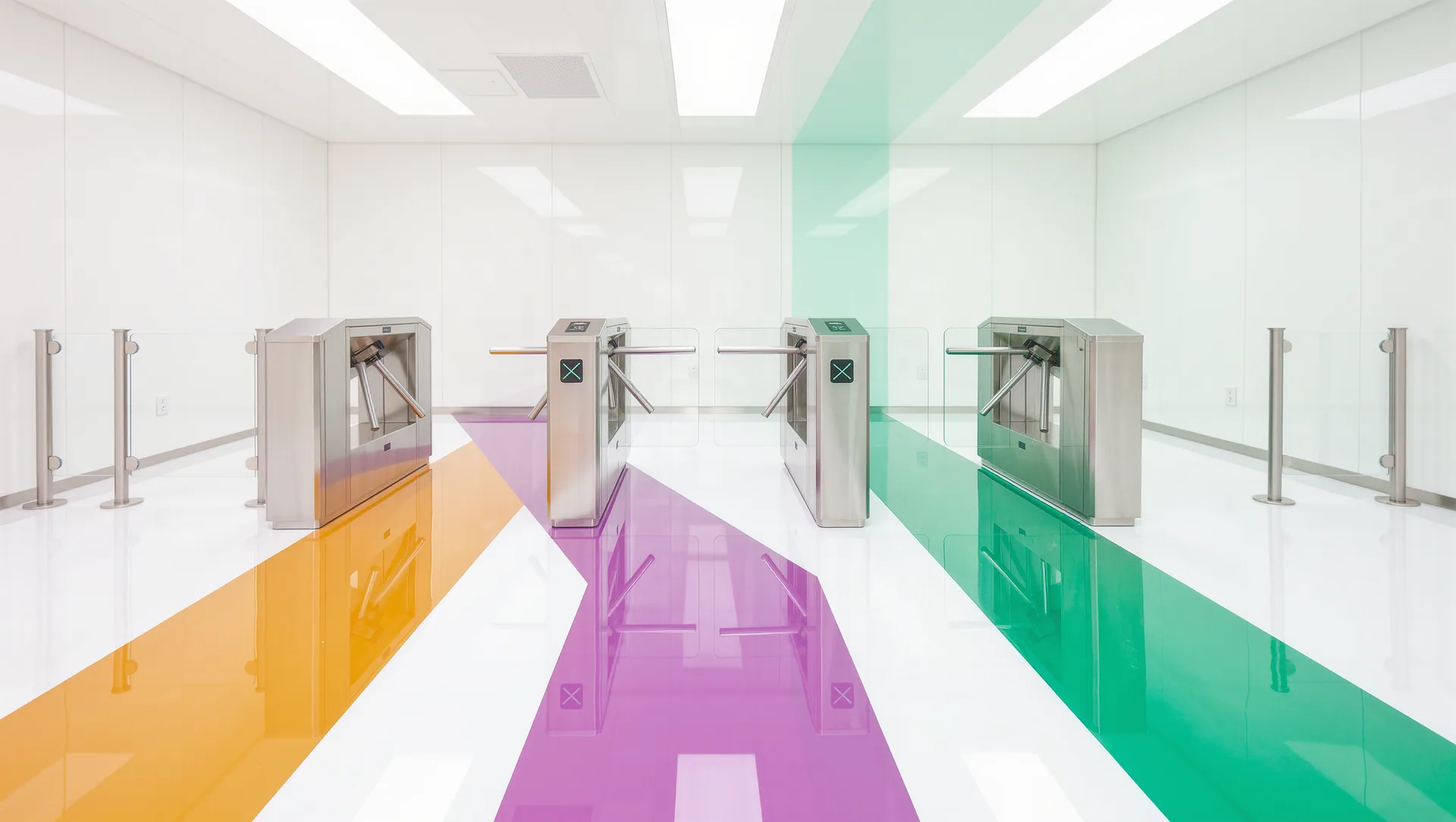
Custom automation systems are specialized technological solutions designed to address the specific operational requirements of individual businesses. These systems integrate hardware and software components to automate manual processes, data handling, and workflow management across various business functions. Organizations implement custom automation to address operational inefficiencies that standard software packages cannot resolve.
Unlike commercial off-the-shelf solutions, custom automation systems are developed to match exact business processes, industry regulations, and organizational structures. This targeted approach enables companies to automate complex workflows that may involve multiple departments, legacy systems, or specialized equipment. The implementation of custom automation systems typically involves process analysis, system design, development, testing, and deployment phases.
Businesses must evaluate their current operations, identify automation opportunities, and determine the technical requirements before proceeding with system development. This assessment includes analyzing workflow bottlenecks, data integration needs, and return on investment projections.
Custom automation systems offer numerous advantages that can significantly impact a business's bottom line. One of the primary benefits is increased efficiency. By automating routine tasks, employees can dedicate their time to more strategic activities, ultimately enhancing productivity.
This shift not only improves workflow but also fosters a more engaged workforce, as employees can focus on tasks that require critical thinking and creativity. Another key benefit is the reduction of errors. Manual processes are prone to mistakes, which can lead to costly repercussions.
Custom automation minimizes human error by standardizing processes and ensuring consistency across operations. This reliability not only enhances quality but also builds trust with customers, as they receive consistent and accurate service or products.
Before diving into custom automation, it is crucial to assess your company's specific needs and goals. This could be anything from slow response times in customer service to bottlenecks in production lines.
Conducting a thorough analysis will help pinpoint where automation can have the most significant impact. Additionally, consider your long-term business objectives. Are you looking to scale operations, improve customer satisfaction, or reduce costs?
Aligning your automation strategy with these goals will ensure that the system you implement supports your overall vision. Engaging stakeholders from various departments can provide valuable insights into their pain points and expectations, leading to a more comprehensive understanding of your needs.
Selecting the right custom automation system is a critical step in the implementation process. Begin by researching different technologies available in the market. Look for solutions that offer flexibility and scalability, as your business needs may evolve over time.
It's essential to choose a system that can grow with your organization. Consulting with experts in automation can provide valuable guidance. They can help you evaluate various options based on your specific requirements and budget constraints.
Additionally, consider the user-friendliness of the system; a complex interface may hinder adoption among employees. Prioritize solutions that offer intuitive design and robust support resources to facilitate a smooth transition.
Once you've chosen a suitable custom automation system, the next step is designing and implementing it effectively. Collaborate with your technology team or external vendors to create a blueprint that outlines how the system will function within your organization. This design phase should include detailed specifications for workflows, data management, and user access.
Implementation requires careful planning and execution. Establish a timeline that includes milestones for each phase of the project. It's essential to communicate openly with all stakeholders throughout this process to ensure everyone is aligned and aware of their roles.
Testing the system in a controlled environment before full deployment can help identify any issues early on, allowing for adjustments before going live.
Integrating custom automation systems with existing infrastructure is crucial for seamless operations. Start by mapping out how the new system will interact with current software and hardware. This integration should facilitate data sharing and communication between systems, enhancing overall efficiency.
Consider using APIs (Application Programming Interfaces) to connect different platforms effectively. This approach allows for real-time data exchange and minimizes disruptions during the transition period. Additionally, ensure that your IT team is involved in this process to address any technical challenges that may arise during integration.
Training is a vital component of successfully implementing custom automation systems. Employees must feel confident using new technologies to maximize their benefits fully. Develop a comprehensive training program that includes hands-on sessions, tutorials, and ongoing support resources.
Encourage feedback during training sessions to identify areas where employees may struggle or require additional assistance. Providing continuous learning opportunities will help reinforce skills and keep your team updated on any system enhancements or updates.
Once your custom automation system is up and running, ongoing monitoring and maintenance are essential for optimal performance. Regularly review system metrics to identify any potential issues or areas for improvement. This proactive approach will help you address problems before they escalate into significant disruptions.
Establish a maintenance schedule that includes software updates, security checks, and performance evaluations. Keeping your system up-to-date ensures it remains efficient and secure against potential threats.
Evaluating the performance of your custom automation system is crucial for understanding its impact on your business operations. Set clear KPIs (Key Performance Indicators) that align with your initial goals for implementing automation. These metrics could include productivity rates, error reduction percentages, or customer satisfaction scores.
Regularly assess these KPIs to gauge the effectiveness of your system. If certain areas are underperforming, consider conducting further analysis to identify root causes and potential solutions. Continuous evaluation allows you to make informed decisions about future enhancements or adjustments needed for sustained success.
As technology evolves, so too should your custom automation systems. Staying current with industry trends and advancements will ensure your business remains competitive. Regularly assess whether your existing system meets your current needs or if upgrades are necessary. Adapting your automation strategy in response to changing market conditions will position your business for long-term success.
Examining case studies of successful custom automation implementations can provide valuable insights into best practices and potential pitfalls. For instance, a manufacturing company may have streamlined its production line through automation, resulting in reduced lead times and increased output. Another example could be a retail business that implemented an automated inventory management system, leading to improved stock accuracy and reduced carrying costs.
These real-world examples highlight how tailored solutions can address specific challenges while delivering measurable results. In conclusion, custom automation systems represent a transformative opportunity for businesses looking to enhance efficiency and productivity. By understanding their benefits, assessing needs, choosing the right solutions, and implementing them effectively, organizations can unlock significant value from their operations.
As technology continues to evolve, staying adaptable will ensure that businesses remain competitive in an ever-changing landscape. If you're ready to explore how custom automation systems can benefit your organization, contact us today for a consultation! Our team of experts is here to guide you through every step of the process, ensuring you achieve optimal results tailored to your unique needs.
Unlike commercial off-the-shelf solutions, custom automation systems are developed to match exact business processes, industry regulations, and organizational structures. This targeted approach enables companies to automate complex workflows that may involve multiple departments, legacy systems, or specialized equipment. The implementation of custom automation systems typically involves process analysis, system design, development, testing, and deployment phases.
Businesses must evaluate their current operations, identify automation opportunities, and determine the technical requirements before proceeding with system development. This assessment includes analyzing workflow bottlenecks, data integration needs, and return on investment projections.
Key Takeaways
- Custom automation systems are tailored solutions designed to meet specific business needs and improve operational efficiency.
- Assessing company goals and requirements is crucial before selecting and designing an automation system.
- Effective integration with existing systems and thorough team training ensure smooth implementation and adoption.
- Continuous monitoring, maintenance, and performance evaluation help sustain and enhance automation benefits.
- Real-world case studies demonstrate the positive impact and adaptability of custom automation in various industries.
Understanding the Benefits of Custom Automation
Custom automation systems offer numerous advantages that can significantly impact a business's bottom line. One of the primary benefits is increased efficiency. By automating routine tasks, employees can dedicate their time to more strategic activities, ultimately enhancing productivity.
This shift not only improves workflow but also fosters a more engaged workforce, as employees can focus on tasks that require critical thinking and creativity. Another key benefit is the reduction of errors. Manual processes are prone to mistakes, which can lead to costly repercussions.
Custom automation minimizes human error by standardizing processes and ensuring consistency across operations. This reliability not only enhances quality but also builds trust with customers, as they receive consistent and accurate service or products.
Assessing Your Company's Needs and Goals
Before diving into custom automation, it is crucial to assess your company's specific needs and goals. This could be anything from slow response times in customer service to bottlenecks in production lines.
Conducting a thorough analysis will help pinpoint where automation can have the most significant impact. Additionally, consider your long-term business objectives. Are you looking to scale operations, improve customer satisfaction, or reduce costs?
Aligning your automation strategy with these goals will ensure that the system you implement supports your overall vision. Engaging stakeholders from various departments can provide valuable insights into their pain points and expectations, leading to a more comprehensive understanding of your needs.
Choosing the Right Custom Automation System for Your Business
Selecting the right custom automation system is a critical step in the implementation process. Begin by researching different technologies available in the market. Look for solutions that offer flexibility and scalability, as your business needs may evolve over time.
It's essential to choose a system that can grow with your organization. Consulting with experts in automation can provide valuable guidance. They can help you evaluate various options based on your specific requirements and budget constraints.
Additionally, consider the user-friendliness of the system; a complex interface may hinder adoption among employees. Prioritize solutions that offer intuitive design and robust support resources to facilitate a smooth transition.
Designing and Implementing a Custom Automation System
Once you've chosen a suitable custom automation system, the next step is designing and implementing it effectively. Collaborate with your technology team or external vendors to create a blueprint that outlines how the system will function within your organization. This design phase should include detailed specifications for workflows, data management, and user access.
Implementation requires careful planning and execution. Establish a timeline that includes milestones for each phase of the project. It's essential to communicate openly with all stakeholders throughout this process to ensure everyone is aligned and aware of their roles.
Testing the system in a controlled environment before full deployment can help identify any issues early on, allowing for adjustments before going live.
Integrating Custom Automation with Existing Systems
Integrating custom automation systems with existing infrastructure is crucial for seamless operations. Start by mapping out how the new system will interact with current software and hardware. This integration should facilitate data sharing and communication between systems, enhancing overall efficiency.
Consider using APIs (Application Programming Interfaces) to connect different platforms effectively. This approach allows for real-time data exchange and minimizes disruptions during the transition period. Additionally, ensure that your IT team is involved in this process to address any technical challenges that may arise during integration.
Training Your Team to Use Custom Automation Systems
Training is a vital component of successfully implementing custom automation systems. Employees must feel confident using new technologies to maximize their benefits fully. Develop a comprehensive training program that includes hands-on sessions, tutorials, and ongoing support resources.
Encourage feedback during training sessions to identify areas where employees may struggle or require additional assistance. Providing continuous learning opportunities will help reinforce skills and keep your team updated on any system enhancements or updates.
Monitoring and Maintaining Custom Automation Systems
Once your custom automation system is up and running, ongoing monitoring and maintenance are essential for optimal performance. Regularly review system metrics to identify any potential issues or areas for improvement. This proactive approach will help you address problems before they escalate into significant disruptions.
Establish a maintenance schedule that includes software updates, security checks, and performance evaluations. Keeping your system up-to-date ensures it remains efficient and secure against potential threats.
Evaluating the Performance and Efficiency of Custom Automation Systems
Evaluating the performance of your custom automation system is crucial for understanding its impact on your business operations. Set clear KPIs (Key Performance Indicators) that align with your initial goals for implementing automation. These metrics could include productivity rates, error reduction percentages, or customer satisfaction scores.
Regularly assess these KPIs to gauge the effectiveness of your system. If certain areas are underperforming, consider conducting further analysis to identify root causes and potential solutions. Continuous evaluation allows you to make informed decisions about future enhancements or adjustments needed for sustained success.
Adapting and Upgrading Custom Automation Systems
As technology evolves, so too should your custom automation systems. Staying current with industry trends and advancements will ensure your business remains competitive. Regularly assess whether your existing system meets your current needs or if upgrades are necessary. Adapting your automation strategy in response to changing market conditions will position your business for long-term success.
Case Studies: Successful Implementations of Custom Automation Systems
Examining case studies of successful custom automation implementations can provide valuable insights into best practices and potential pitfalls. For instance, a manufacturing company may have streamlined its production line through automation, resulting in reduced lead times and increased output. Another example could be a retail business that implemented an automated inventory management system, leading to improved stock accuracy and reduced carrying costs.
These real-world examples highlight how tailored solutions can address specific challenges while delivering measurable results. In conclusion, custom automation systems represent a transformative opportunity for businesses looking to enhance efficiency and productivity. By understanding their benefits, assessing needs, choosing the right solutions, and implementing them effectively, organizations can unlock significant value from their operations.
As technology continues to evolve, staying adaptable will ensure that businesses remain competitive in an ever-changing landscape. If you're ready to explore how custom automation systems can benefit your organization, contact us today for a consultation! Our team of experts is here to guide you through every step of the process, ensuring you achieve optimal results tailored to your unique needs.
FAQs
What are custom automation systems?
Custom automation systems are tailored technological solutions designed to automate specific processes or tasks within a business or industry. These systems are built to meet unique operational requirements, improving efficiency, accuracy, and productivity.What industries use custom automation systems?
Custom automation systems are used across various industries including manufacturing, automotive, pharmaceuticals, food and beverage, logistics, and electronics. They help streamline production lines, quality control, packaging, and other repetitive or complex tasks.What are the benefits of custom automation systems?
Benefits include increased operational efficiency, reduced labor costs, improved product quality, enhanced safety, scalability, and the ability to integrate with existing systems. Custom solutions also allow businesses to address specific challenges that off-the-shelf products may not solve.How are custom automation systems developed?
Development typically involves analyzing the client’s processes, designing a system architecture, selecting appropriate hardware and software components, programming, testing, and implementation. Collaboration between engineers, software developers, and the client is essential throughout the process.What components are commonly used in custom automation systems?
Common components include programmable logic controllers (PLCs), sensors, actuators, human-machine interfaces (HMIs), robotics, conveyor systems, and software for control and data analysis.How long does it take to implement a custom automation system?
The timeline varies depending on the complexity and scope of the project. Small systems may take a few weeks, while large-scale implementations can take several months from design to full deployment.Can custom automation systems be integrated with existing equipment?
Yes, custom automation systems are often designed to integrate seamlessly with existing machinery and software to enhance functionality without requiring complete replacement of current assets.What maintenance is required for custom automation systems?
Regular maintenance includes software updates, hardware inspections, calibration of sensors and actuators, troubleshooting, and preventive measures to ensure optimal performance and longevity.Are custom automation systems scalable?
Yes, these systems can be designed with scalability in mind, allowing businesses to expand or modify automation capabilities as their needs evolve.What is the cost of implementing a custom automation system?
Costs vary widely based on system complexity, components used, and project scope. While initial investment may be significant, the return on investment often comes through increased efficiency and reduced operational costs over time.More in
More from Automation
Automation · 8 min
Maximizing Efficiency: The Power of Automation Scalability
Automation scalability refers to the ability of automated systems to grow and adapt in response to increasing demands without compromising performance…

Automation · 7 min
Streamlining Deployment with Automation
In the contemporary digital environment, optimizing deployment processes is essential. Organizations face significant pressure to rapidly deliver soft…
Automation · 8 min
Maximizing Automation ROI: A Strategic Approach
In today’s fast-paced business environment, understanding the importance of Automation ROI (Return on Investment) is crucial for organizations l…