
Warehouse Automation in Stages: What to Automate First
Not every warehouse needs robots on day one. The smartest projects climb a ladder, from clean data and better picking methods to conveyors, mobile robots and dense storage, one proven step at a time.

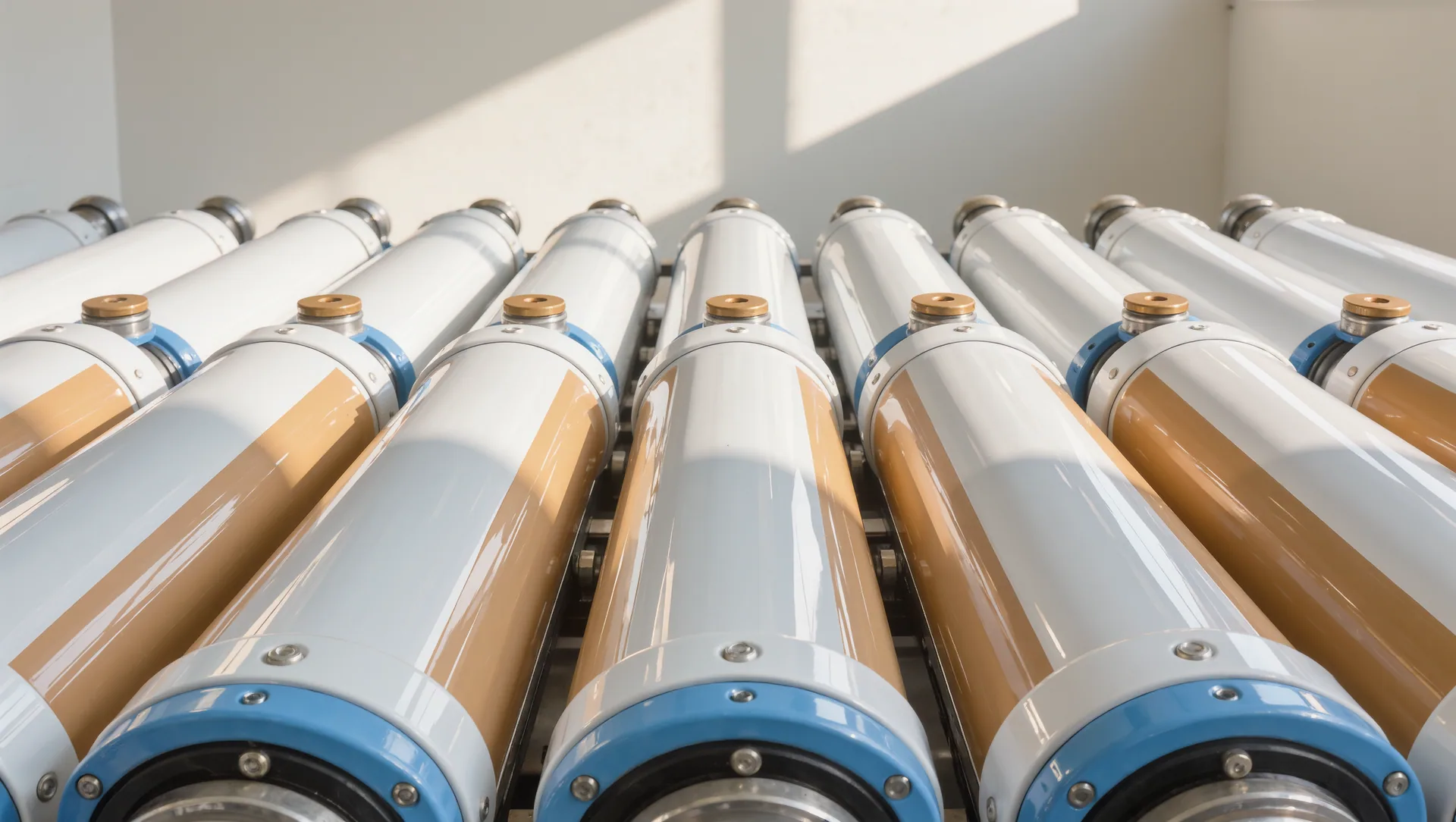
Pictures of the modern warehouse usually show the end state: shelves gliding to workers, robots shuttling through dark aisles, conveyors humming without a person in sight. For most operators, that picture is less useful than it looks. It skips over the dozens of decisions that lead there and the many warehouses for which it would be the wrong goal.
Automation in a warehouse is better understood as a ladder. Each rung solves a specific problem and depends on the ones below it. Skipping rungs is possible, but it is expensive, because machines amplify whatever process they are given, including a bad one.
This article walks up that ladder, explains what each stage is good for and where it tends to fail, and closes with what the future warehouse is likely to keep in human hands.
Rung one: data and software
The first stage involves no robots at all. A warehouse management system tracks every location, every stock movement and every order. Barcode or RFID scanning confirms each step. RFID uses radio tags that can be read without a direct line of sight. Without accurate data, every later machine works on wrong information. Cycle counting, where a few locations are checked every day instead of closing the building once a year for inventory, keeps the data honest.
Many warehouses find large gains at this stage alone. Clear slotting rules put fast-moving items close to packing stations. Batch picking lets one worker collect items for several orders in one walk. Pick-to-light and voice systems tell staff where to go and what to take, which cuts errors and shortens training for seasonal workers.
Rung two: moving goods without walking
In a manual warehouse, pickers spend much of their shift walking. The next stage attacks that walking. Conveyors and sorters carry cartons between zones and route finished orders to the right dock. They are efficient and reliable, but they are fixed in place and hard to change once installed.
Autonomous mobile robots, or AMRs, offer a more flexible route. They navigate with sensors and maps instead of tracks, so routes can be changed in software. Some carry totes alongside pickers, while others bring entire shelf units to a workstation. AMRs can often be added in phases and rented in larger numbers for peak season, which suits growing or changing businesses.
Rung three: dense automated storage
Automated storage and retrieval systems, known as AS/RS, store goods in tall, tightly packed structures and bring them to operators on demand. Shuttle systems, cube storage with robots on top and high-bay pallet cranes all fall into this group. They make the most of floor space and height, and they can run around the clock. Dense storage also shrinks the space that must be lit, heated or cooled, which matters in cold stores for food and medicines.
The price of that density is rigidity. These systems are a long-term commitment tied to the building, the product range and expected volumes. They reward operations with steady, high throughput and a predictable mix of items. They can struggle when a business changes its range, adds bulky products or sees volumes far outside the original design.
A warehouse should automate its best process, not its current confusion.
Choosing the next step
Which rung comes next depends less on the technology than on the operation. A few questions usually settle it.
- How strong are the peaks? Operations with sharp seasonal spikes need capacity that can grow and shrink, which favors flexible systems.
- How varied is the range? Thousands of small, similar items suit goods-to-person storage, while oversized or fragile goods often do not.
- How long is the lease? Fixed installations make little sense in a building the company may leave in a few years.
- How good is the data? If stock counts are often wrong, fix that before buying machines that rely on them.
- Who maintains it? Every automated system needs trained technicians and spare parts, either in house or through a service contract.
Costs follow the same logic. Software and scanning upgrades are the cheapest rung. Mobile robots sit in the middle and can be scaled step by step. Dense storage systems need the largest upfront investment and the longest payback period, but they can deliver the lowest cost per order when volumes stay high.
Changing the system without stopping the floor
Introducing automation in a working warehouse is like renovating a kitchen while still cooking in it. Orders keep coming, and customers do not care that a conveyor is being installed. Most operators phase the work: one zone or one product group at a time, often outside peak season, with the old process kept ready as a fallback.
Testing deserves more time than most plans allow. Simulation software can model order flows before any equipment arrives and show where queues will form. Once the system is installed, a period of parallel running, with staff checking the machine's output, catches problems before they reach customers.
The people on the floor are part of the design. Pickers and shift leaders know which items cause trouble, where aisles jam and how returns really flow. Involving them early improves the layout and makes the change easier to accept, especially when roles shift from walking and lifting to operating and supervising.
What stays human in the future warehouse
Robotic picking of single items is the frontier. Grabbing a soft bag, a shiny box and a loose cable from the same bin is still hard for machines, although AI vision has improved it a great deal. Many warehouses use robots for the bulk of simple items and keep people for the awkward ones.
Humans also handle exceptions: damaged goods, wrong deliveries, returns and customer requests that no rule anticipated. And they keep the machines running. As automation spreads, the warehouse workforce shifts toward technicians, supervisors and staff who resolve problems, which makes training part of every automation plan.
The future warehouse will be more automated than today's, but rarely fully automated. The operators that do best will be those that climbed the ladder deliberately, proved each step and kept enough flexibility to change course when their business does.
Questions and answers
What should a small warehouse automate first?
Usually the software and data layer: a warehouse management system, consistent scanning and better picking methods such as batch picking. These steps cost relatively little and improve accuracy quickly. They also produce the data needed to judge later investments in machines.
What is the difference between AGVs and AMRs?
Automated guided vehicles follow fixed paths, often marked by magnetic tape, wires or reflectors. Autonomous mobile robots navigate with sensors and maps and can steer around obstacles. AMRs are easier to reconfigure, while AGVs suit simple, repeated routes.
Can automation handle seasonal peaks?
Yes, if it is designed for them. Flexible systems such as mobile robots can be added or rented for busy periods, while fixed systems must be sized for the peak or supported by manual work. Many warehouses combine automated capacity for the base load with extra staff at peak times.
Does warehouse automation eliminate jobs?
It reduces walking, lifting and repetitive scanning, but it creates demand for technicians, system operators and staff who handle exceptions. The total effect depends on growth and on how the company retrains its workforce. Few warehouses run without people.
How long does it take for warehouse automation to pay off?
There is no single answer, because payback depends on volumes, labor costs, the system chosen and how well it is used. Software and process improvements often pay off fastest. Large fixed installations take longer and depend on volumes staying high for many years.
More from Automation
All 142 stories
Automation5 min read
Automation Best Practices for Small Teams Without an IT Department
A ten-person office can automate reminders, invoices and follow-ups with tools it already pays for. The habits that keep those workflows safe look different from those…
Automation5 min read
BPM Automation: Most of the Delay Sits Between the Tasks
In a process that crosses departments, each step may take minutes while the whole case takes weeks. BPM automation pays off by managing the handoffs, queues and…

Automation4 min read
Human in the Loop: Designing AI Automation That People Can Correct
Most AI automation still needs people to check, approve or fix its work. How that human role is designed decides whether it adds safety or only adds a rubber stamp.