
AI Image or Real Photo: Where Generated Pictures Belong
Image generators turn a sentence into a polished picture in seconds. The harder question is when a generated image helps a reader and when it quietly misleads one.

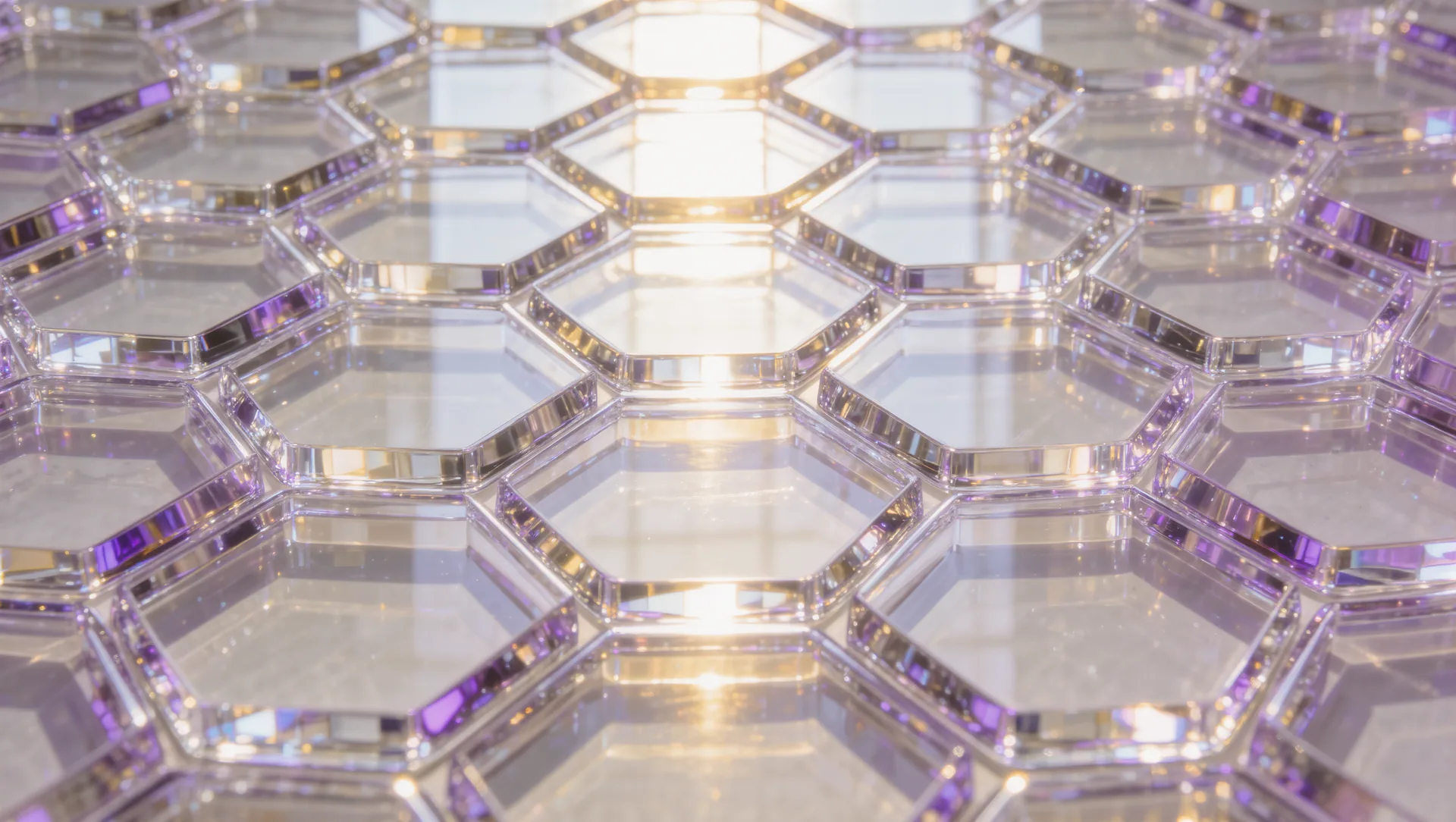
A photograph used to carry an assumption: someone pointed a camera at something that existed. Illustrations and photo montages always broke that rule, but readers could usually tell the difference. Image generators blur it. A short text prompt now yields a picture that looks like a photograph of a place that does not exist, taken at a moment that never happened.
For people who make content, this is both useful and risky. Generated images are fast and cheap, and they can show ideas that no camera could capture. They can also suggest facts that are false. The question is no longer whether these tools produce good-looking images. It is where a generated image belongs and where it does not.
This article draws that line. It explains briefly how the models work, then sorts common uses into those that fit well, those that mislead and those that need extra care.
How the pictures are made
Most current image generators use a method called diffusion. During training, the model sees a vast number of images paired with descriptions. It learns to remove noise from an image step by step, guided by the text. To create a new picture, it starts from random noise and refines it until the result fits the prompt.
This explains much of the behavior people notice. The model does not look anything up. It produces what usually appears together with the words in the prompt. A request for a harbor at dawn gives a convincing harbor, but not any particular one. A request for a specific product gives something that resembles it, often with wrong details.
Earlier models struggled with hands, lettering and counting objects. Newer ones have improved on all three, yet errors still appear, especially in crowded scenes and small print. Anything that must be exact should be checked at full size.
Where generated images work well
The safest uses are those where nobody expects the image to be a record of reality. In these cases, a generated picture is simply another form of illustration.
- Mood boards and early concepts, where a team explores colors, settings and styles before a shoot or a design.
- Illustrations for abstract topics, such as data privacy or market cycles, which have no natural photograph.
- Background textures, patterns and decorative elements that support a layout.
- Storyboards and rough visual drafts for videos or campaigns.
- Variations on an approved design, made to test which direction works better.
In each case, the image serves an idea rather than a claim. A reader who later learns that it was generated has no reason to feel misled.
Where they mislead
The trouble starts when a generated image stands in for something that exists. A product shot that does not show the real product, a hotel room that does not match the booking or a team photo of people who are not on the team all create false expectations. Even if the text is accurate, the picture says otherwise.
News and documentary contexts are the most sensitive. A realistic picture of an event, a politician or a disaster can travel far beyond its original page and lose any label along the way. Many newsrooms therefore rule out photorealistic generated images for news altogether, or allow them only as clearly marked illustrations.
A generated image is a good answer to the question of what an idea could look like. It is a bad answer to the question of what something did look like.
The practical problems in daily use
Beyond honesty, there are workflow limits. Keeping a character, a product or a visual style consistent across a series is hard, because each image is generated afresh. Brand colors drift. Logos come out slightly wrong. Text inside an image may contain spelling errors that are easy to miss on a small screen.
Many teams end up treating generated images as raw material. A designer picks the best candidates, corrects details, adjusts colors to the brand palette and sets any text in a layout program rather than inside the image. That still saves time compared with commissioning every illustration. It is not, however, the one-click process that demos suggest.
Most of the cost hides in that review work. Subscription and computing fees are modest for occasional use. The real expense is the time spent sorting through dozens of options and fixing the one that comes closest.
Rights, labeling and trust
The legal side is still moving. In several countries, copyright offices and courts have indicated that protection depends on human creative input. That may leave purely generated images with little or no protection. Separate disputes concern how training data was collected. None of this is settled everywhere, and the details differ by jurisdiction.
Labeling rules are developing as well. Some platforms ask creators to mark synthetic images, and the EU AI Act includes disclosure duties for certain realistic synthetic content. Even where no rule applies, a short caption such as 'Illustration created with AI' costs little and protects credibility.
Prompts deserve care too. Asking for an image in the style of a living artist, or including a real person's likeness, raises questions of fairness and personal rights that go beyond copyright. The cautious approach is to avoid both unless permission is clear.
A simple house rule
Content teams that use image generators well tend to work with one short rule. Generated pictures may illustrate ideas, but they may not document facts. Products, places, people and events are shown with real photographs or clearly marked graphics.
Around that rule, a few habits help. Keep a record of which images were generated. Review every image at full size before publication. Label generated images wherever readers could mistake them for photographs. As the tools improve, the temptation to blur the line will grow. A rule written down today makes the decision easier when that happens.
Questions and answers
Can I use an AI-generated image as a product photo?
It is risky. A generated image may show details the real product does not have, which can mislead customers and may raise consumer protection issues. Real photographs, or clearly labeled renderings based on actual product data, are the safer choice.
Do I own the images I generate?
That depends on the service's terms and on local law. In several jurisdictions, images made without meaningful human creative input may not qualify for copyright protection. For important uses, read the terms carefully and consider legal advice.
Do AI images need to be labeled?
Rules differ by country and platform, and they are still changing. Labeling is advisable wherever a reader could mistake a generated image for a photograph. A short caption is usually enough.
Why do generated images sometimes contain strange errors?
The model builds a picture from learned patterns rather than from a real scene. It can produce details that look plausible at a glance but make no sense on closer inspection, such as warped lettering or extra objects. Checking at full size catches most of these problems.
Will image generators replace photographers and illustrators?
They are taking over some routine work, such as simple stock-style images and early drafts. Assignments that require real places, people, products or a distinct artistic voice still need human creators. Many professionals now use the tools themselves for sketches and concepts.
More from AI
All 491 stories
AI5 min read
AI Workflow Automation: Let the Model Fill Steps, Not Pick Them
A model that drafts a reply inside a fixed process is not the same as a model that decides what happens next. Why most business workflows should keep the route fixed…
AI5 min read
Testing Every Transaction: What AI Changes for Financial Auditors
Auditors used to check samples because checking everything was impossible. Software can now scan entire ledgers. What full-population testing finds, what it misses and…
AI4 min read
Generative Design and AI Tools: More Variants, Same Hard Choices
AI tools can produce dozens of shapes for a bracket or a chair in the time it once took to sketch one. Defining the problem and picking the right answer remain the…